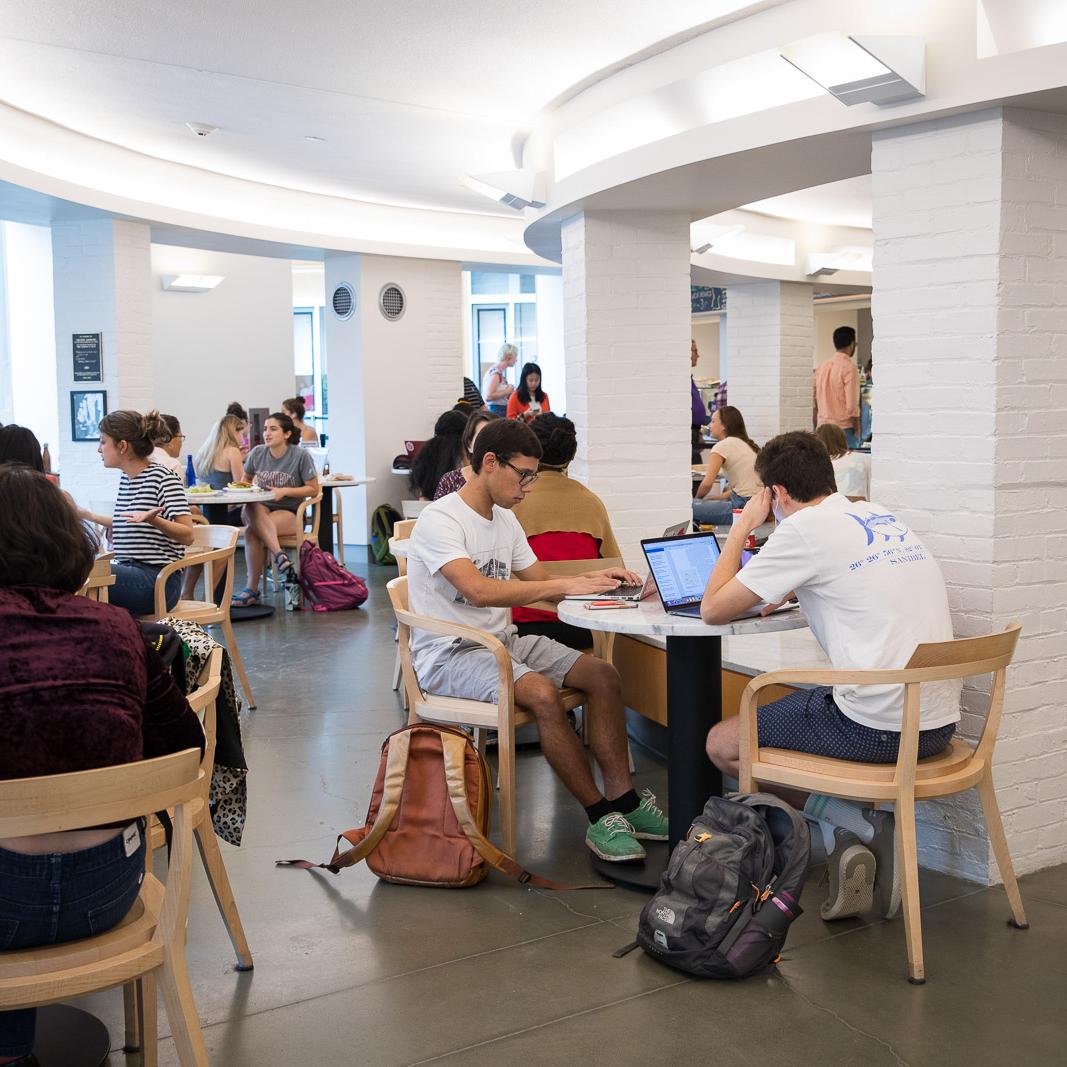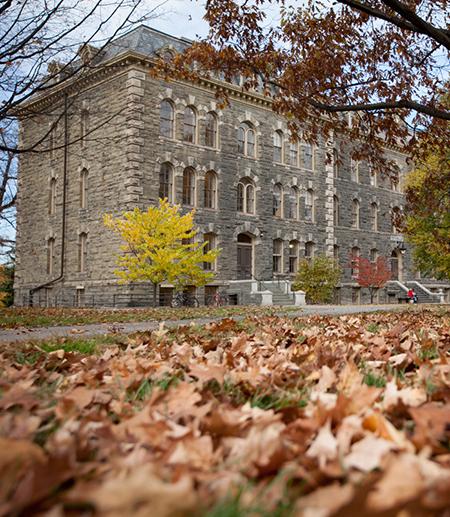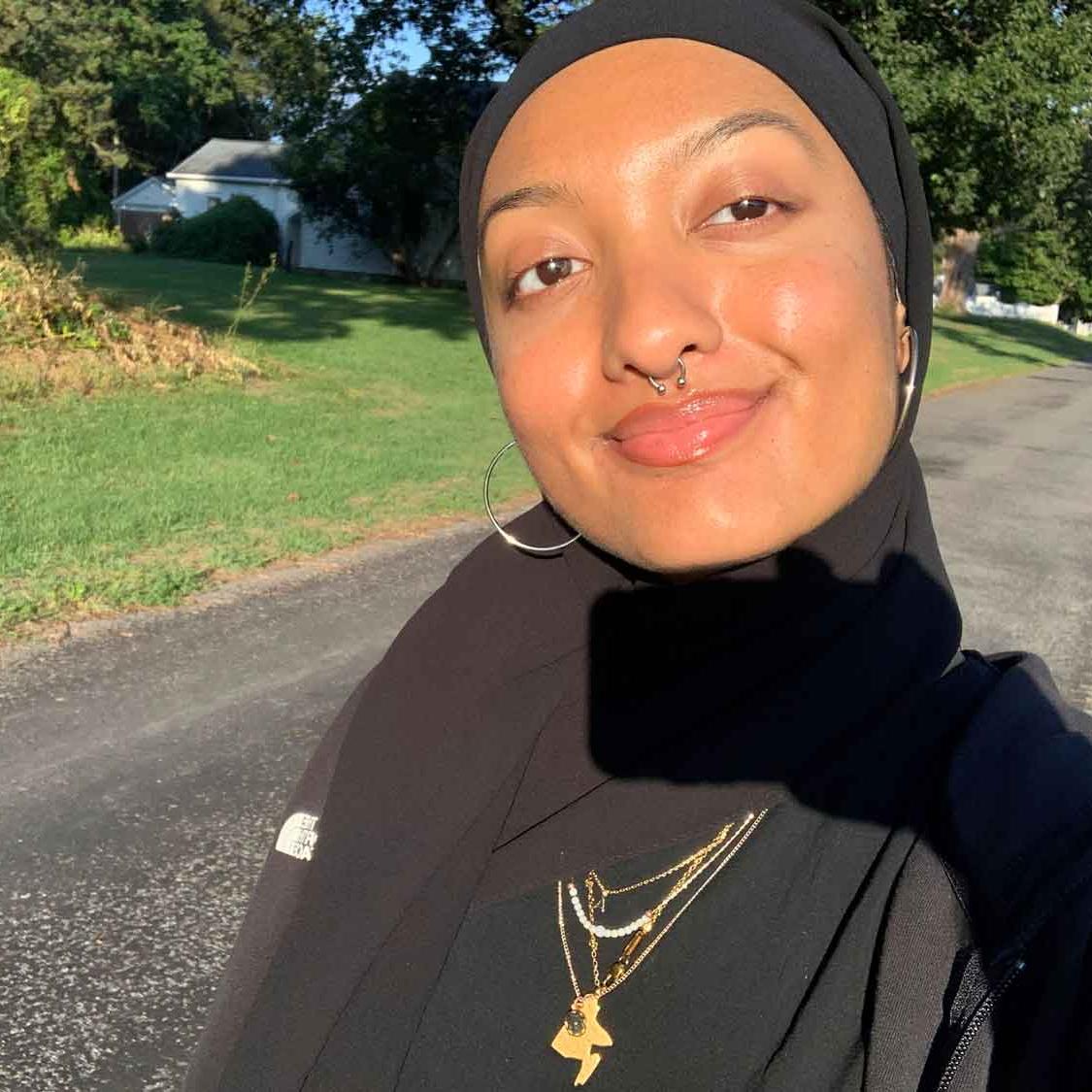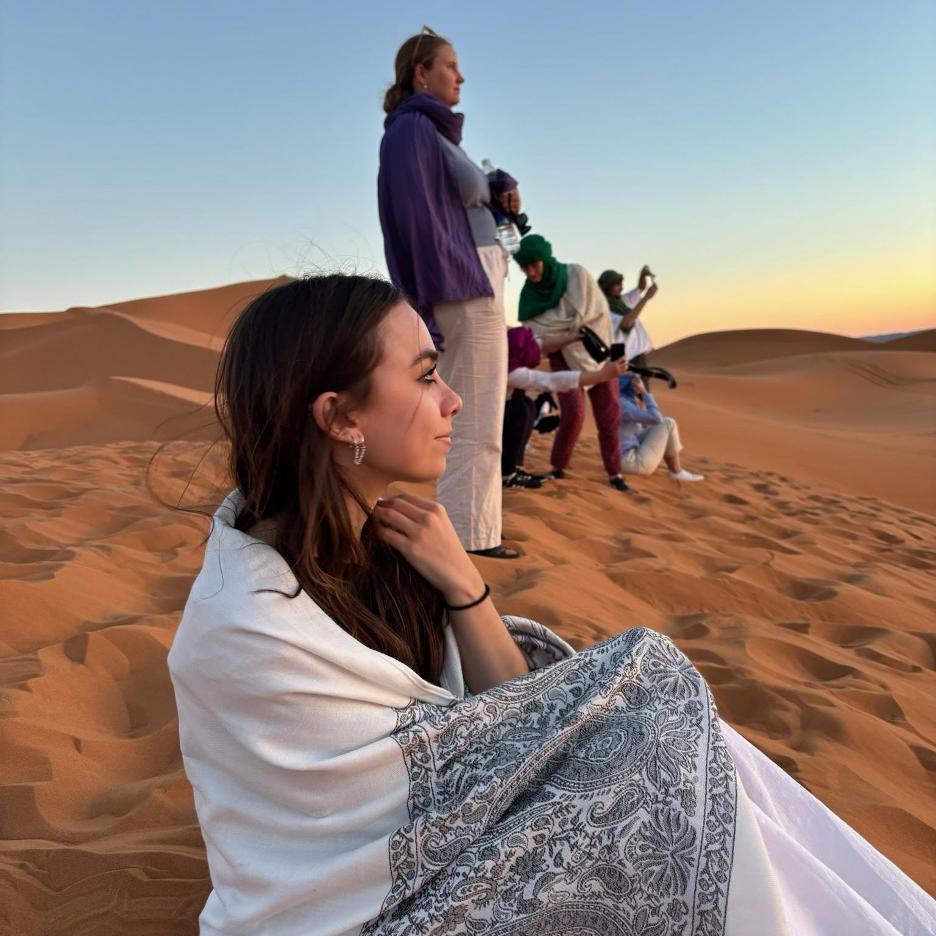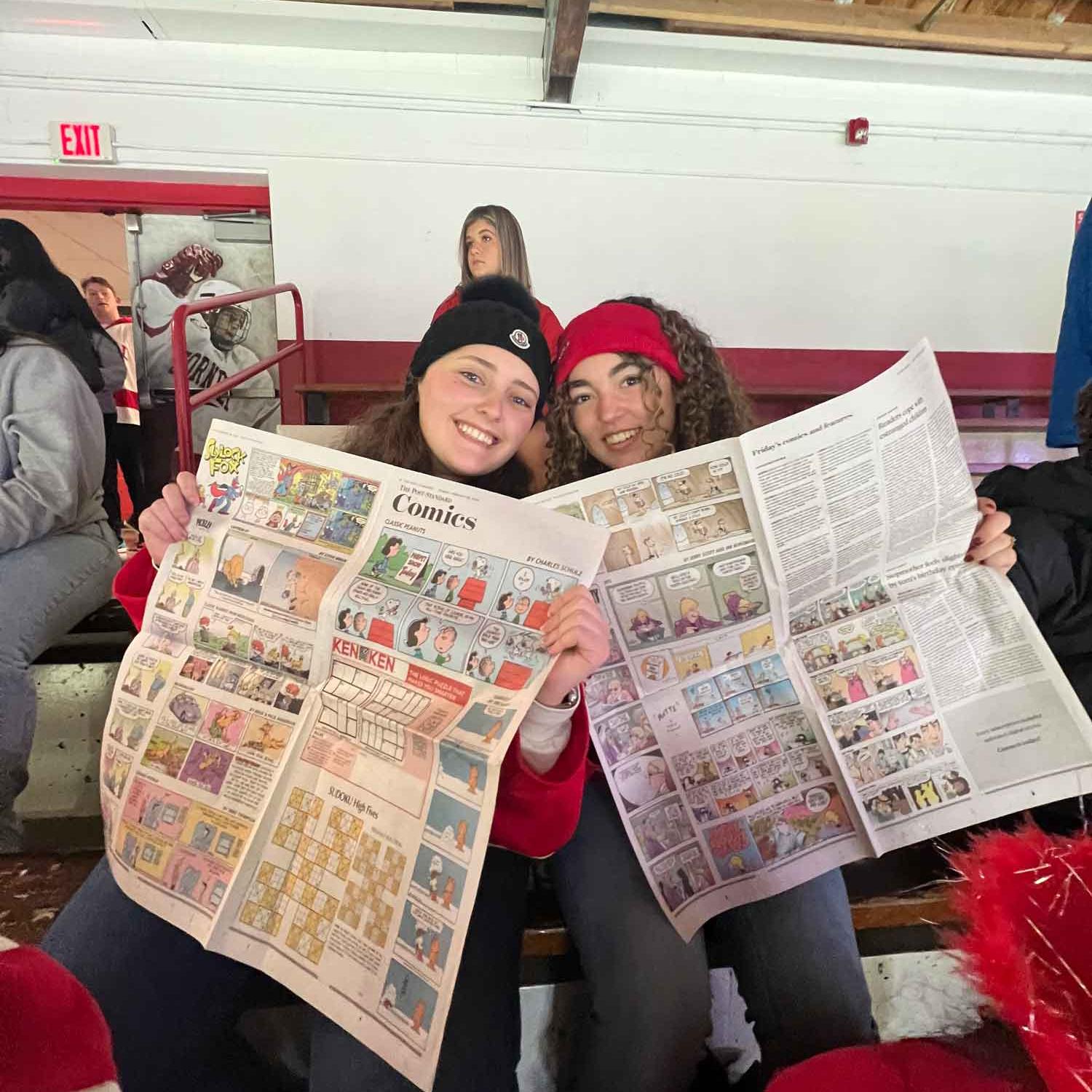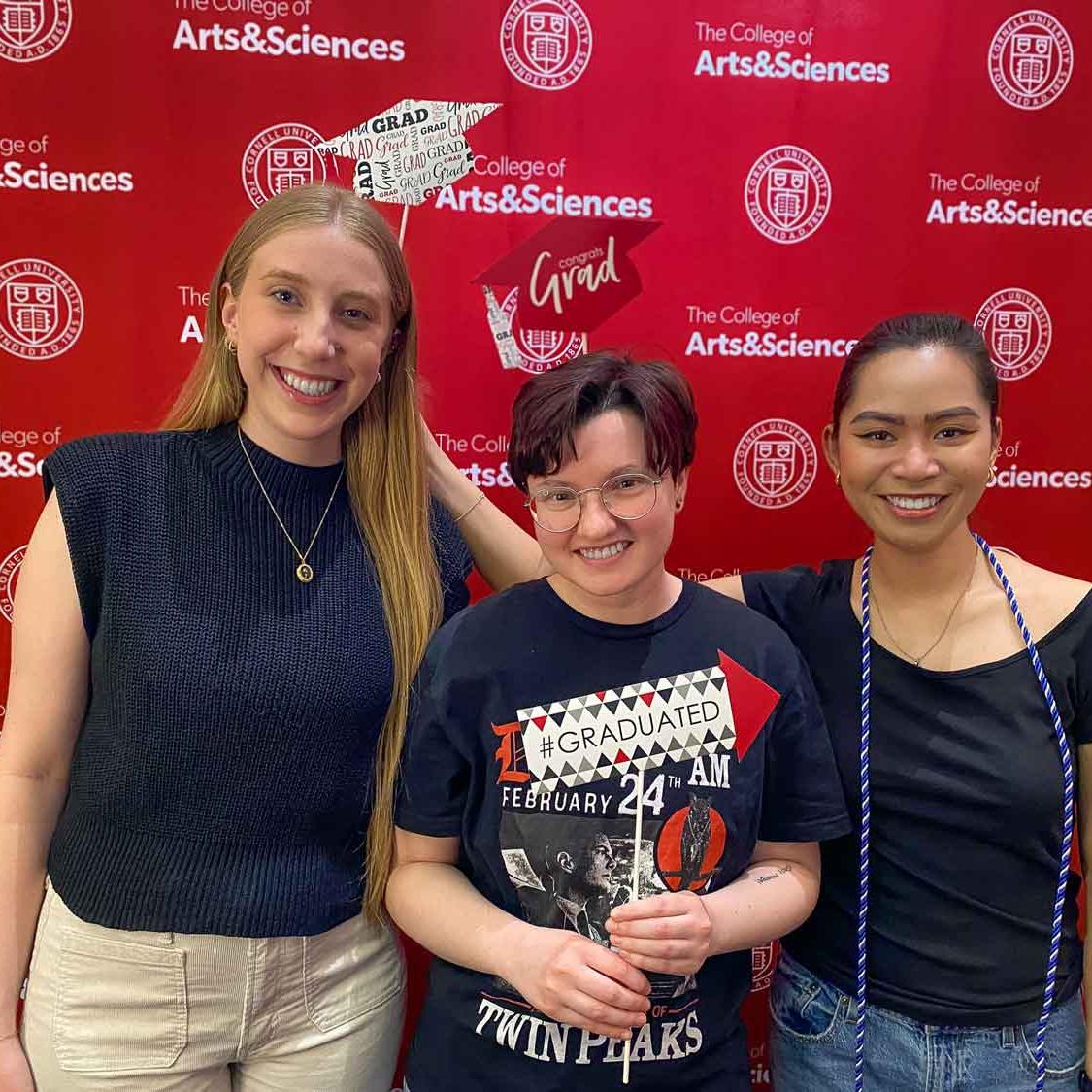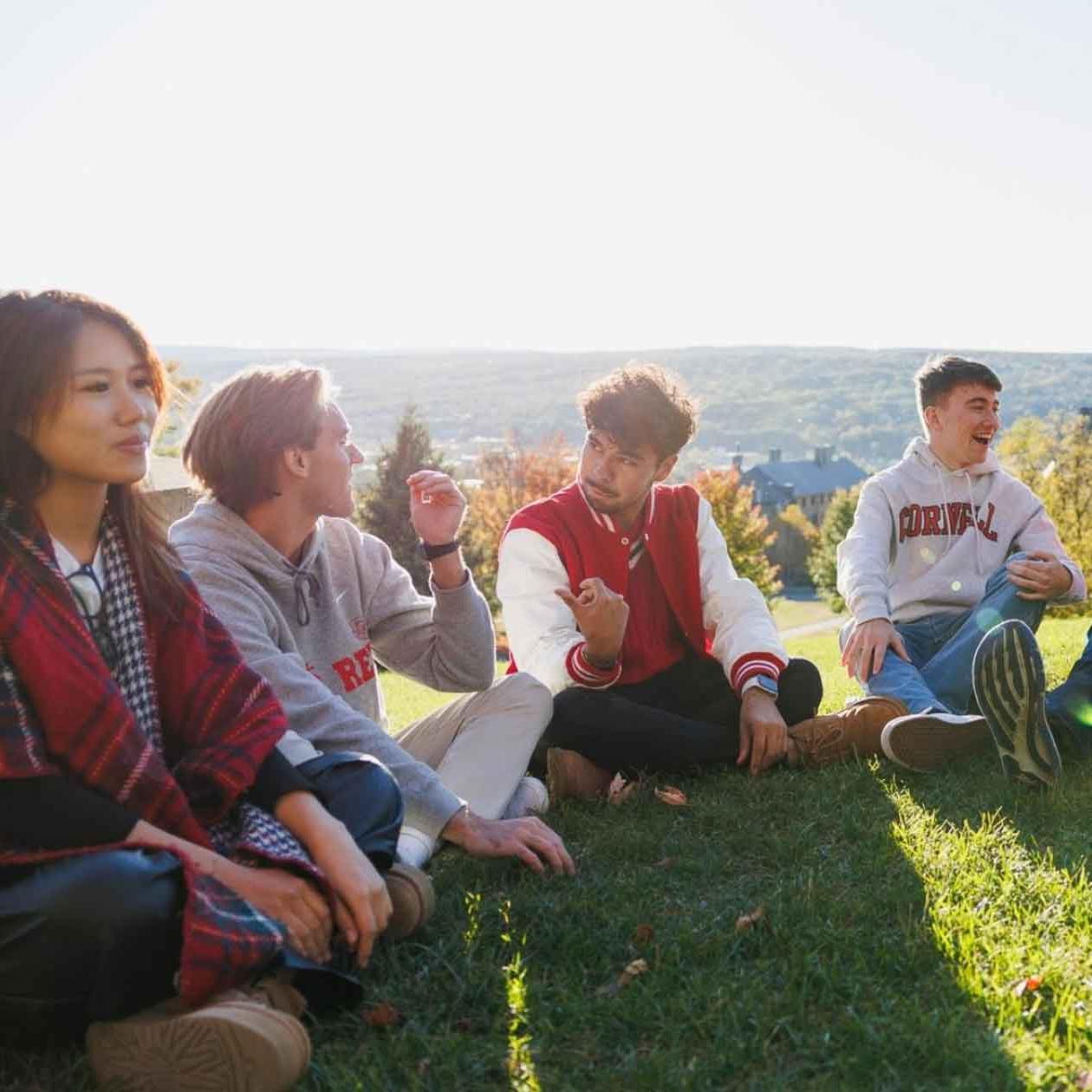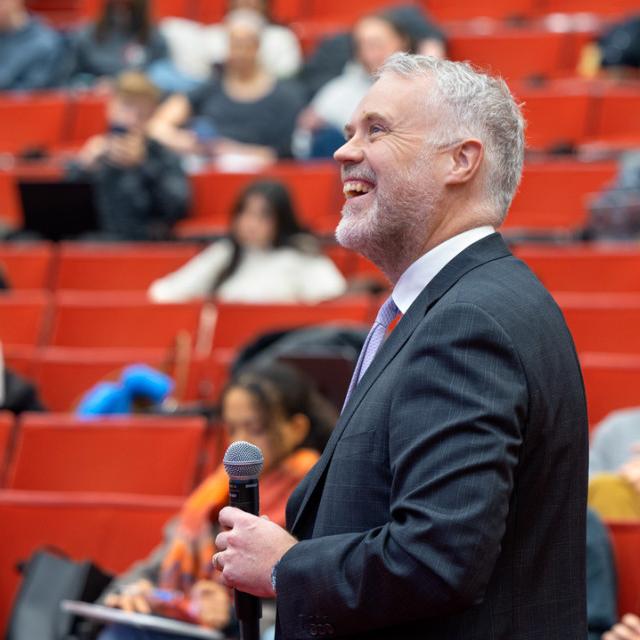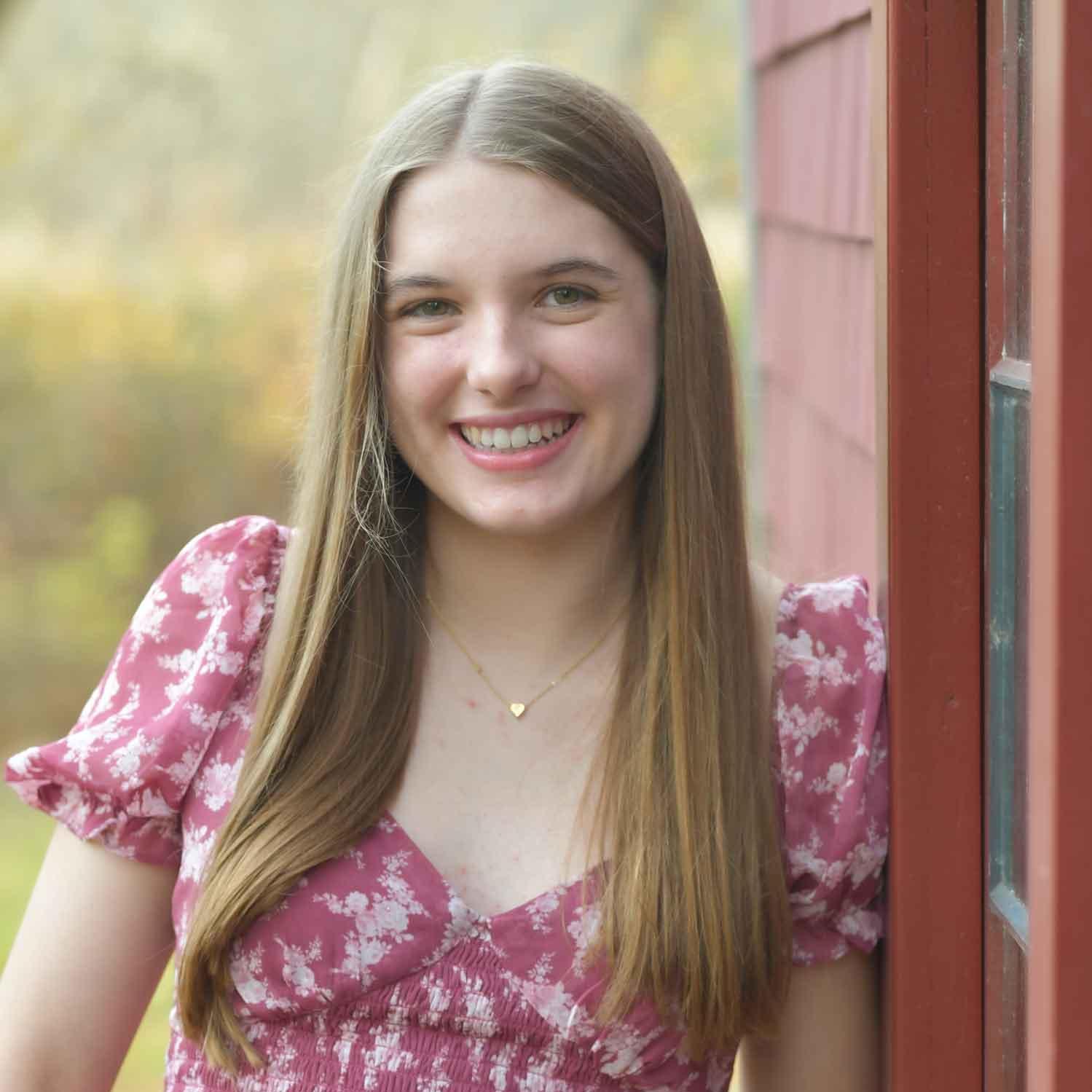
Cornell student and Arts & Sciences Ambassador Leah Condon talks about choosing to double-major in psychology as a result of taking a first-year writing seminar on female pain.
Provided
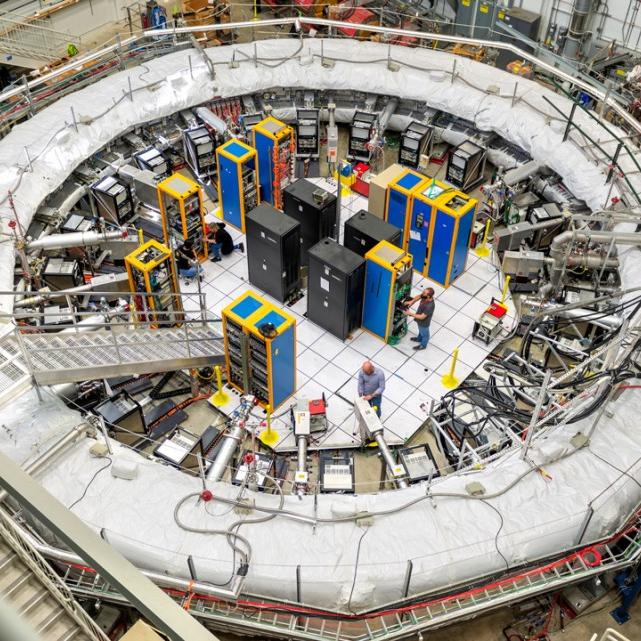
The muon g-2 ring sits in its detector hall amidst electronics racks, the muon beamline and other equipment at the Fermi National Accelerator Laboratory.
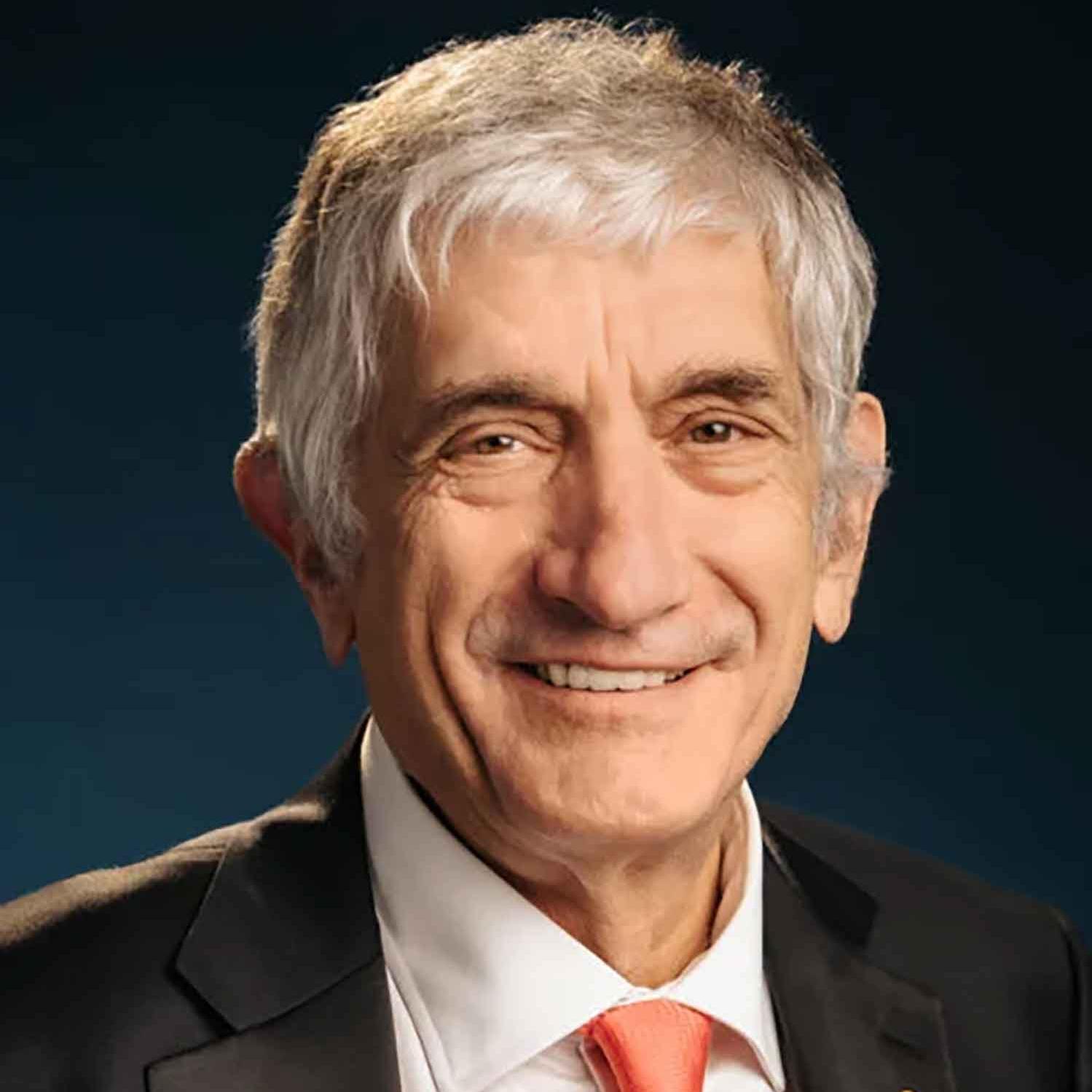
Lawrence Gibbons, professor of physics in Cornell's College of Arts and Sciences, is among muon g-2 researchers awarded the 2026 Breakthrough Prize in Fundamental Physics. Working with Fermilab, Gibbons led measurements of a particle called the muon with implications for understanding the subatomic world.
María Cristina García, professor of history and American studies in Cornell's College of Arts & Sciences, has received a Lifetime Achievement Award from the Immigration and Ethnic History Society. The award recognizes “her service to the Society and her outstanding scholarly contributions to the fields of immigration and ethnic history.”
In its April 2026 round-up of new books, the Cornellians website features titles by College of Arts and Sciences alumni, including a mystery novel, a book for kids about loss and a peek into the hidden lives of lab animals.
Harvard economist Edward L. Glaeser will deliver the Frank Knight Lecture in the Department of Economics at Cornell University May 4. The College of Arts & Sciences event examines cities, housing, and infrastructure.
Kate A. Manne, professor of philosophy in Cornell's College of Arts and Sciences, is one of two Cornell faculty members named 2026 fellows by the John Simon Guggenheim Memorial Foundation. Manne's research focuses on moral, feminist and social philosophy.
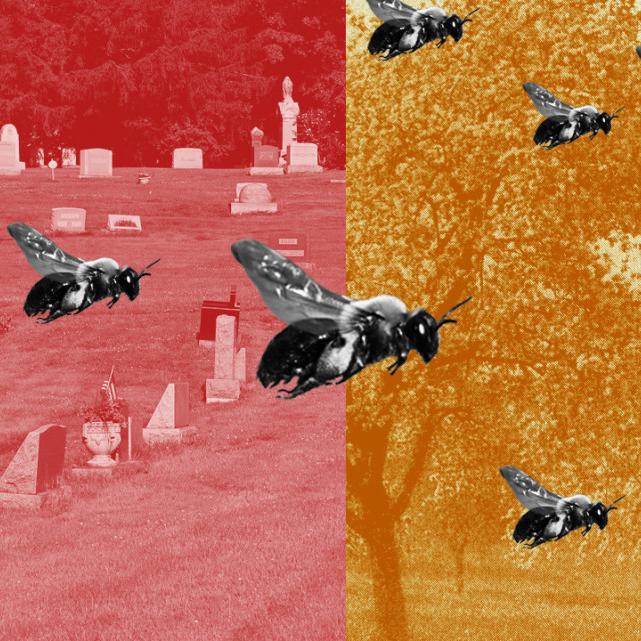
Research by Steve Hoge '24, an alumnus of Cornell's College of Arts and Sciences, reveals that a cemetery in Ithaca, New York is home to one of the largest and oldest recorded aggregations of ground nesting bees in the world with an estimated 5.5 million individual bees. The published April 13 in the journal Apidologie.
The College of Arts & Sciences at Cornell University will celebrate the 20-year anniversary of the Cornell Levinson Program in China and Asia-Pacific Studies – and a new faculty director for the program — at an April 24 symposium on the Ithaca campus.
Cornell University file photo
Annetta Alexandridis
Annetta Alexandridis, classical archaeologist and art historian in Cornell’s College of Arts and Sciences, died April 13. Known for her hands-on approach, she was associate director of the Harvard-Cornell Exploration of Ancient Sardis, Türkiye and co-curated the Cornell Plaster Cast Collection.
Nia Whitmal, a doctoral candidate in anthropology in Cornell’s College of Arts and Sciences, studies wealth accumulation strategies of Harlem’s Black property-owners and real estate agents. In an interview, Whitmal says a Zhu Family Graduate Fellowship benefits her work.
As ambassadors of Lebanon and Israel prepare to join U.S.- brokered negotiations in Washington, D.C., Averell Schmidt, professor of government in Cornell’s College of Arts and Sciences, says a key is that talks are even happening. The U.S. has a strong interest in brokering a ceasefire between Israel and Lebanon, she says.
College of Arts and Sciences researchers are on a Cornell team receiving a $250,000 seed grant for AI moonshot restoring trust online. Backed by the Laude Institute, the Cornell team could secure $10 million to build transparent, verifiable AI auditing tools for public discourse.
Provided
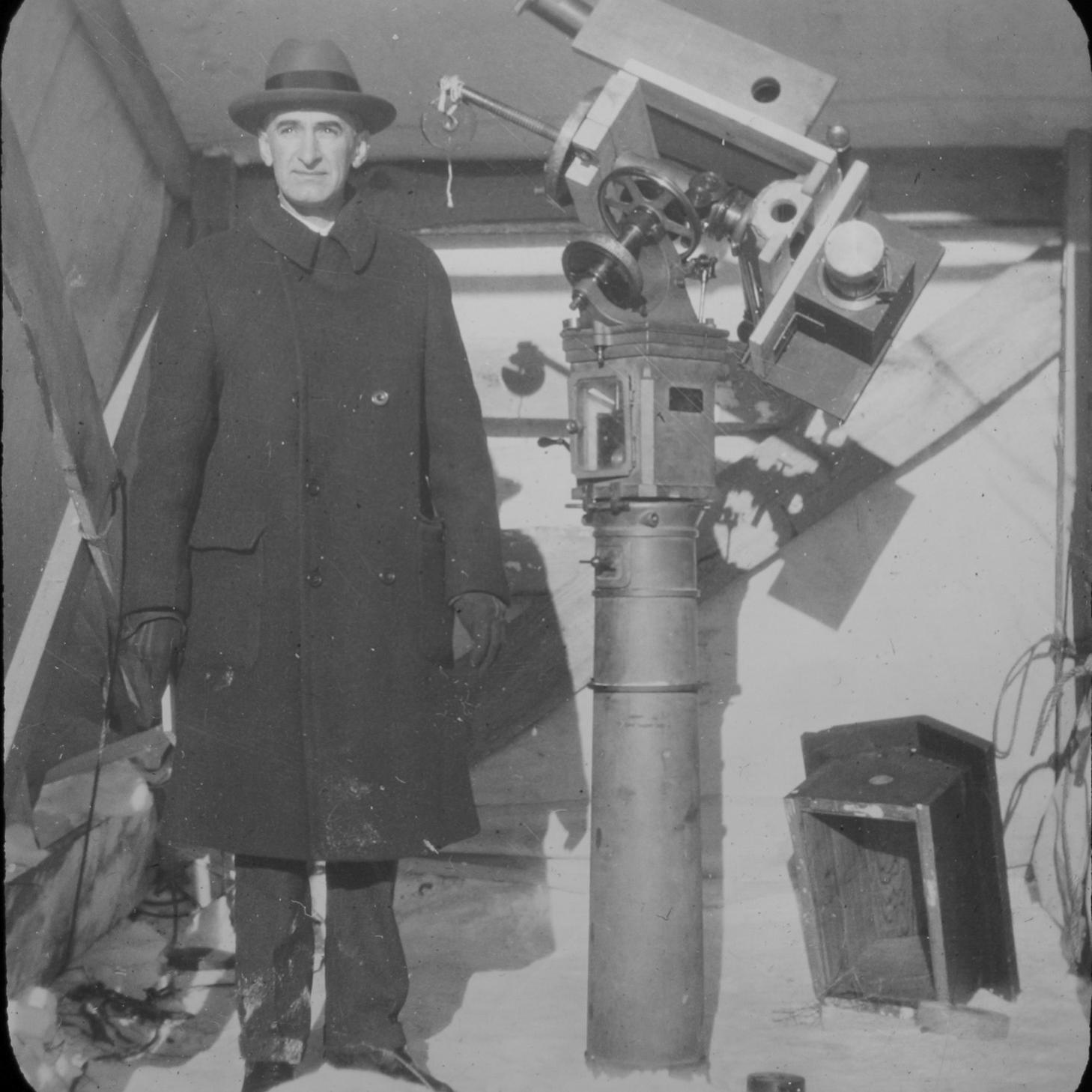
E.C. Slipher, an astronomer from the Lowell Observatory in Flagstaff, Ariz., visited Ithaca in 1925 to see the solar eclipse.
A new exhibit at Fuertes Observatory at Cornell University allows visitors to view 800 glass lantern slides uncovered and catalogued by the Cornell Astronomical Society.
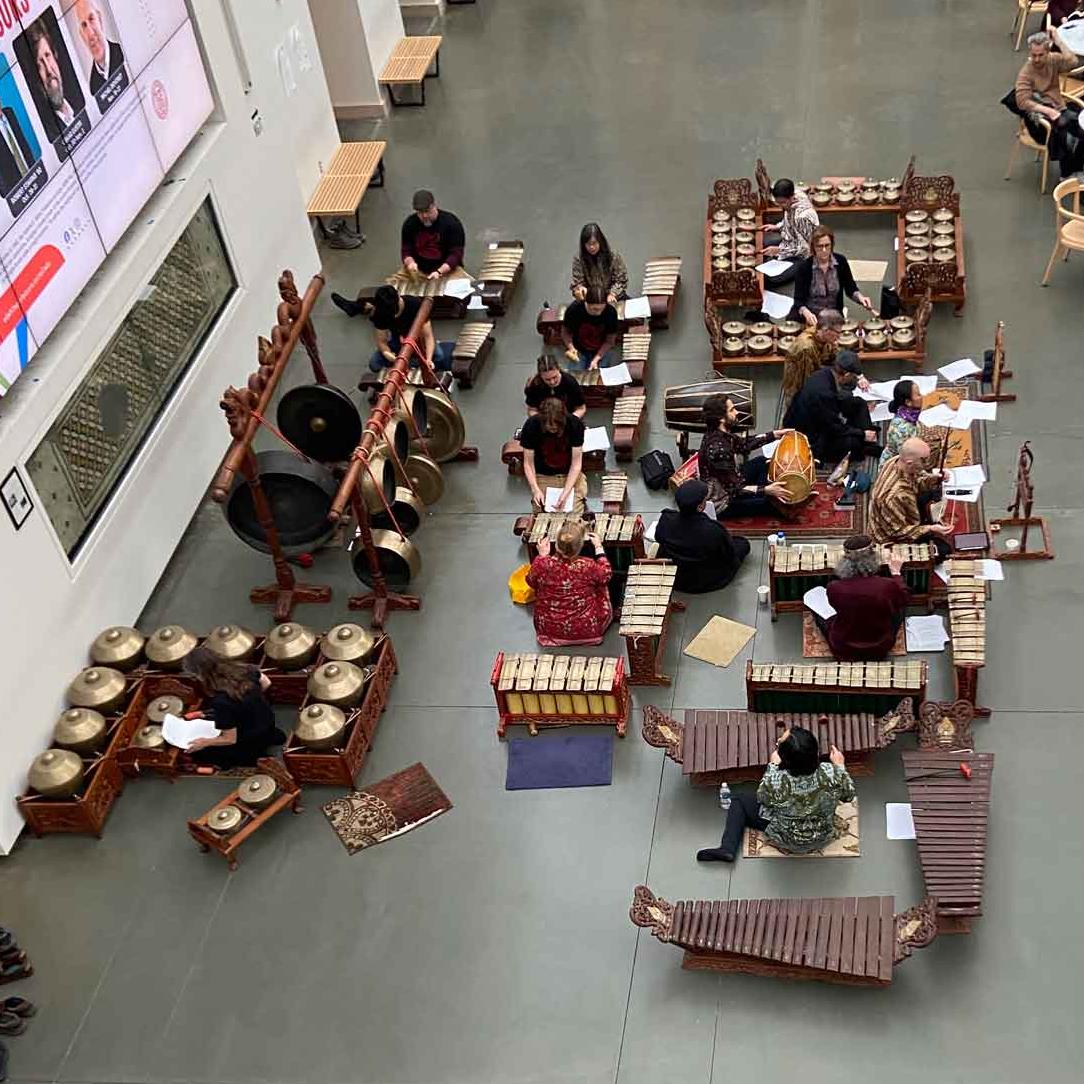
At Cornell University, Christopher J. Miller and Parkorn Wangpaiboonkit present Thai-inspired gamelan music in Klarman Hall’s Groos Family Atrium on April 26, marking Wangpaiboonkit’s arrival as assistant professor.
Faculty experts from Cornell's College of Arts and Sciences analyze how Donald Trump’s AI-generated Christ image and attacks on Pope Leo have escalated Vatican tensions and drawn criticism from Catholics and evangelicals. The controversy reveals fractures linking faith, politics, and conservative Christian identity.
Alexandra Bayer, Cornell University
The Fred Young Submillimeter Telescope on the summit of Cerro Chajnantor, Chile.
Cornell University celebrates April 9 inauguration of Fred Young Submillimeter Telescope in Chile. President Michael Kotlikoff marked milestone enabling wide-field submillimeter surveys to study dark energy, early universe conditions, and galaxy evolution.
As Taiwan opposition leader Cheng Li-wun visits China urging reconciliation, the U.S. and China dominate real cross-strait decisions, says Cornell University government scholar Allen Carlson. He calls the Kuomintang trip “political theater,” with Washington and Beijing holding Taiwan’s future.
Hungary’s growing rift with the EU, at issue in April 12 parliamentary elections, reflects Viktor Orbán’s strategy more than voter sentiment, says Cornell University government professor Bryn Rosenfeld. She says Hungarian Euroskepticism followed Orbán’s attacks on Brussels.
Provided
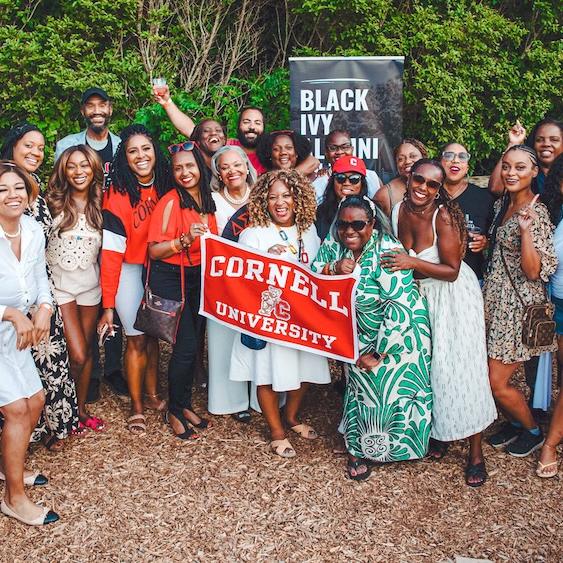
CBAA members at a Black Ivy event on Martha’s Vineyard in 2025.
An anniversary gala will mark the Cornell Black Alumni Association’s 50th anniversary April 24-26 in Washington, D.C. Hosted by alumni of Cornell University, the event honors leading alumni and launches a $1.5 million legacy fund.
Cornell University alumnus Fred Rubinstein ’52, LLB ’55 endowed a government professorship to strengthen civic engagement. The Susan August Rubinstein Professorship honors his late wife while supporting teaching and public participation in the College of Arts & Sciences.
An Earth Day lecture featuring sociologist Steven Yearley on climate policy will launch the Trevor Pinch Memorial Lecture Series on April 22. Hosted by Cornell University’s College of Arts & Sciences, the talk will examine carbon sinks and climate politics..
Cornell’s College of Arts & Sciences hosts a screening of the Oscar-nominated documentary “I Am Ready, Warden” on April 23, 5 p.m. The film’s co-producer, journalist Keri Blakinger ’14, and faculty experts will discuss death penalty impacts.
A Cornell University student reflects on a transformative Oxford semester abroad. Student Ambassador Sarah Mittleman, an English and psychology major in the College of Arts & Sciences, recounts Oxford tutorials, travel across 11 countries and advocates studying abroad.
Cornell University doctoral candidate Elexis Trinity Williams studies scuba diving’s impact on ocean knowledge and human futures. Backed by a Zhu Family Graduate Fellowship, their interdisciplinary dissertation in science and technology studies examines marine science and governance.
The first phase of Cornell University’s upcoming reaccreditation process with Middle States Commission on Higher Education is underway, with the naming of a steering committee that includes several College of Arts and Sciences faculty members and an invitation to the community to provide input.
Lance Cpl. Brendan Mullin/U.S. Marine Corps photo
Amphibious transport dock ship USS Somerset (LPD 25) with embarked 15th Marine Expeditionary Unit (MEU) transit the Strait of Hormuz in 2021
Trump's threats against Iranian infrastructure could backfire legally and strategically, experts warn. Cornell University historian David Silbey says attacking bridges and power plants would harm civilians and undermine U.S. objectives.
Provided
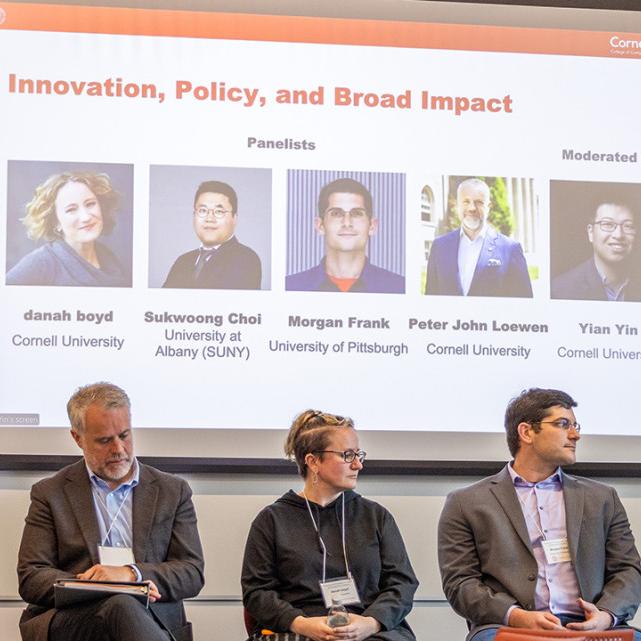
As part of the Assessing and Imagining the Impact of Generative AI on Science Symposium, Yian Yin, Peter Loewen, danah boyd, Morgan Frank and Sukwoong Choi (r-l) field questions on AI innovation and policy during a March 5 panel discussion.
A Cornell symposium examined generative AI’s impact on science, bringing experts together to debate productivity, governance, equity and public trust at Cornell University. The College of Arts & Sciences co-sponsored the event and college dean Peter Loewen participated.
Provided
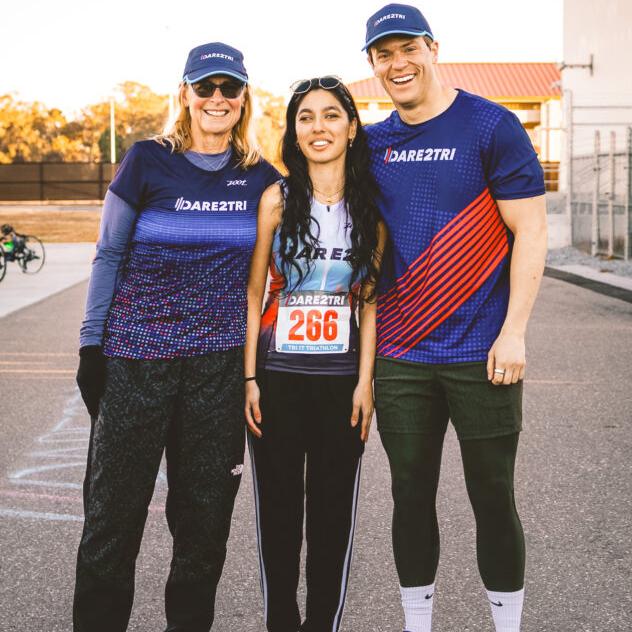
Big Red grads (from left) Christine Palmquist, Manahil Jafri, and Adam Wolford.
Cornell University alumni Adam Wolford '14, Christine Shaw Palmquist '87, and Manahil Jafri '25 crossed paths at a Dare2Tri adaptive triathlon camp in Tampa, Florida, where Wolford volunteered alongside athletes with physical disabilities. The personal essay, published April 2026 in Cornellians, reflects on the deeper purpose of sport after witnessing disabled athletes rediscover speed and competition through the nonprofit's swim, bike, and run programming.
Economist Kevin Corinth will give a talk, “Living Standards Across Generations: Are Younger Americans Falling Behind?” April 20 at 5:30 p.m. in 198 Statler Hall. Sponsored by Cornell University's Program on Freedom and Free Societies, Corinth will argue that the truth about living standards is nuanced.
Cornell University Arts & Sciences ambassador shares advice for freshmen adjusting to college life. The College of Arts & Sciences column emphasizes campus libraries, exploring majors, professor mentorship, community and balanced self-care.
Laila Milevski/Cornell University
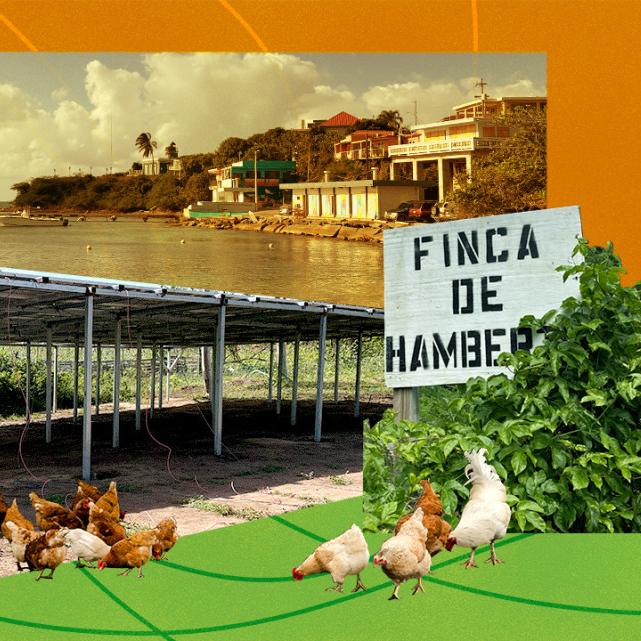
Finca de Hamberto, Edgar Oscar Ruiz's farm and resilience center on the island Vieques
A collaboration with Cornell is bringing relief to Vieques, a Puerto Rican island that still has unreliable power nine years after Hurricane Maria. A solar-powered battery that operates independently of the main island’s grid is the first installment of a project led by Héctor Abruña, chemistry professor in Cornell's College of Arts and Sciences – still to come is a green-hydrogen fuel cell system.
Kathy Hovis/College of Arts and Sciences
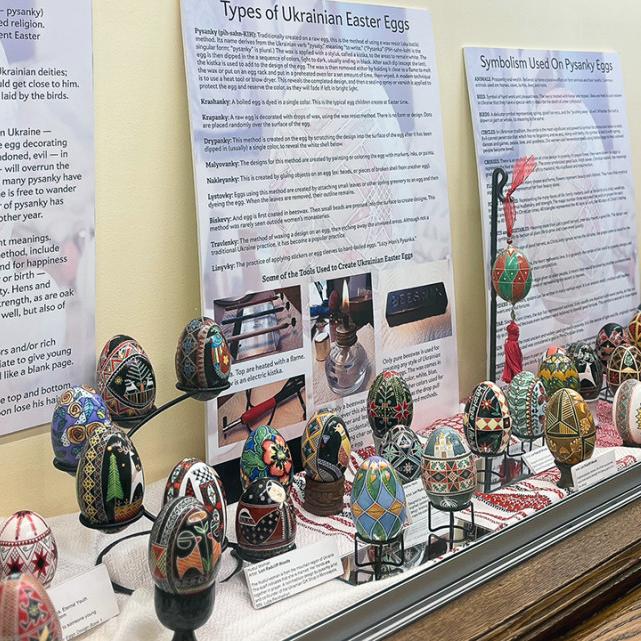
An exhibit of Ukrainian Easter eggs on display in Goldwin Smith Hall
Ukrainian Easter eggs, or pysanky, are on display in Goldwin Smith Hall in Cornell’s College of Arts and Sciences through the end of the spring 2026 semester. The exhibit, displaying work by staff member Lori Radcliff-Woods, is one of several new initiatives Cornell’s Ukrainian Program is undertaking to bring the culture, language and history of Ukraine to the Cornell community.
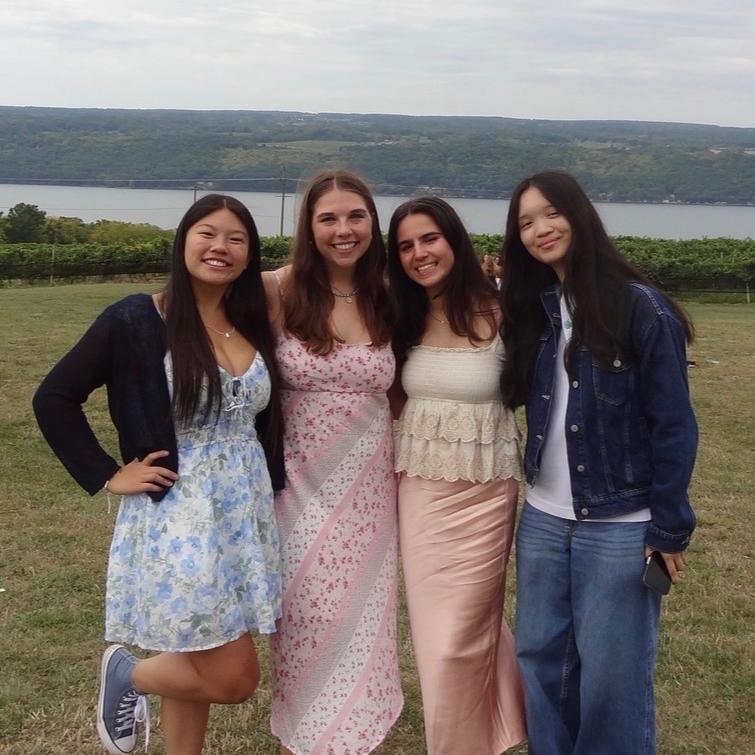
A Cornell University student reflects on finding community and belonging across campus networks, including the College of Arts & Sciences. The personal column highlights how overlapping student organizations, friendships, and shared experiences make a large university feel connected and welcoming.
Emotional posts rarely persuade online audiences, Cornell University research finds. Experiments by College of Arts & Sciences scholar Talbot Andrews and collaborators revealed that news and social media audiences view emotional climate change messages as inauthentic, even among allies.
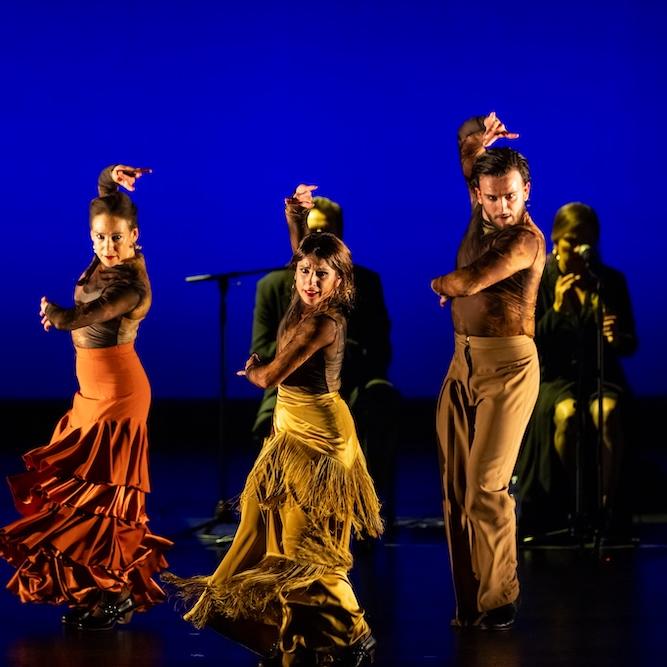
The Dallas Morse Coors Concert Series at Cornell University closes its 2025-26 season with renowned company Flamenco Vivo Carlota Santana at Bailey Hall during a performance on April 11 at 7:30 p.m. The event features QUINTO ELEMENTO (Fifth Element), a new work by dancer/choreographer Patricia Guerrero, featuring an original live score by Francis Gómez.
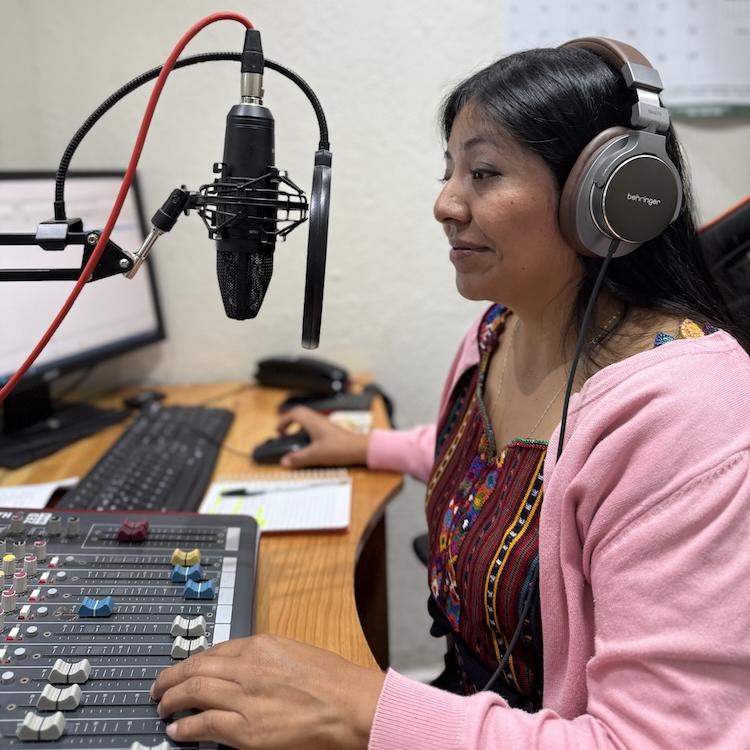
Cornell University will host “Indigenous Voices in Abiayala/Latin America,” on April 9 at 4:45 p.m., exploring Indigenous media self-representation in Latin America – known as Abiayala in the Guna language. Held in the in the A.D. White House and organized by Polly Lauer, a Klarman Postdoctoral Fellow in Romance studies in Cornell’s College of Arts and Sciences, the panel will feature scholars discussing Mapuche and Maya K’ishe’ cultural production, Indigenous languages and broadcasters’ fight to sustain native-language media such as Guatemala’s oldest Maya radio station.
Jonathan Zhu, J.D. ’92, whose A.D. White Fellowship allowed him to attend Cornell, has established the Zhu Family Graduate Fellowships supporting humanities doctoral students at Cornell University. Each of the three 2025 fellows – who are pursuing art history, anthropology, and science and technology studies, appreciates that the fellowship’s financial support paired with release from teaching responsibilities allows them the flexibility to pursue research questions as they arise.
Nobel Laureate physicist John M. Martinis will headline a quantum mechanics lecture April 8 at Cornell University. The talk launches the Cornell Undergraduate Research Board’s Frontiers of Discovery Lecture Series.
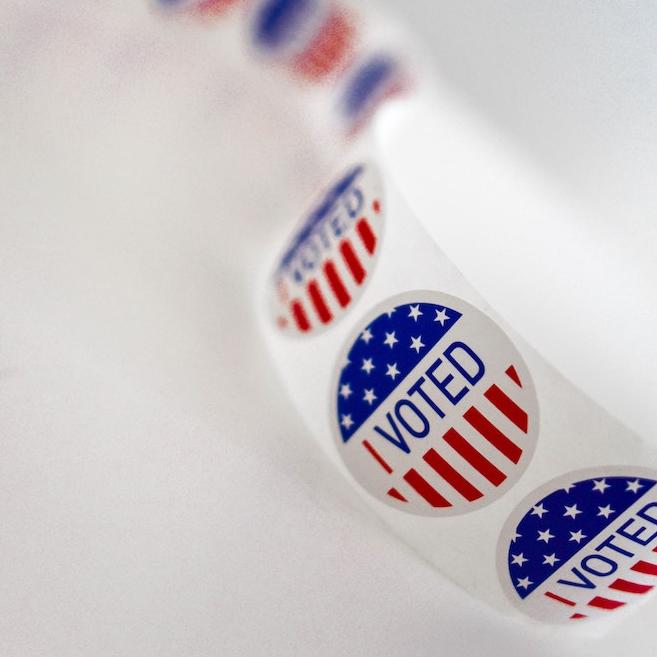
Trump’s attacks on mail-in voting, even after using it himself, highlight intensifying partisan conflicts over voter access. Cornell University professor David Bateman says the effort signals a Republican push to restrict Democratic-leaning voters.
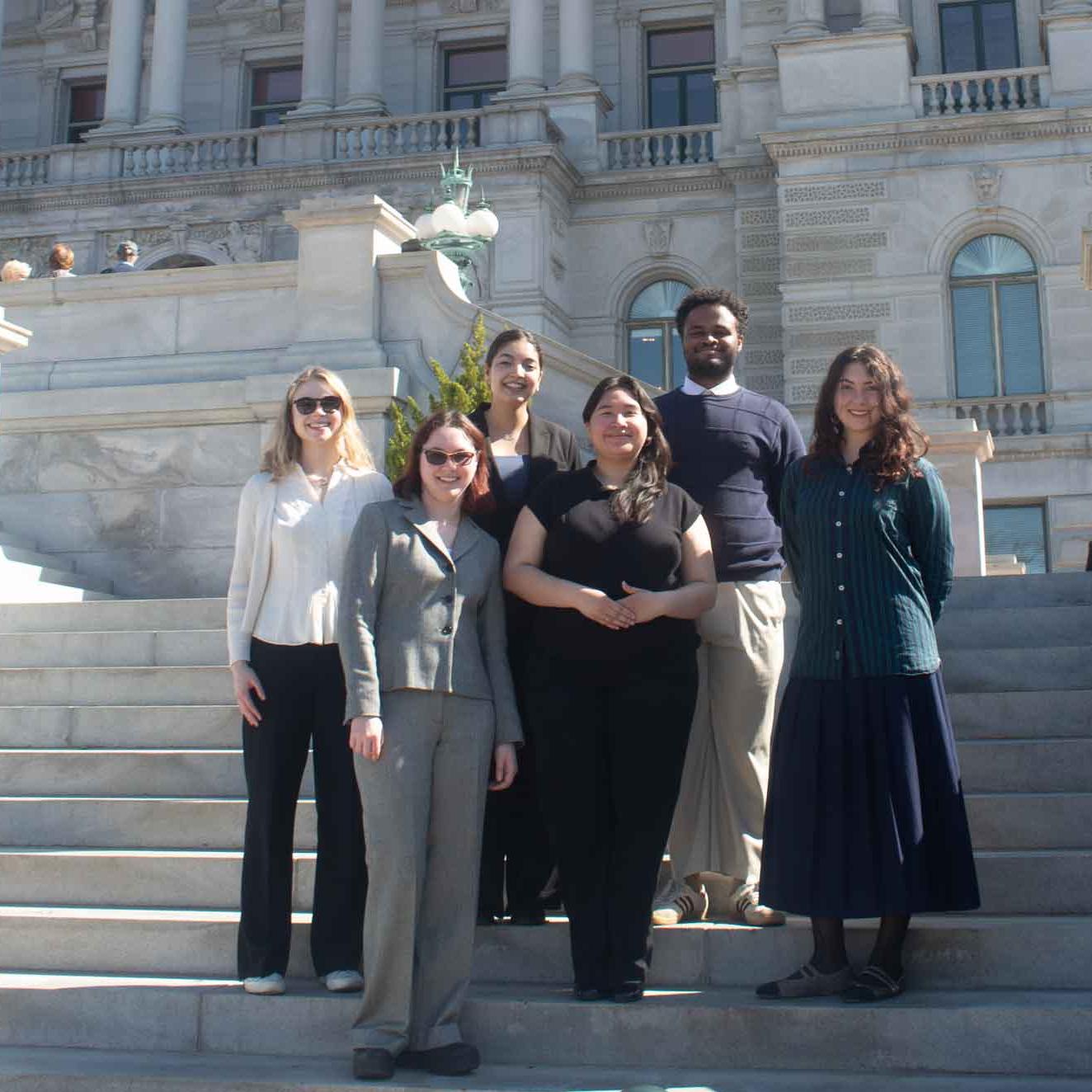
Cornell University Humanities Scholars traveled to Washington, D.C. to advocate for increased National Endowment for the Humanities and National Archives funding, meeting with congressional offices to highlight the impact of humanities programs on education. Their two‑day trip underscored how federal support strengthens community partnerships, language programs, and public humanities initiatives benefiting campuses and local organizations nationwide.
College of Arts & Sciences graduates show strong career outcomes despite economic uncertainty, with only 1.3% of last year’s class seeking employment, according to Cornell University data. Most graduates secured jobs or graduate school placements, supported by expanded A&S Career Development programs and employer engagement.
Cornell admits the Class of 2030 emphasizing real-world impact, enrolling 5,776 students from 102 countries.
At Cornell University, the diverse cohort reflects the land-grant mission and applied learning goals across multiple colleges.
Ryan Young / Cornell University
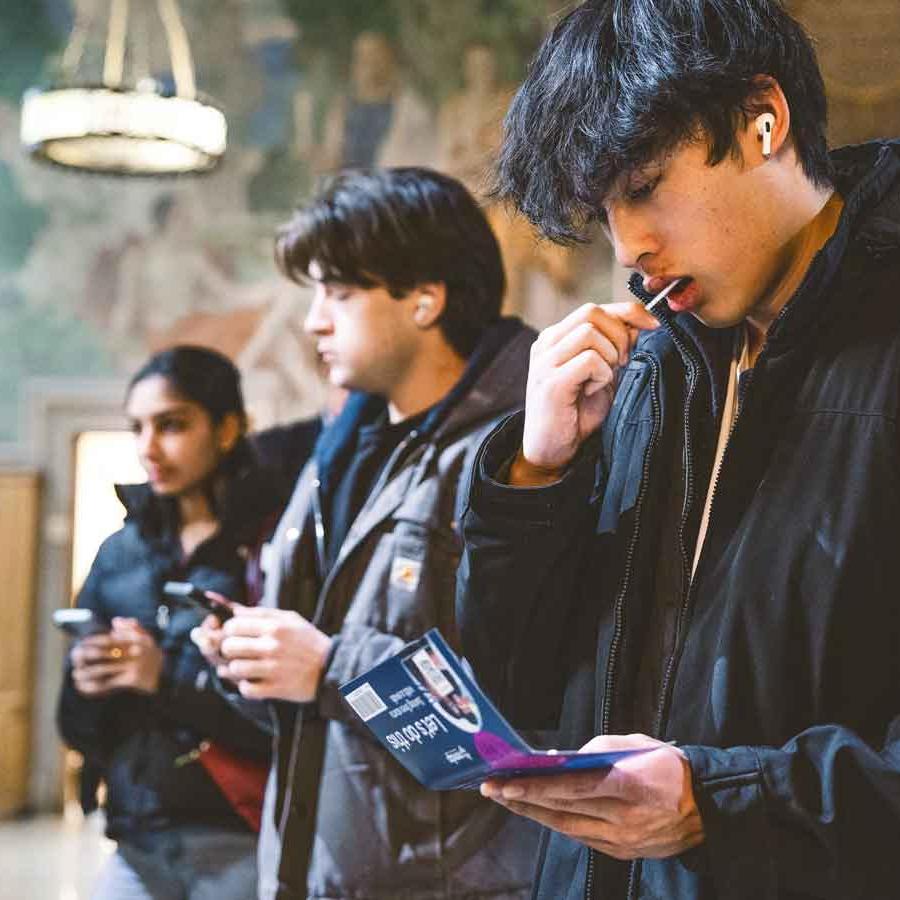
Students swab their cheeks in Willard Straight Hall.
A viral plea by Cornell University alumnus Juan Uribe ’96 sparked “Big Red, Big Impact,” a mid‑March campuswide stem‑cell registry drive that added 1,350 new potential donors for his son Max and others in need. The weeklong effort, held across the Ithaca campus in partnership with the National Marrow Donor Program, aimed to expand lifesaving donor matches by engaging younger and more diverse participants.
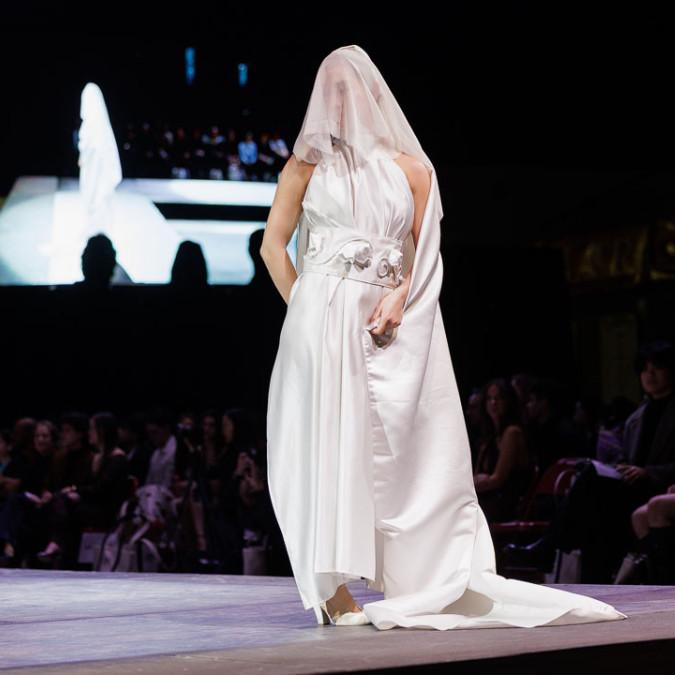
Cornell University’s 42nd annual Cornell Fashion Collective Spring Runway Show on March 21 in Barton Hall highlighted student‑designed collections inspired by childhood memories, global heritage and nostalgic storytelling. The event showcased 42 designers from across campus who explored themes through inventive textiles, cultural motifs and narrative‑driven fashion.
Christine Matthews, CC BY-SA 2.0 <https://creativecommons.org/licenses/by-sa/2.0>, via Wikimedia Commons
Interior of Canterbury Cathedral, Canterbury
Sarah Mullally’s historic installation as the first woman Archbishop of Canterbury highlights rapid institutional change within Anglicanism. Cornell University sociologist Landon Schnabel emphasizes how incremental reforms built support for her swift rise.
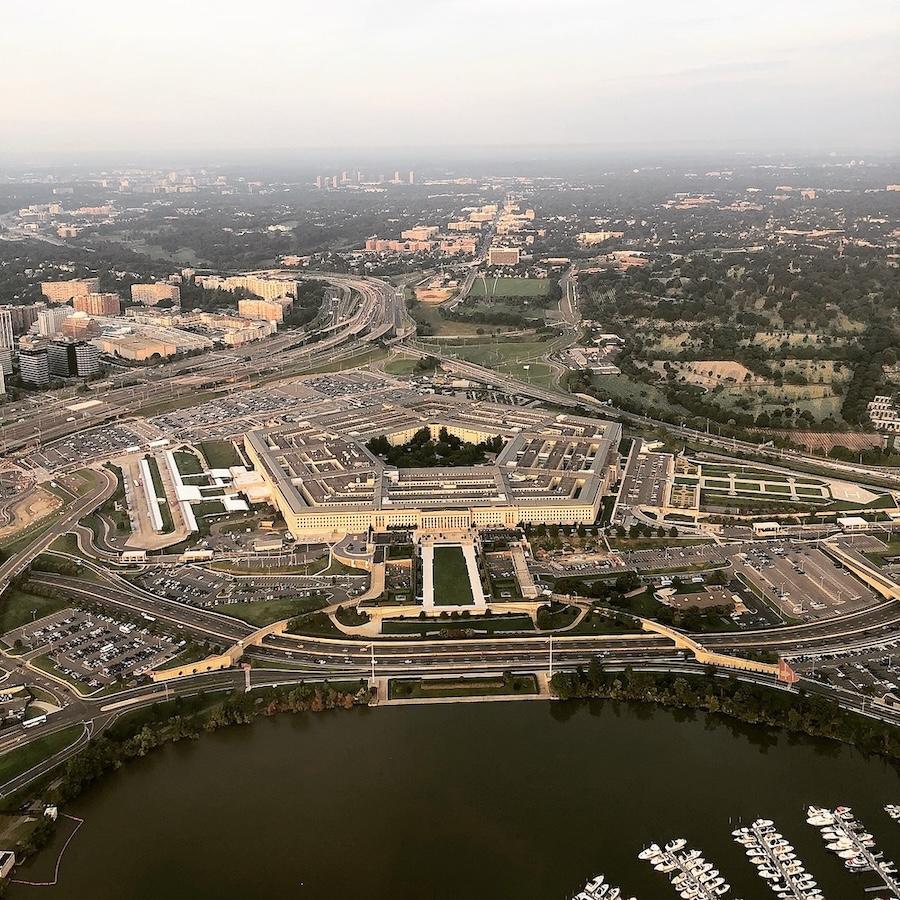
Touch Of Light/Creative Commons license 4.0
The Pentagon, headquarters of the US Department of Defense
Anthropic challenges Pentagon designation as supply chain risk, sparking broader AI governance debate. Sarah Kreps of Cornell University highlights how the dispute exposes uncertainties in government–AI partnerships and future national security collaborations.
Cornell University researchers Héctor D. Abruña and David Muller developed a nickel‑carbon catalyst that delivers high hydrogen oxidation performance in alkaline fuel cells, surpassing U.S. DOE power density targets. Published in PNAS, this breakthrough demonstrates a durable, low‑cost, precious‑metal‑free path to scalable clean‑energy fuel cell technology.
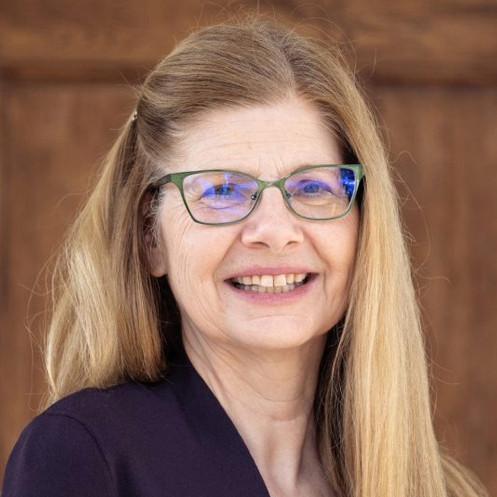
Education researcher Dr. Susan Singer will discuss the future of active learning and discipline-based education research on April 7 at Cornell University’s Fiske Room, Uris Library. Hosted by the Center for Teaching Innovation, the event highlights her national leadership in STEM education reform and evidence-based undergraduate teaching innovations.
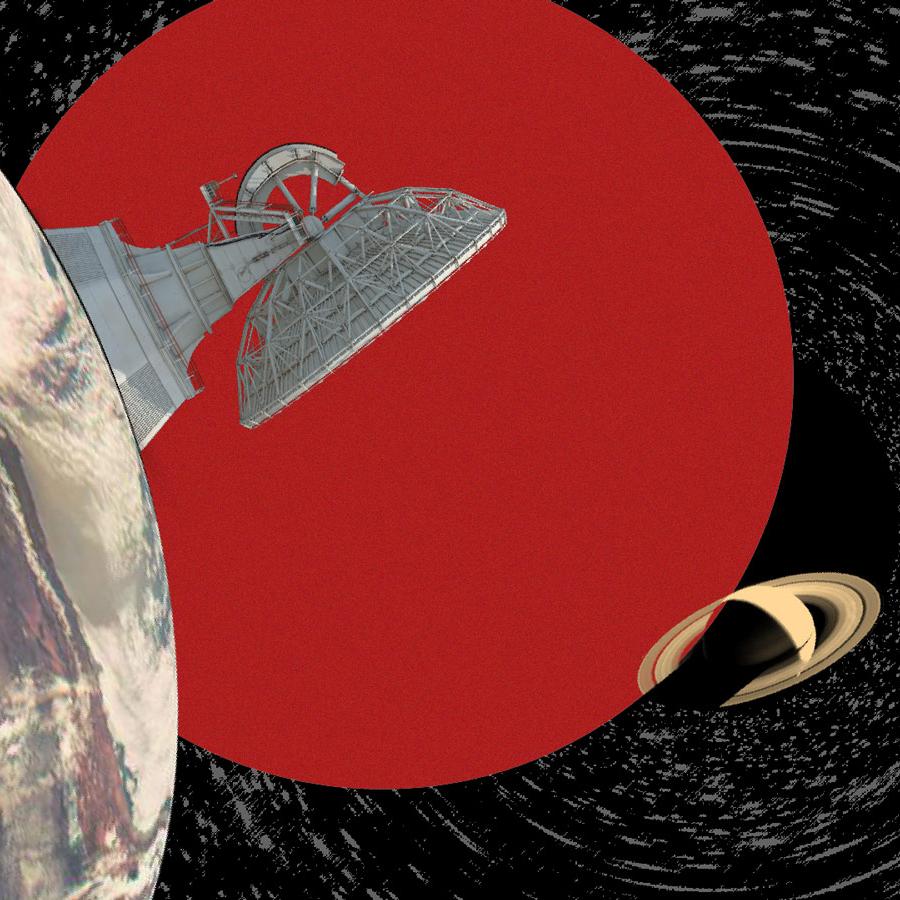
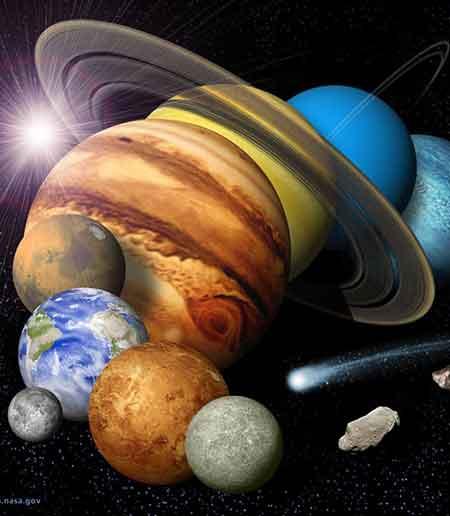
Since the early days of modern cosmic exploration, Cornell scientists have led the way, from guiding rovers through the red dust of Mars to searching for other life in the universe; and from modeling exotic stars to detecting the faint ripples of gravitational waves.
Danny Ventrella / NBC
One of Arora’s promo shots from the show.
Adi Arora ’26 of Cornell University impressed national audiences with his standout performance on NBC’s The Voice, earning praise from celebrity judges for his vocal skill and stage presence. The computer science major and a cappella singer continues to build momentum in his musical journey while representing the university on a prominent national platform.
Serin Koh ’26, BA ’25 is pursuing a career in medicine after majoring in literatures in English in Cornell's College of Arts and sciences. She writes that she values interdisciplinarity, which universities often hail as the future of higher education.
The Center for Racial Justice and Equitable Futures at Cornell University has named 5 faculty fellows to its inaugural cohort, including Alexander Livingston and Isabel M. Perera – faculty members in government in Cornell's College of Arts and Sciences. They will receive support and funding from the Center to pursue innovative projects.
Mass Communication Specialist 2nd Class Michael H. Lehman/U.S. Navy photo
The guided-missile destroyer USS Lassen (DDG 82) escorts the merchant vessel Tomahawk through the Strait of Hormuz.
With the the Pentagon seeking $200 billion for the escalating Iran conflict, David Silbey, historian in Cornell’s College of Arts and Sciences, sees a typical escalatory pattern. He analyzes Strait of Hormuz closures, risks, and deployment options shaping U.S. defense policy.
Provided
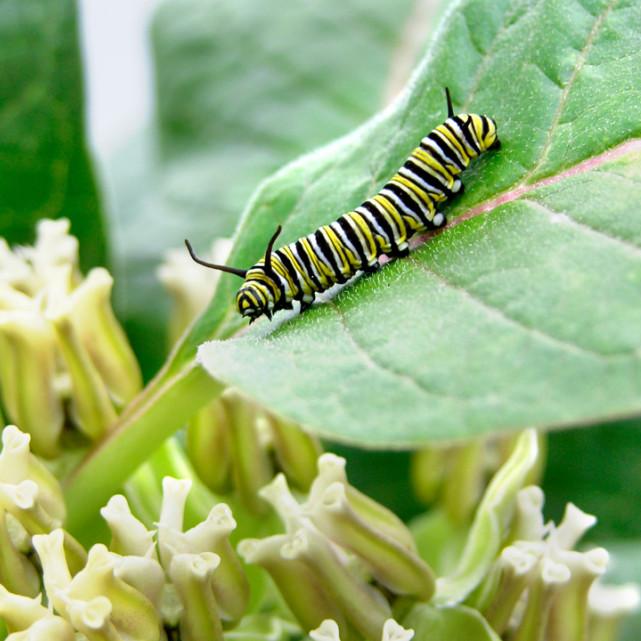
Cornell researchers have uncovered a new strategy milkweed uses to fight monarchs: upgrading the structure of its toxins.
Milkweed evolves upgraded toxins to defeat monarch resistance, a Cornell University study finds, by adding a small structural element containing nitrogen and sulfur. Chemistry researchers from the College of Arts and Sciences helped model how the upgraded toxins bind to enzymes in the monarch’s cells.
Emily Bernhardt, Ph.D. ‘01, the James B. Duke Professor of Biogeochemistry at Duke University, will join Cornell as the Francis J. DiSalvo Director of the Cornell Atkinson Center for Sustainability on Sept. 1. Bernhardt earned a Ph.D. in the Department of Ecology and Evolutionary Biology.
Provided
Orlando Xavier performs with the Berkeley hardcore band Special Forces.
A new book by Judith Peraino, professor of music in Cornell's College of Arts and Sciences, explores the outsider spirit of punk music and culture. "We're Having Much More Fun: Punk Archives for the Present from CBGB to Gilman and Beyond" draws upon Cornell University Library’s archive of punk-related material.
New Cornell research identifies 45 potentially habitable rocky exoplanets using Gaia data and NASA archives, creating a catalog to guide life-search efforts. Authors are an undergraduate, two recent alumni and Lisa Kaltenegger, professor of astronomy and director of the Carl Sagan Institute in the College of Arts and Sciences.
Lance Cpl. Brendan Mullin/U.S. Marine Corps photo
Amphibious transport dock ship USS Somerset (LPD 25) with embarked 15th Marine Expeditionary Unit (MEU) transit the Strait of Hormuz in 2021
The U.S.-China rift is widening as Beijing rejects Trump’s requests to help secure the Strait of Hormuz. Cornell University expert Allen Carlson, professor of government in the College of Arts and Sciences, says China sees the crisis as U.S.-made and has little reason to help.
As the film "Project Hail Mary" hits theaters, Cornell College of Arts and Sciences astrophysicist Lisa Kaltenegger, director of the Carl Sagan Institute, explains how real exoplanet research, habitable zones, and nearby star systems inform the film’s search for extraterrestrial life.
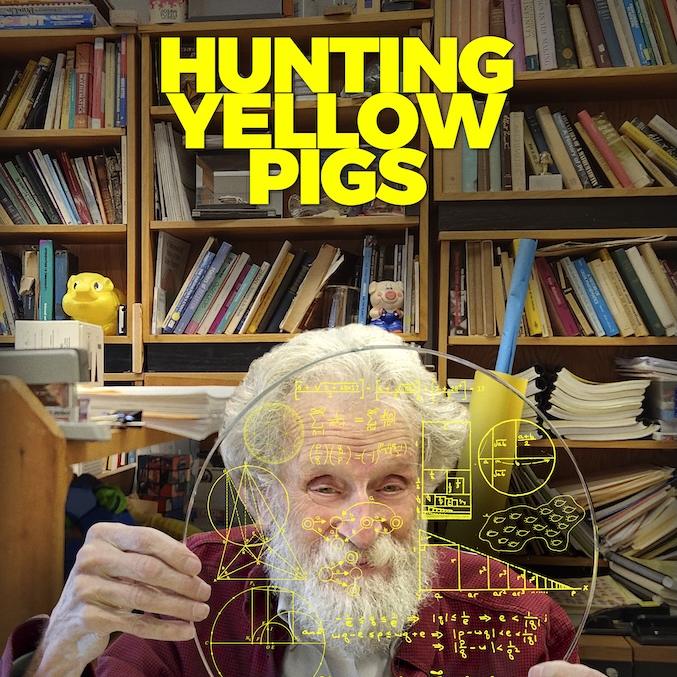
Cornell math professor Steven Strogatz appears in a new film, “Hunting Yellow Pigs,” that celebrates the Hampshire College Summer Studies in Mathematics (HCSSiM) and its unconventional approach to math education. The Cornell Department of Mathematics in the College of Arts and Sciences will host a screening with filmmaker Ming-I Huang on March 24 at 4 p.m. in Schwarz Auditorium, room 201 in Rockefeller Hall.
Jini Li
Poster image for 'Penumbra,' PMA's March 20-21 spring dance presentation
Cornell dance students will present “Penumbra: 2026 Annual Spring Dance Presenting Series,” a performance of original dance work hosted by the Department of Performing and Media Arts in the College of Arts & Sciences, March 20 and 21 at 7:30 p.m. in the Class of ’56 Flexible Theatre, Schwartz Center for the Performing Arts. The show features work by visiting choreographer Babatunji Johnson and Cornell professor of the practice Danielle Russo.
Jason Koski/Cornell University
Peter John Loewen, the Harold Tanner Dean of Arts and Sciences, leads his government class, Disagreement.
The new class, dean Peter John Loewen said, for students to be able to confront and move through disagreements at work, at home, in their communities and in society.
To help the son of an Arts & Science alum and thousands of people in need of life-saving intervention, Cornell is hosting a stem-cell cheek swabbing campaign March 13-20 across the Ithaca campus.
Alexandra Bayer/Cornell University
Seth Klarman ’79 (left) and Bret Stephens discuss the state of journalism and debate in the U.S. March 6 in Klarman Hall.
Neti Bhatt, physics is one of nine Cornell research degree students who will advance to the final round of the 2026 Three Minute Thesis competition (3MT).
“The law is consistent with a dramatic recent policy shift, to suppress the ethnic diversity formally recognized since 1949," says one Cornell expert. "The next step may be the formal abolishment of ‘ethnic minorities.’"
New York Times White House correspondent Zolan Kanno-Youngs will share insights about his work covering immigration, homeland security, criminal justice and inequality in an event March 17 with Dean Peter John Loewen.
Provided
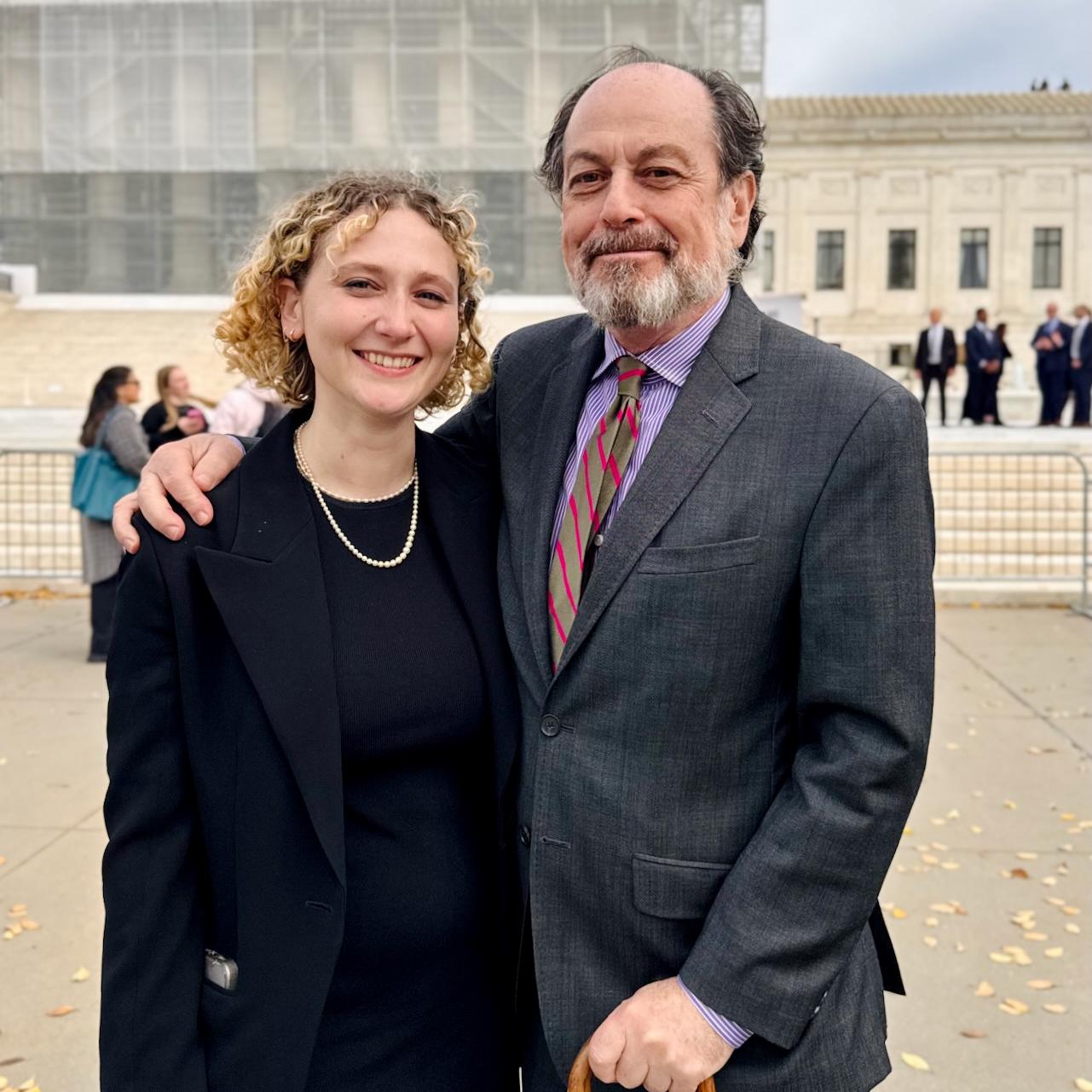
Victor Schwartz and his daughter, Chloë, with whom he runs VOS Selections, at the Supreme Court.
A sonic experience where the audience sits blindfolded is returning to Cornell March 23 for a 6 p.m. performance in Sage Chapel.
Ryan Young/Cornell University
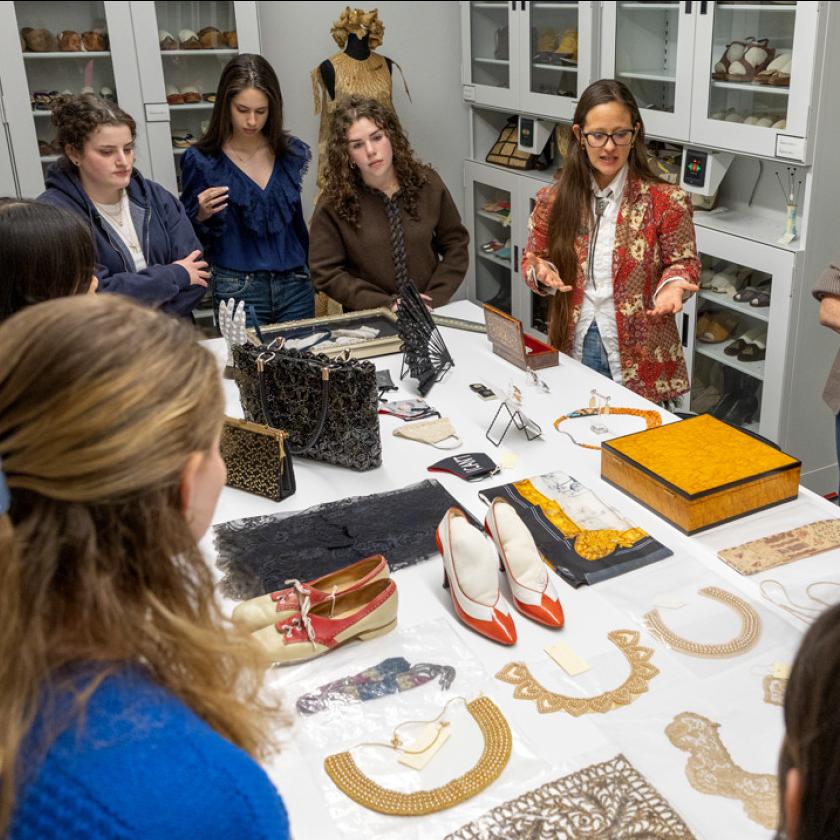
Denise Green shows students around the Cornell Fashion + Textile Collection and highlights artifacts on loan from the family of Ruth Bader Ginsburg ’54.
Ruth Bader Ginsburg ’54 was a champion for women’s equality. Her style, and the substance behind it, will be on display in an exhibit, “Fashioning Justice: Ruth Bader Ginsburg ’54 and the Power of Presence.”
Jordan Leigh/Provided
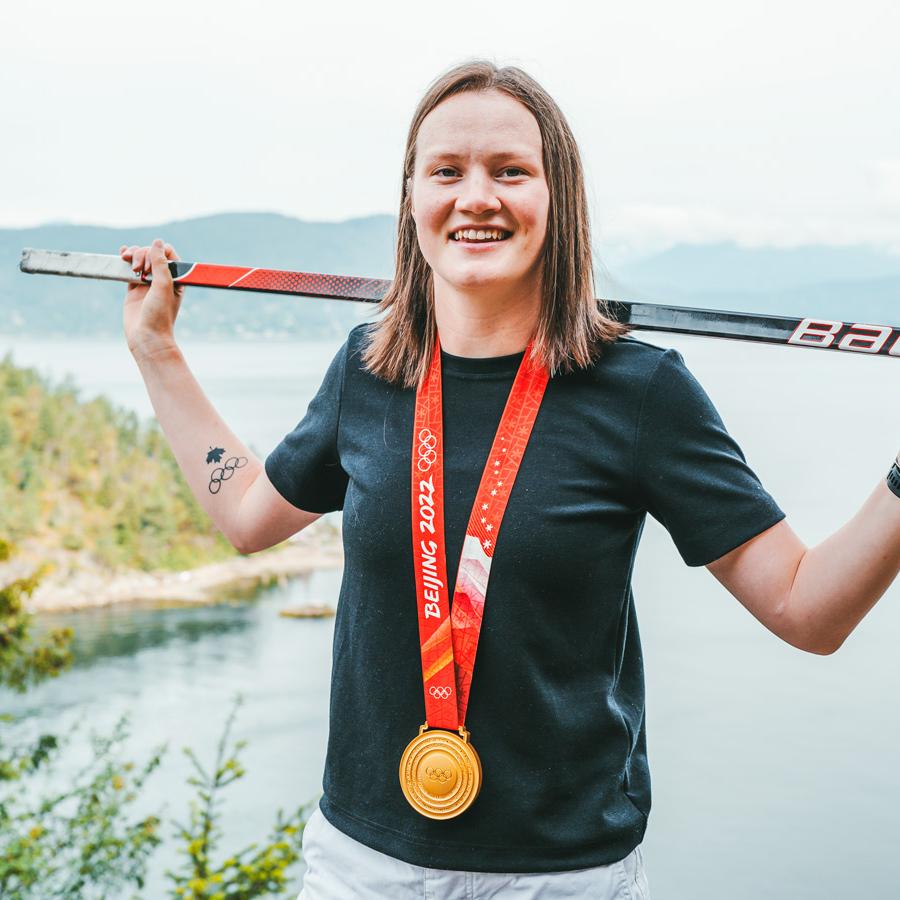
With her Olympic medal—and rings tattoo—at West Vancouver’s Horseshoe Bay.
Use of Christian apocalyptic language by commanders reflects a climate shaped from the top down, says one Cornell expert. Another adds: the belief that Christians should actively bring about the end times rests on a misreading of the Book of Revelation.
Jason Koski/Cornell University
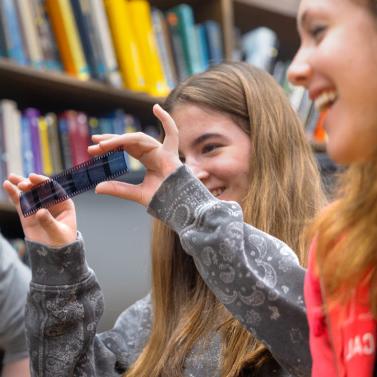
Students examine old strips of film.
Cornell’s Spacecraft Planetary Image Facility (SPIF), which manages print and online images taken by NASA missions, supports astronomy research and conducts dozens of outreach events every year.
The Assessing and Imagining the Impact of Generative AI on Science Symposium, March 3-5, will feature experts from across academia and industry engaging in discussions on the use and implications of generative AI.
Jason Koski/Cornell University
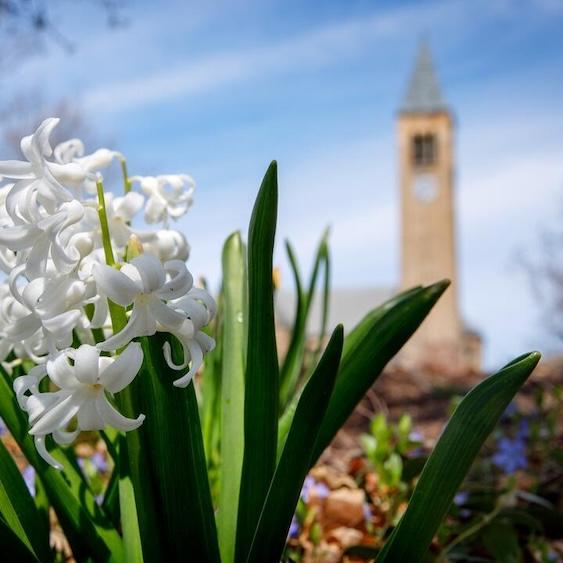
Spring flowers bloom near Ho Plaza
The Cornell Center for Social Sciences has selected 10 faculty members, including several from A&S, as 2026–27 Faculty Fellows, providing course release and funding to support interdisciplinary social science research with real-world impact.
Provided
Prof. Alexander Livingston talks with Upward Bound students over winter break during a pilot of the new summer program for high school students.
Fourteen members of Cornell’s faculty and staff are being recognized this year with Community-Engaged Practice and Innovation Awards from the David M. Einhorn Center for Community Engagement; from A&S it's government professor Alexandre Livingston.
Amorette Lyngwa, a doctoral student in history with a focus on modern South Asia from Shillong, India, studies the urban and social history of Shillong through a community-focused perspective.
Iran’s retaliation to the intensifying war may be swift, but the longer-term risks lie in how prolonged fighting could strain U.S. defenses and tempt rivals like China.
Employees who are impressed by vague corporate-speak like “synergistic leadership,” or “growth-hacking paradigms” may struggle with practical decision-making, a new Cornell study into “corporate BS” reveals.
Presidents typically seek approval from Congress for prolonged military actions as an opportunity to convince the American public and cultivate buy-in from members, says professor David Bateman, but this administration couldn’t care less.
Researchers have found that quantum systems in a frozen state can be stabilized long enough to be a useful strategy for preserving information before it disappears.
Provided
Robert Sullivan on a Mediterranean cruise near Naples, Italy, in January 2024.
Robert John Sullivan, Jr., one of the world’s foremost authorities on aeolian processes -- how wind can carve and change a landscape -- died Feb. 15 in Ithaca.
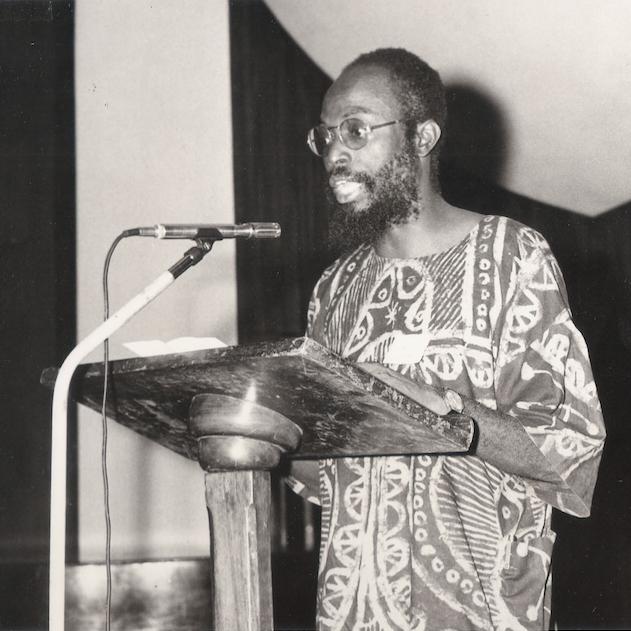
Biodun “BJ” Jeyifo, a leading literary critic and cultural theorist known for his analysis of modernity and its attendant social and cultural crises, died Feb. 11 in Lagos, Nigeria. He was 80.
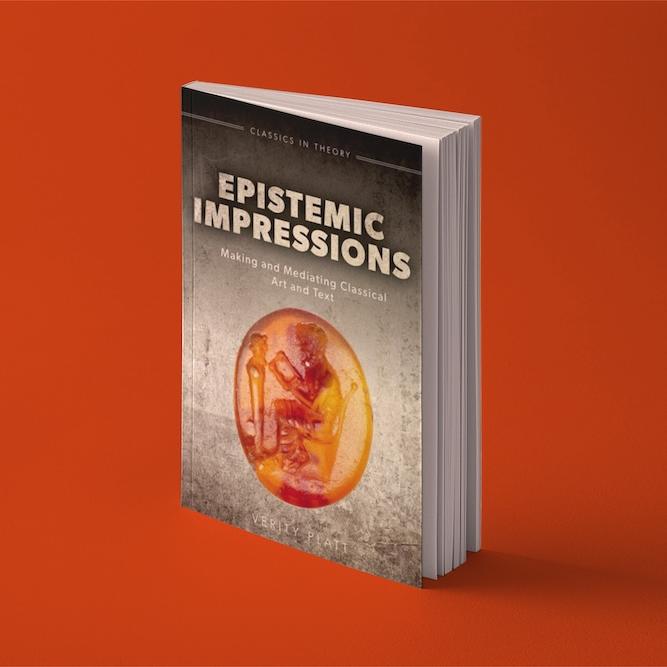
For the ancient Greeks, an image could be understood as a seal pressed on a material to leave a mark, as opposed to an inferior imitation (mimēsis), scholar Verity Platt argues in a new book.
Touch Of Light/Creative Commons license 4.0
The Pentagon, headquarters of the US Department of Defense
“It’s striking that Anthropic appears caught off guard by how its model is being used," says government professor Sarah Kreps, director of Cornell’s Tech Policy Institute.
Jason Koski/Cornell University
As part of the new course, students broke out into small groups to discuss big questions relating to law, health, technology and business.
On a Saturday morning in February – the coldest day yet of a cold winter – more than 350 students trekked to Statler Hall for an innovative new course on civics.
Cornell researchers have developed an online module, running just over an hour in length, that can be offered as a way to instill concepts of critical thinking early in a student’s academic journey.
In early February, classics professor Mike Fontaine tapped the expertise he gleaned from writing How to Tell a Joke to address a very modern phenomenon: the current push by many companies for a return to the office.
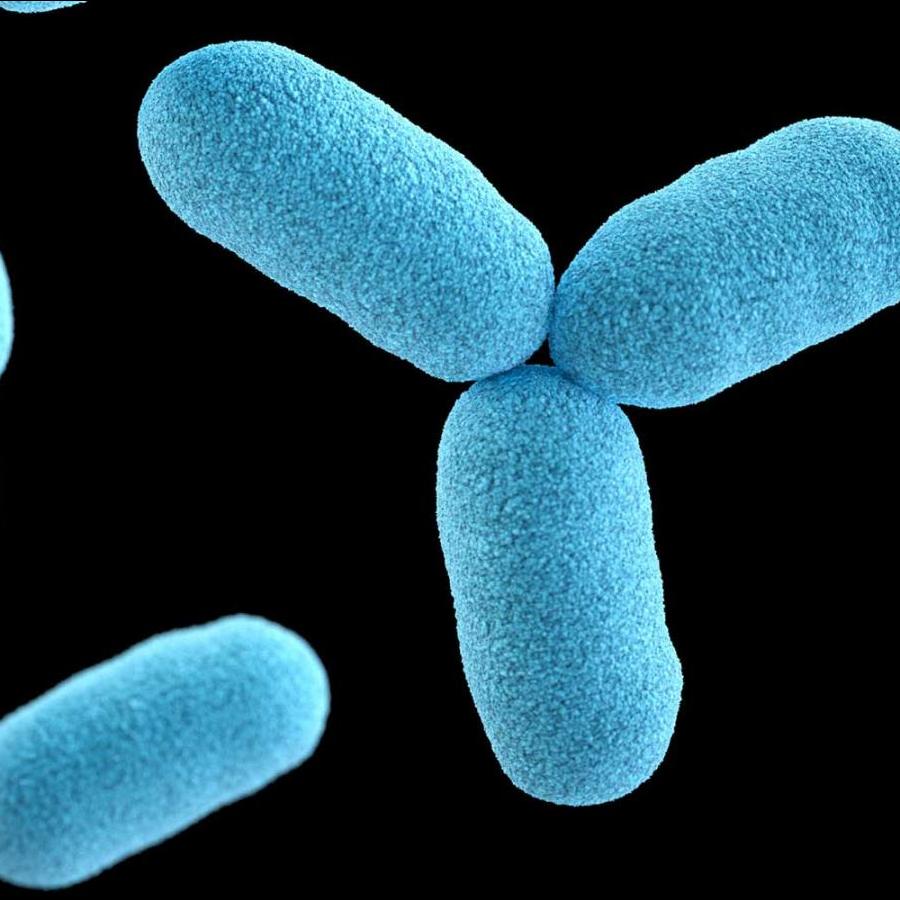
Researchers discovered electron transfer in electroactive bacteria is mediated by CymA proteins’ ability to synchronize and form a biomolecular condensate in the cell’s inner membrane.
Cornell researchers have uncovered a built-in molecular “gate” that controls the production of the molecule nitric oxide, a crucial signaling molecule throughout biology that in humans helps regulate blood pressure, brain signaling, and immune defenses. But when levels go unchecked, it can damage cells and disrupt normal signaling.