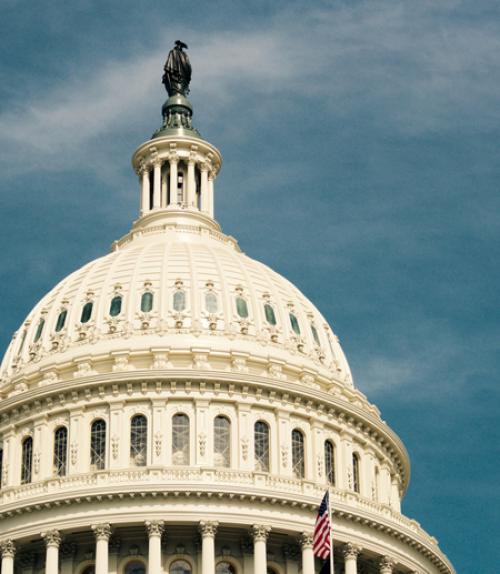
Despite some vocal opposition from Congress to the president’s ordered strikes on Iran, there is little reason to expect Congress will act in checking the president’s authority in this case says a Cornell University expert.
David Bateman, professor of government and policy at Cornell University and expert on Congress and the legislative process, says presidents typically seek approval from Congress for prolonged military actions as an opportunity to convince the American public and cultivate buy-in from members, but that this administration couldn’t care less.
Bateman says: “Congress has long allowed its constitutional authority to be the sole decider of when to go to war to fall into abeyance. Still, previous administrations for the most part did seek some level of congressional authorization, especially for prolonged military actions and certainly for anything with the ambitions of ‘regime change.’ This was part of these administration’s broader effort to persuade the American public, with Congress also being a critical source of institutional support for any war effort.
"This administration, however, has done nothing of the sort, and this congressional leadership couldn’t care less. At most, we see some Democrats announce that they will pursue a War Powers Resolution, something which the Supreme Court long ago rendered a nullity. So long as a meaningless prop exists for Democrats to demonstrate concern, and so long as Republican leadership is uninterested in defending Congressional authority, there is little reason to expect any meaningful check on the president’s bellicosity.”
More News from A&S

Cornell mathematicians win grants to ensure AI safety, research integrity
Mathematics
Jazz master Chucho Valdés birthday celebration opens concert series Oct. 23
Music