The Pentagon is seeking $200 billion to support an ongoing war in Iran, including the possibility of sending more troops to the Middle East, a move which would violate President Donald Trump’s promise not to engage American servicemembers in long-term conflicts abroad.
David Silbey, a professor of history in Cornell's College of Arts and Sciences who specializes in military history and defense policy, says what we’re seeing now is a fairly typical escalatory pattern.
Silbey says: “The problem with attempting a decapitation strike is that the Iranian regime survivors now feel existentially threatened by the US on an individual level and, given the past pattern of attacks, no reason to believe that the US will live up to any agreement it negotiates.
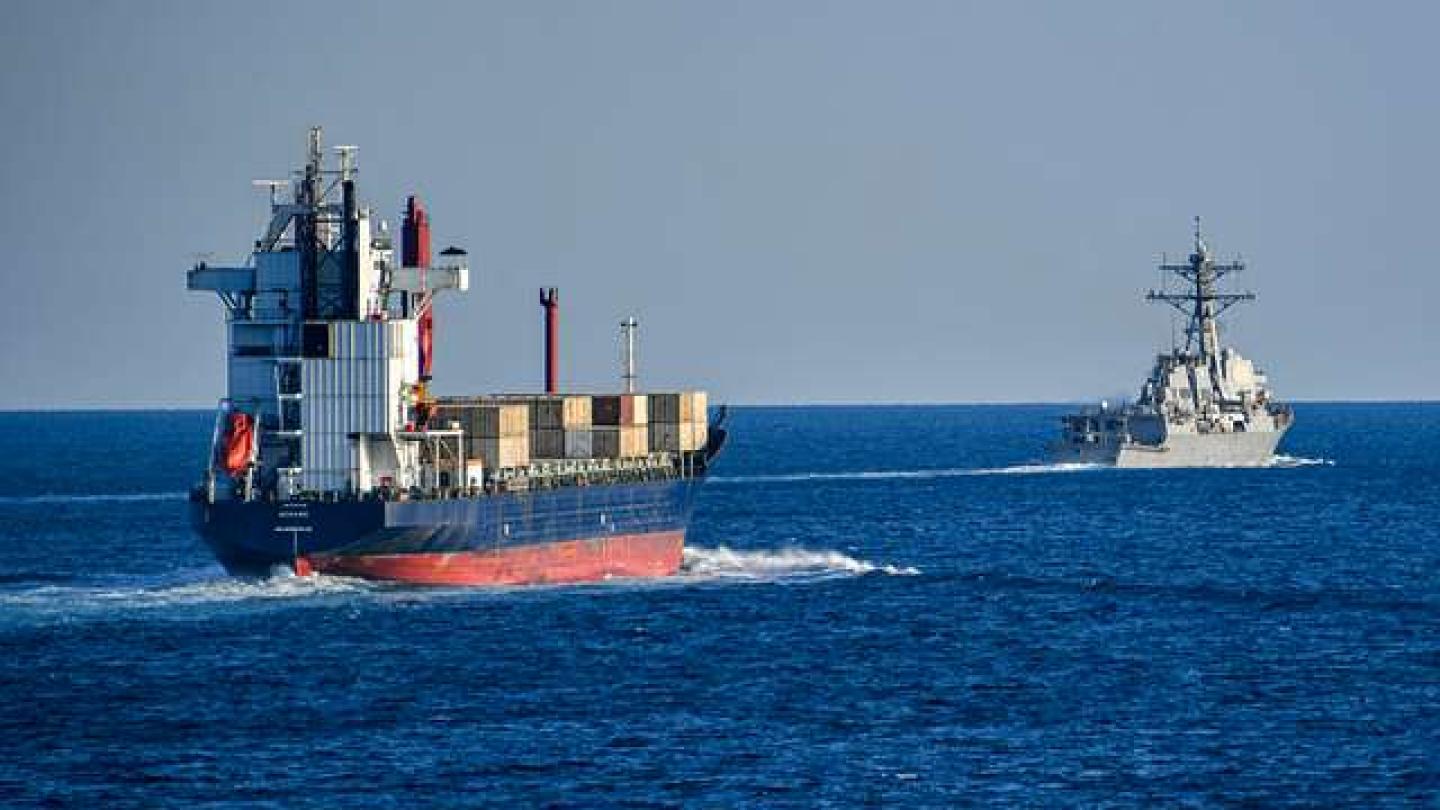
“Thus, Iran escalated by shutting down the Strait of Hormuz and President Trump discovered that he couldn’t just wave a hand and reopen it. The US Navy has spent the last 30 years failing to build a robust mine-sweeping capability and that means they can’t even send their own ships through as escorts. They seem to me to be sending reinforcements to work on that – there are a number of small islands in the Strait that could be occupied and used as bases against Iranian activities.
“They could also take Kharg Island and essentially shut down Iranian oil revenues. Doing that would constitute ‘boots on the ground’ but in a much more limited way than a full-scale invasion. That latter is not possible without a massive buildup in Kuwait and Iraq of heavy armored forces, which would take months (though special forces operations would be possible). The challenge is that putting Marines on those islands makes them vulnerable to Iranian attacks and thus casualties, which would continue not to play well with the American public.”
More News from A&S


Annetta Alexandridis commemorated through installation, Oct. 31 memorial
History of Art and Visual Studies
Shakespeare’s 'Twelfth Night:' Mad Love, Mad Music
Performing and Media Arts