Twelve outstanding early-career scholars have been chosen as the 2026 cohort of Klarman Postdoctoral Fellows by the College of Arts and Sciences. Mentored by College faculty hosts, they will pursue research in the sciences, social sciences and humanities. The incoming fellows comprise the seventh cohort of Klarman Fellows since the program was launched in 2019 with a major gift from Seth Klarman ’79 and Beth Schultz Klarman.
“I welcome these superb researchers to the College, where they will have every opportunity, with stellar faculty mentors, to thrive in their explorations and contribute to some the world’s most important research fields,” said Peter John Loewen, the Harold Tanner Dean of the College of Arts and Sciences. “The Klarman Postdoctoral Fellows program is now ingrained in the College, exemplifying our mission to foster deep discovery and broad interdisciplinary collaboration. I am grateful to Seth and Beth Klarman for the extraordinary foresight of their vision and continued strength of their support.”
Klarman Fellows are able to prioritize their research, a central goal of the program, as they have no teaching assignments or reporting requirements. In addition to their faculty hosts, many fellows develop connections to additional faculty members and even different departments and programs across the College and University.
Who is in the 2026 cohort of Klarman Fellows?
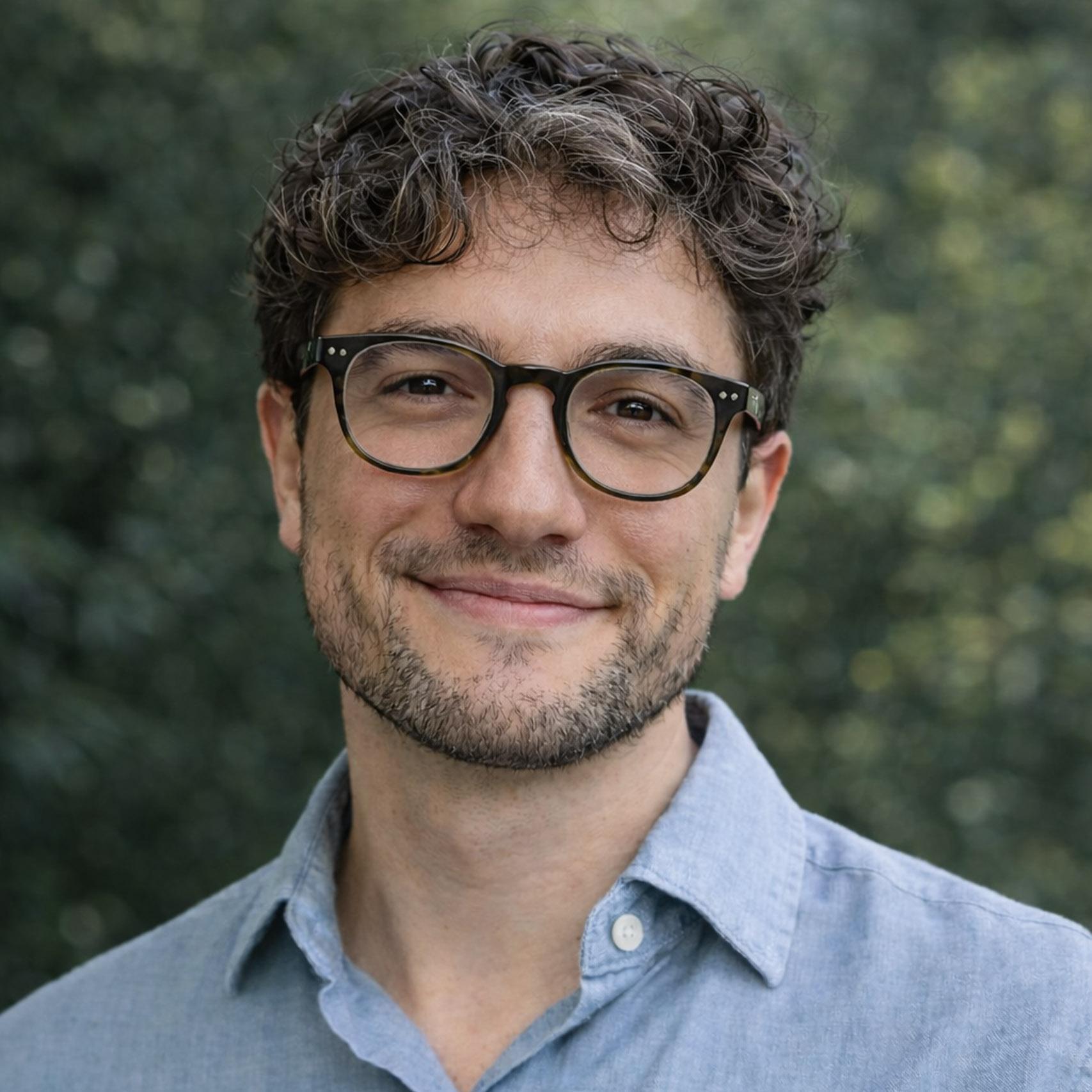
Luca Abbattista is a doctoral candidate in Italian and comparative literature at Columbia University. His research examines how aesthetic artifacts coming from the U.S. shaped the Italian national imagination from its fascist era to the Cold War, aiming to offer a new paradigm for understanding how international circulation of culture makes up national imagined communities. The research explores lives of fascists, G.I.s, writers and U.S. Information Service personnel, creating bridges between material history, literary studies and political theory. Abbattista’s faculty host is Caroline Levine, the David and Kathleen Ryan Professor of Humanities in literatures in English.
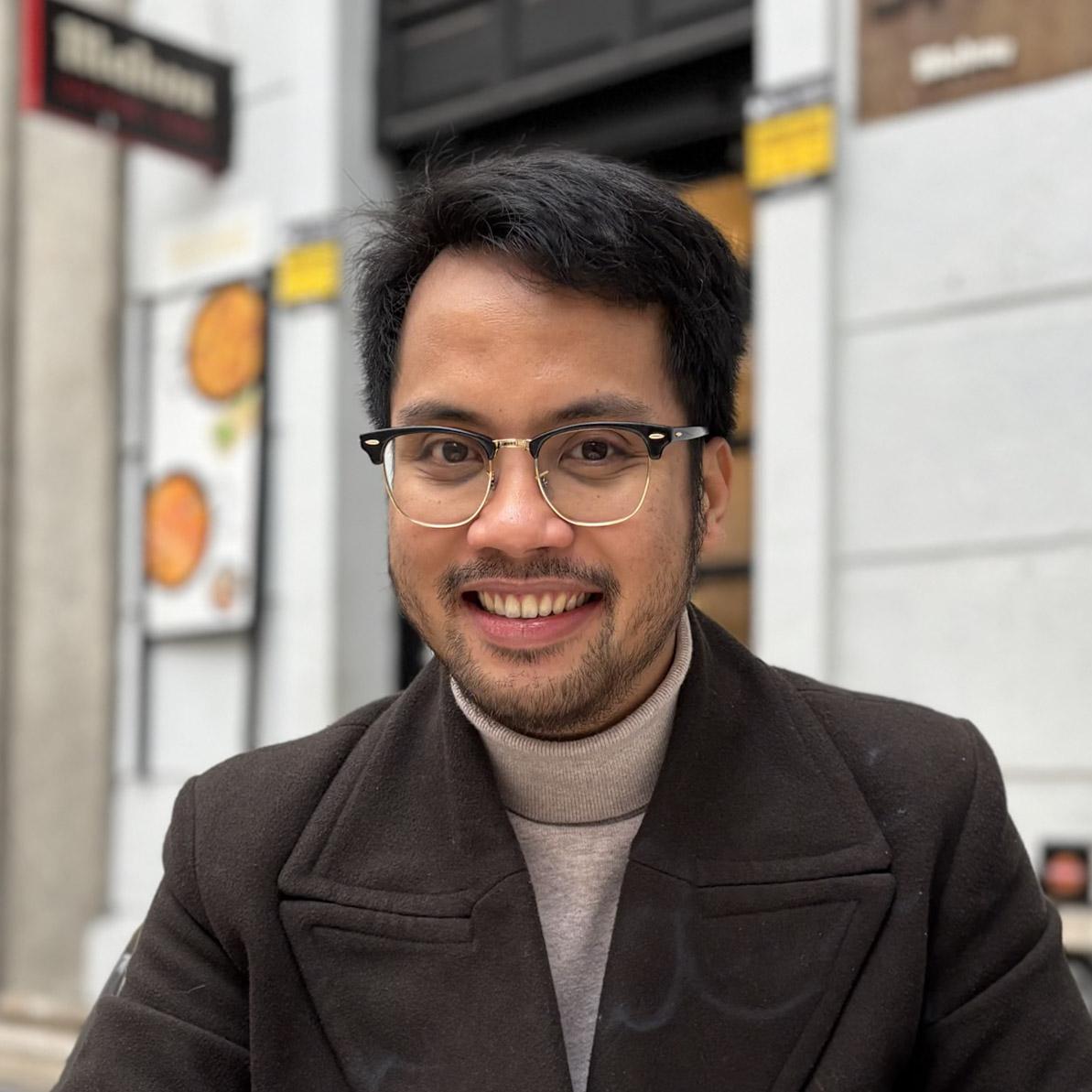
Jethro A. E. A. Calacday holds a Ph.D. in history from the University of Cambridge. His research examines how Catholic institutions mediated the exercise of imperial power and related questions about the origins of modern secularism. He addresses these questions by reassessing the intertwined histories of empire, religion and the state from the early modern period to the 20th century. His first monograph-in-progress, provisionally titled “Catholic Empire: The American Colonial State and the Roman Catholic Church in the Transimperial Philippines,” is a reinterpretation of U.S. colonial rule in the Philippines (1898-1946), showing that rather than representing a Protestant break from Catholic imperial traditions, American administrators relied on Catholic structures to consolidate governance. This insight leads to wider inquiries into how American secular policies reshaped Filipino society and identity, and how Iberian Catholic empires in the past forged “archaic forms” of secularism that reverberated globally. Calacday’s faculty host is Ruth Lawlor, assistant professor of history.
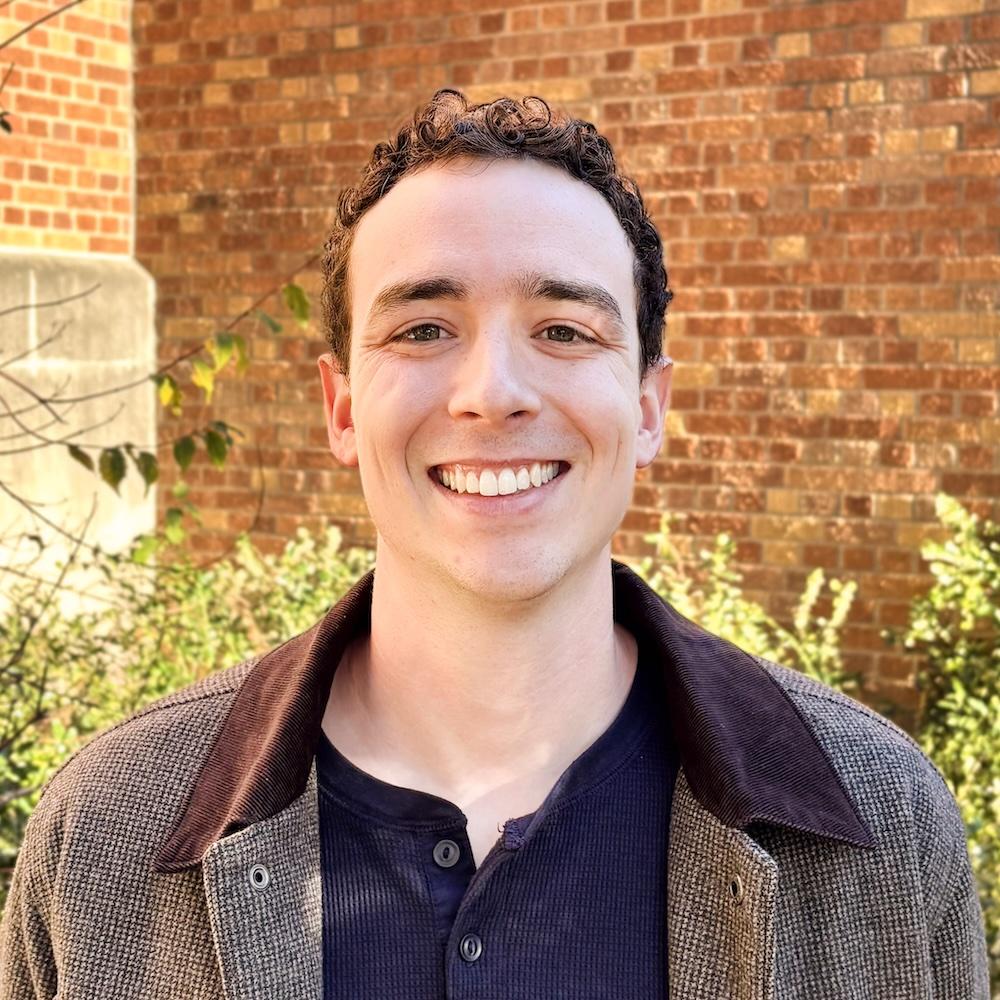
Jonathan DeStefano is a doctoral candidate in physics at the University of Washington. His research interests include a wide variety of quantum materials. One of these, 2D materials, show great technological potential, but their study is hindered by the small number of experiments able to measure them. Currently, ultrasound experiments are useful in the study of quantum states of matter but are limited to macroscopic three-dimensional materials. As a Klarman Fellow, DeStefano will develop a form of nanomechanical ultrasound to study atomically thin 2D materials, which will allow for a new way to directly probe their fascinating states. This research contributes to development of the next generation of technology, which will require a thorough understanding of more exotic types of quantum materials, such as unconventional superconductors that can be used as important platforms for studying fault-tolerant quantum computing. DeStefano’s faculty host is Brad Ramshaw, associate professor of physics.
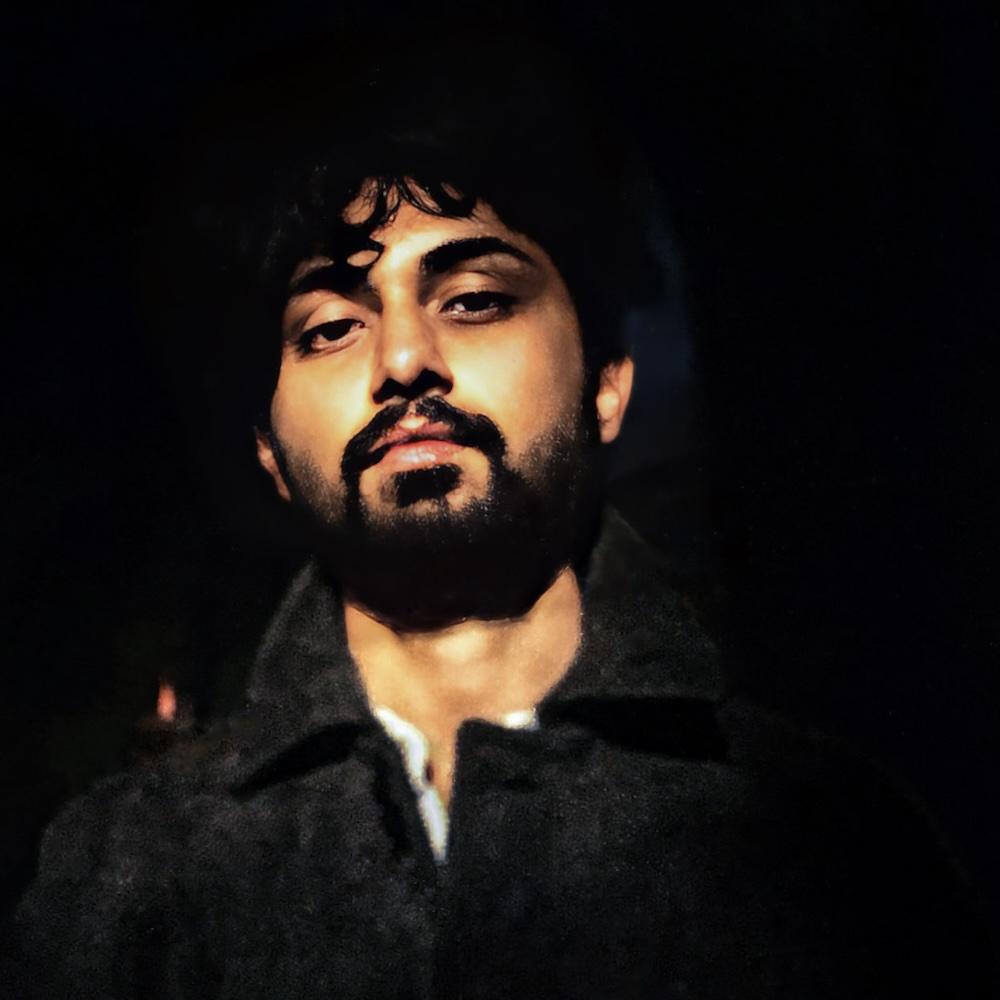
Nomaan Hasan is a doctoral candidate in anthropology at Brown University. His research seeks to develop conceptual resources for living with difference at a moment when cultural particularity is mobilized by exclusionary political projects. Drawing on ethnographic fieldwork in India, he studies the ideological and aesthetic strategies through which ordinary citizens confront the rise of post-liberal populism. Hasan’s faculty host is Natasha Raheja, assistant professor of anthropology.
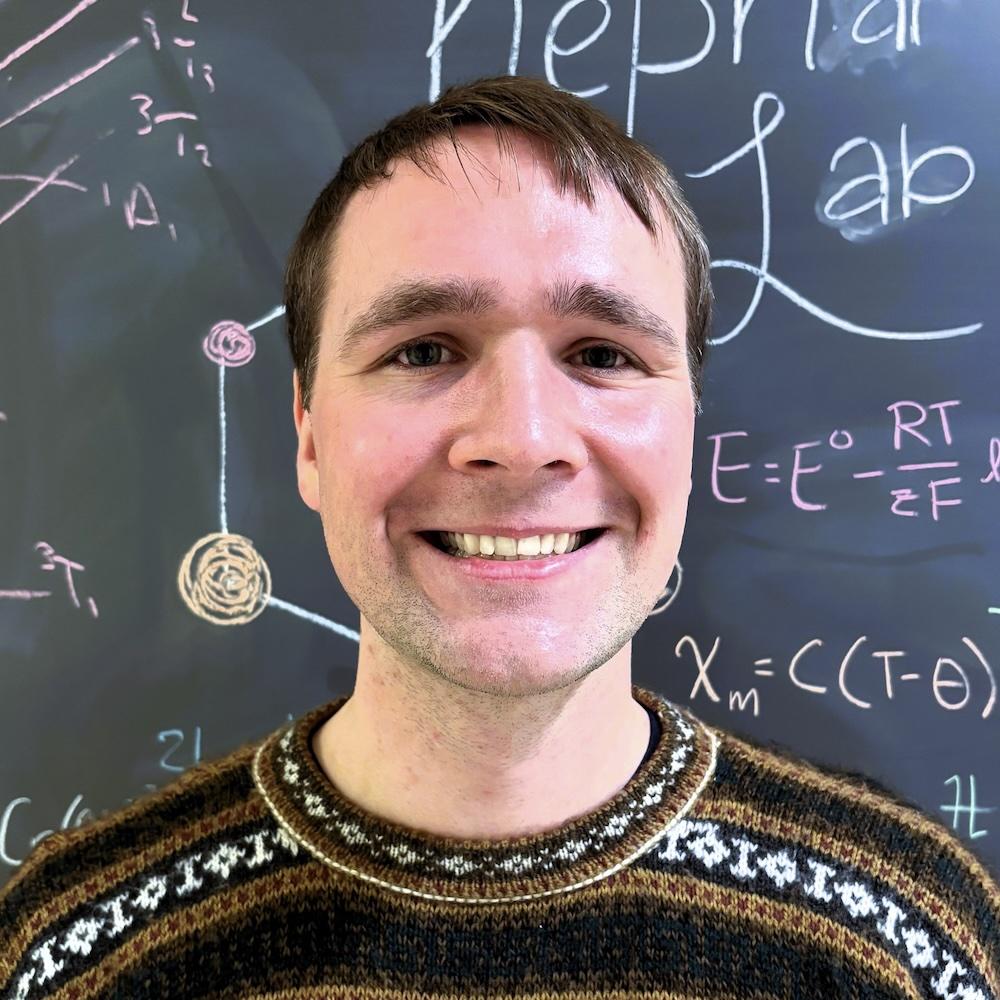
Alec Hegg holds a Ph.D. in chemistry from Yale University. As a Klarman Fellow, he aims to develop atomically precise quantum materials through the assembly of molecular metal oxide building blocks. Quantum materials exhibit emergent properties – such as magnetism and superconductivity – arising from correlated electron spins, particularly in geometries that produce spin frustration. Hegg’s project focuses on high symmetry metal oxide clusters, whose quantum‑confined electronic structures show promise for tunable spin correlations. By modifying the organic ligands bound to iron, cobalt and nickel clusters, Hegg will control stability, electronic structure and magnetic behavior. These tailored clusters will then be linked using bridging ligands to assemble 1D, 2D, and 3D hierarchical materials. His faculty host is Jonathan Kephart, assistant professor of chemistry and chemical biology.
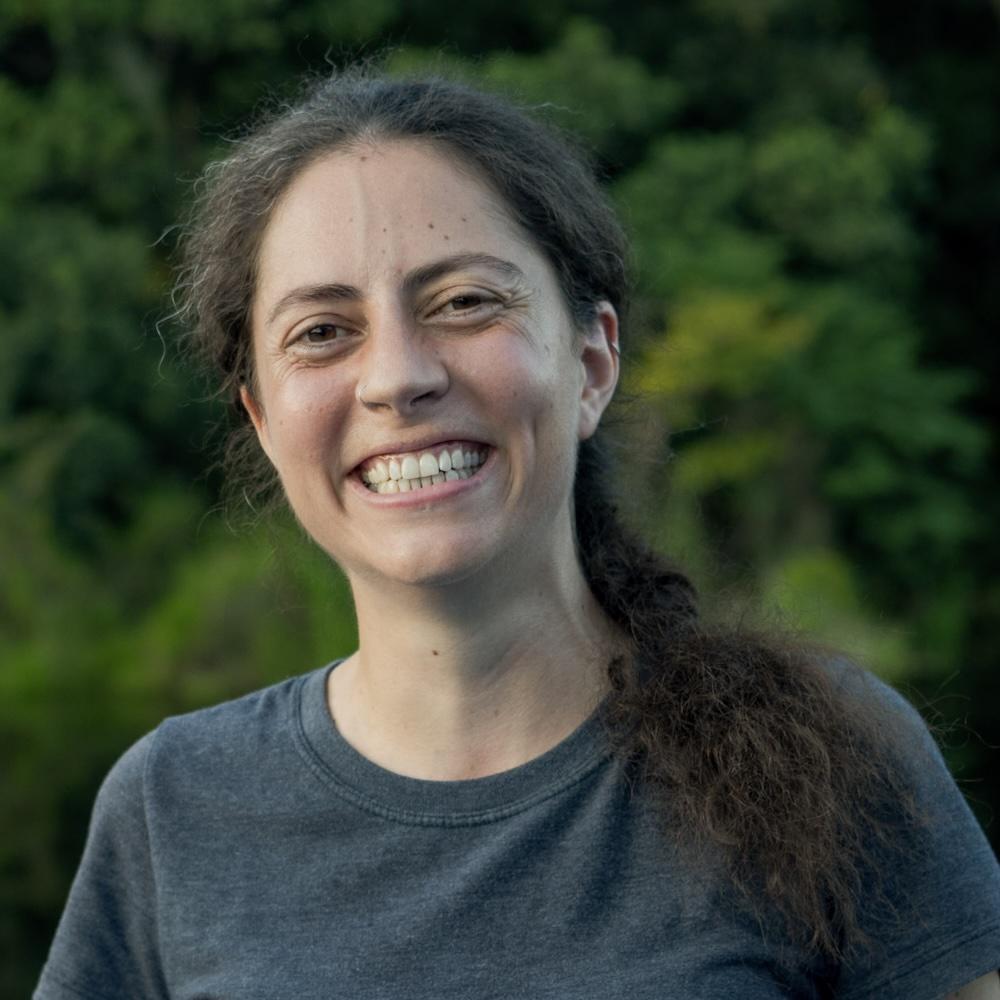
Julia Laterza Barbosa is a doctoral candidate in ecology and evolutionary biology at Yale University. Her research investigates how frog physiology and behavior evolve in response to environmental demands, focusing on water balance and temperature regulation. In frogs, skin is central to respiration, hydration, and defense and therefore highly permeable. Frogs are especially vulnerable to desiccation, particularly under climate change, yet they occupy diverse habitats worldwide, suggesting repeated evolutionary solutions to shared challenges. As a Klarman Fellow, Laterza Barbosa will examine whether similar climates and microhabitats drive convergent evolution in skin traits across distantly related species of frogs. By testing how skin microanatomy, texture and other traits co-evolve across frog lineages, her research addresses whether evolution is repeatable under similar selective pressures. Her faculty host is Molly Womack, assistant professor of ecology and evolutionary biology.
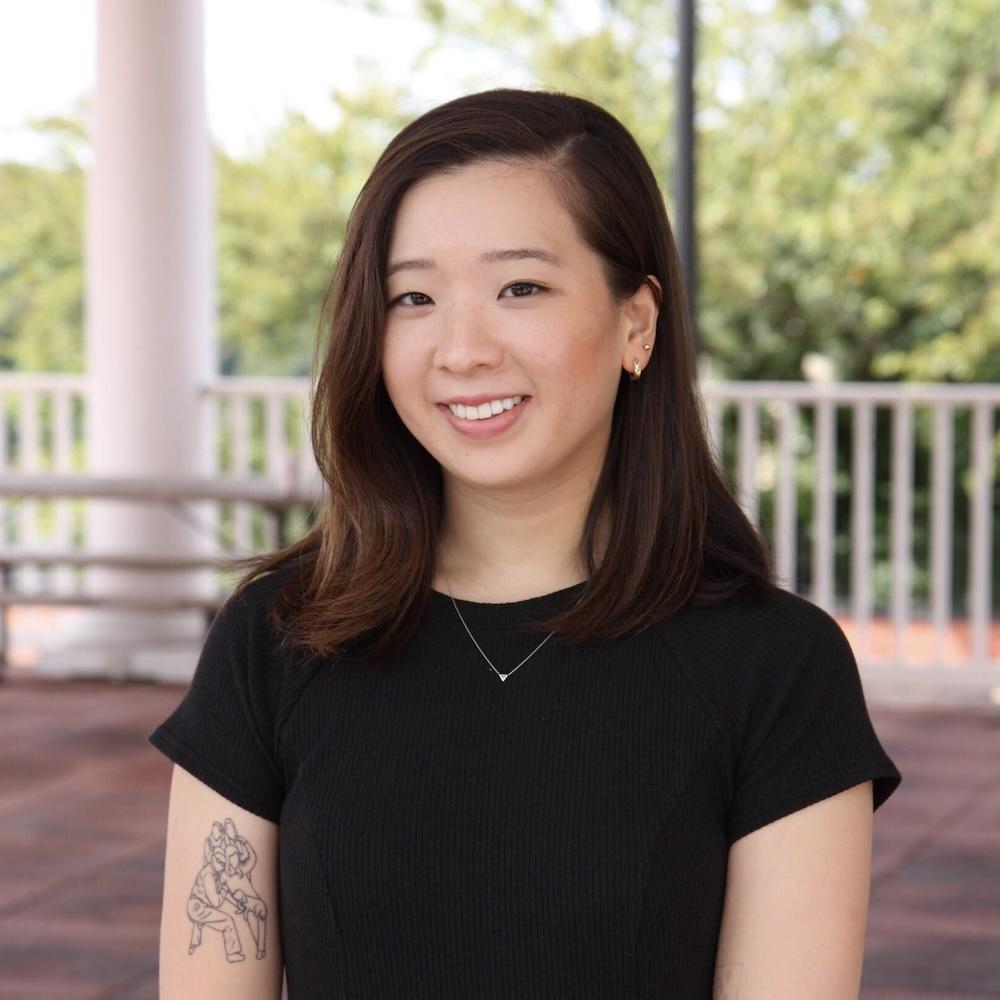
Jenny Lee is a doctoral candidate at the Annenberg School for Communication at the University of Pennsylvania. Her research examines the intersections of labor, identity and culture behind surveillance use and investment. As a Klarman Fellow, she will expand on her book project, which focuses on doorbell camera users and the historical and racial politics of neighborhood surveillance. Her qualitative fieldwork in the cities of Ithaca and New York City will examine the processes, narratives and relationships behind smart city and smart policing initiatives. Lee’s faculty host is Malte Ziewitz, associate professor of science and technology studies. Her faculty co-host is Karen Levy, associate professor of information science in the Cornell Ann S. Bowers College of Computing and Information Science and associate member of the Law School faculty.
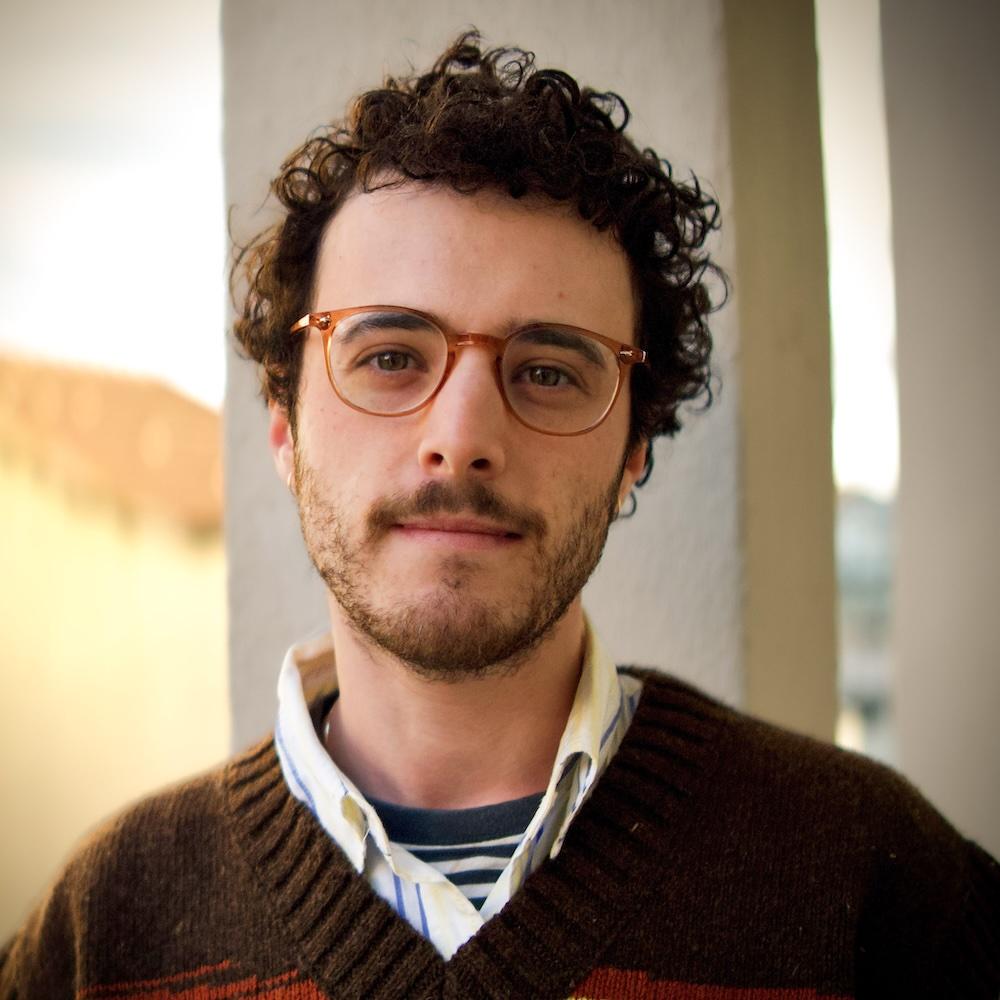
Adam Mahler is a doctoral candidate in Romance languages and literatures at Harvard University. He researches the social history embedded in the formal features of literary texts in Spanish, Portuguese, and the languages and varieties of the Sephardic diaspora. Rather than treating literary form as a function of genre or influence, his scholarship investigates how it registers major ecological, political and social transformations over time. As a Klarman Fellow, he will complete a book tracing how changes in poetic form emerged under ecological pressure and start another book examining how colonial expansion and violence against minoritized communities affect literary transmission and reception. His faculty hosts are Simone Pinet, professor of Romance studies, and Cynthia Robinson, the Mary Donlon Alger Professor of history of art and visual studies.
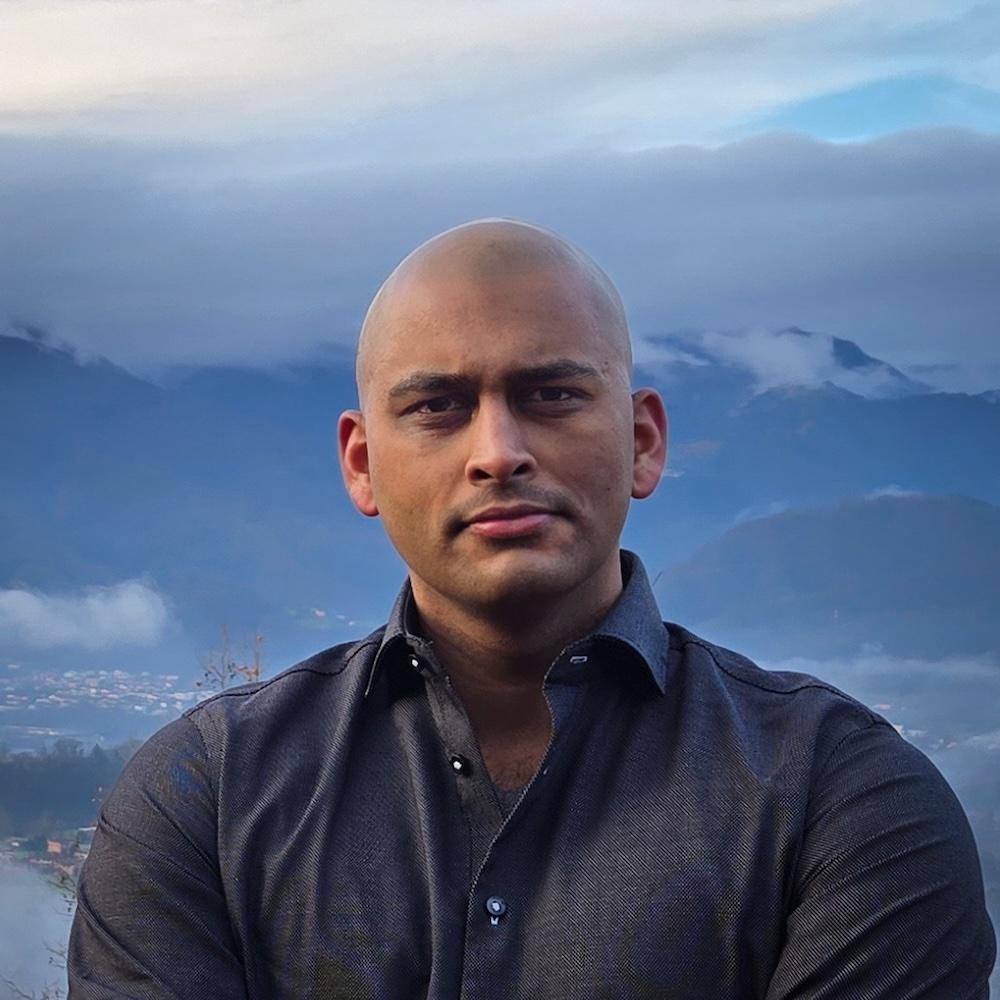
Karann Putrevu has a Ph.D. in environment and resources from the University of Wisconsin, Madison. He studies tiger ecology and conservation with field and computational approaches. As a Klarman Fellow, he will study the prey depletion pressure faced by tigers due to African Swine Fever (ASF). ASF has spread throughout Asia and kills wild pigs at lethality rates approaching 100%, posing a critical threat to tiger populations that depend on pig species as primary prey; this includes populations in the Russian Far East, peninsular Malaysia and Sumatra. Putrevu will use population and energetic modeling alongside field data collection to identify high risk landscapes for tigers and to plan interventions. His faculty host is Andrew Clark, the Jacob Gould Schurman Professor of Population Genetics, and he will also collaborate with Martin Gilbert, wildlife veterinarian and epidemiologist with the Cornell K. Lisa Yang Center for Wildlife Health.

Say Jye Quah is a doctoral candidate in politics and international studies at the University of Cambridge. A political theorist of postcolonial modernity, he draws on international relations, Southeast Asian studies and postcolonial studies to examine how Third World actors – especially in Southeast Asia – reshaped international order. His dissertation traces divergent visions of postcolonial socialism within the political thought of Indonesian President Sukarno and Singaporean Prime Minister Lee Kuan Yew, rethinking socialism’s global afterlives after empire. His postdoctoral project investigates how Singaporean politicians and diplomats helped co-produce the liberal international order through interventions in Cold War, post-Cold War and post-2015 debates. His faculty host is Oumar Ba, the Hardis Family Assistant Professor for Teaching Excellence in the Department of Government.
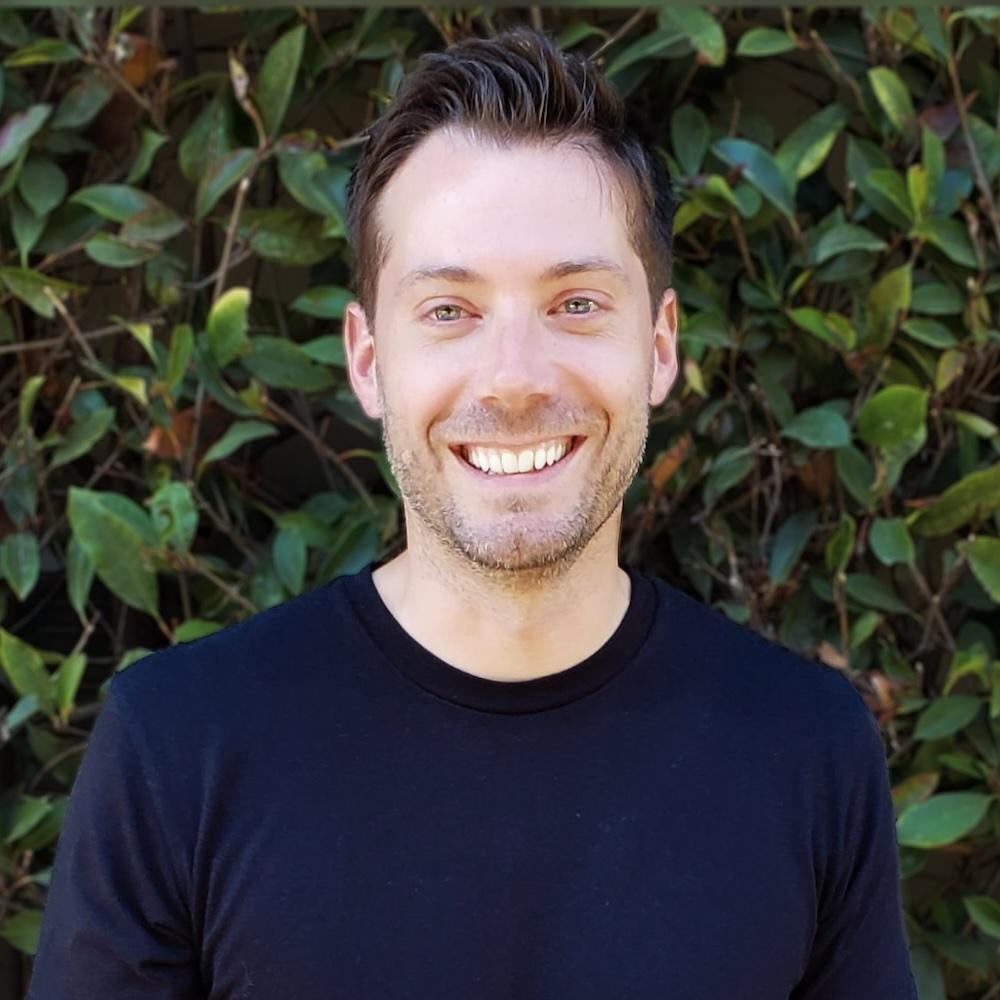
David Rose is a doctoral candidate in psychology at Stanford University with a Ph.D. in philosophy from Rutgers University. Studying moral psychology, Rose focuses on questions of responsibility and causation, arguing that there are different kinds of causes, each with their own profile and developmental trajectory in how they shape responsibility. As a Klarman Fellow, he will develop a new research program exploring how different kinds of causes structure moral responsibility. Working with faculty hosts Shaun Nichols, Distinguished Professor of Arts & Sciences in Philosophy, and David Pizarro, professor of psychology, on three projects, Rose will investigate aspects of moral psychology and causation: fault and punishment; mental states and causes; and causal deviance. His research rethinks the foundations of moral responsibility and advances our understanding of how humans connect causation and responsibility, alongside value and purpose.
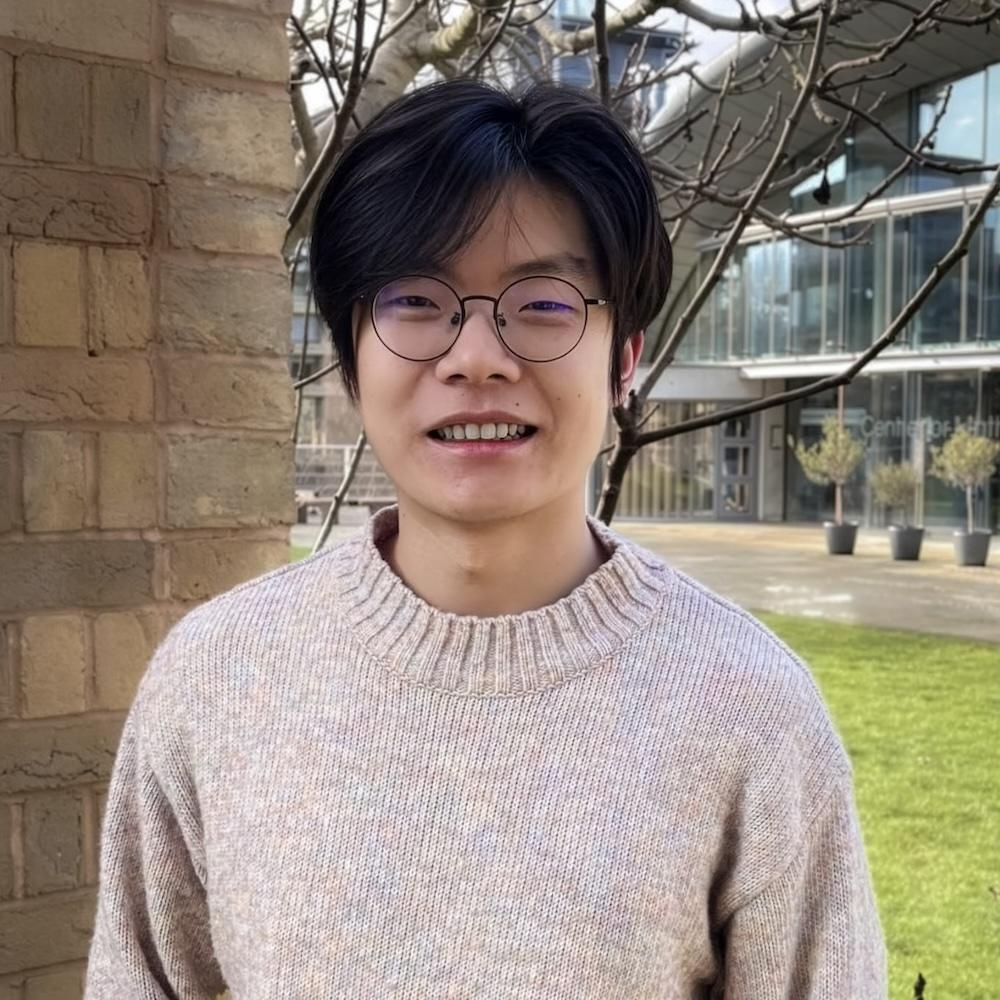
Terry Song is a doctoral candidate in mathematics at the University of Cambridge. His research is on moduli spaces in algebraic geometry – spaces that parametrize geometric objects and are described algebraically. He studies their geometry and topology via their natural combinatorial structures – partitions, graphs and polyhedral – that capture how objects degenerate. As a Klarman Fellow, Song will pursue projects on tropical geometry and combinatorics of moduli spaces involving algebraic curves and geometry and enumerative invariants of logarithmic moduli spaces. His faculty host is Rachel Webb, assistant professor of mathematics.
More News from A&S

Cornell biologist named Blavatnik Award finalist for work with rewilded mice
Neurobiology and behavior
Cornell mathematicians win grants to ensure AI safety, research integrity
Mathematics