When political parties stoke partisan conflicts – often by contesting formal state institutions, like systems for managing elections – actual democratic capacity may take a hit as public opinion polarizes.
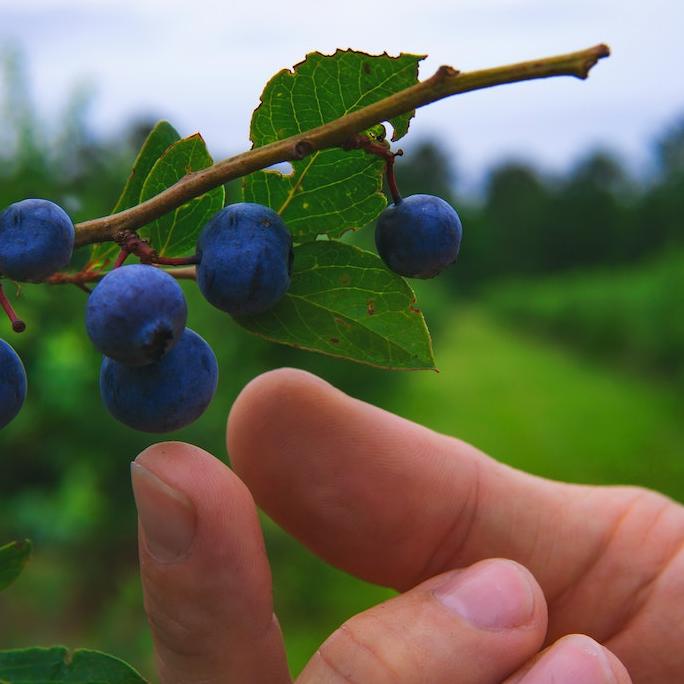
… philosophical systems to the ways people approach everyday problems. Like picking wild blueberries. … compares high-minded philosophical systems to the ways everyday people approach problems, Cornell Research reports . Like picking wild blueberries, for example: Are the berries your property when you gather …
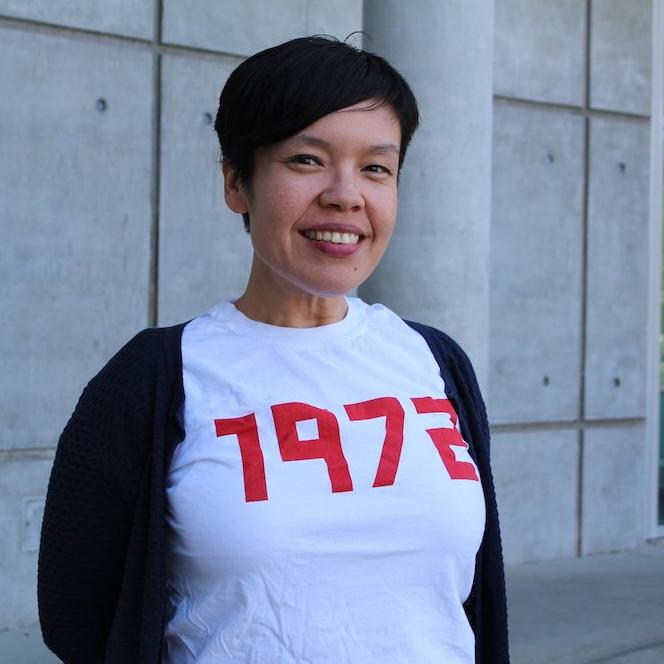
… Performing and Media Arts … Growing up as the child of Filipino immigrants in California, Christine Bacareza Balance, Performing and Media Arts, had no idea that the world of … Filipino American music scene in San Francisco, but it’s very much inspired by their experience of the music scene in …
… during the 2021-22 academic year, 15 were chosen for 2022-23. … 15 U.S. Student Program award winners at Cornell for 2022-23: Micah Benoit ’21 (College of Agriculture and Life … graduates and recent alumni interested in applying for 2023-24 awards should email fulbright@einaudi.cornell.edu as …
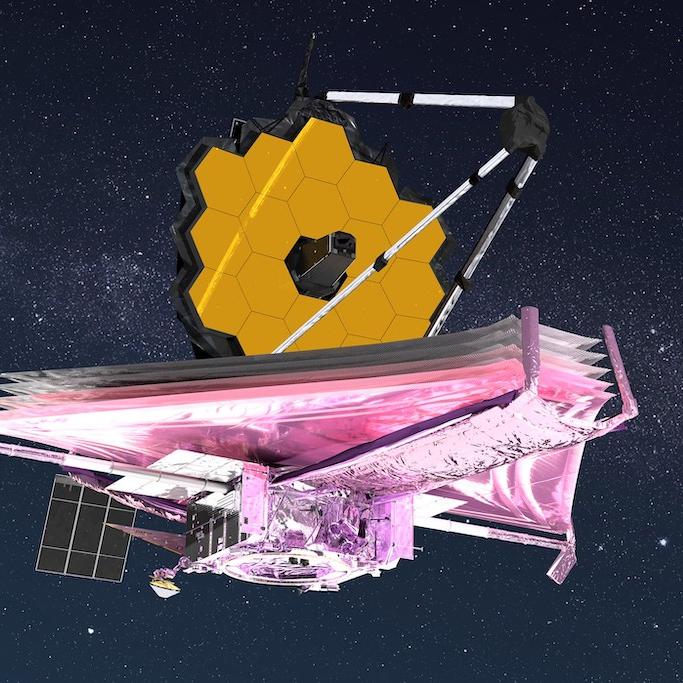
NASA GSFC/CIL/Adriana Manrique Gutierrez
Artist conception of the James Webb Space Telescope
Professor Tao Leigh Goffe works at the intersection of environmental humanities, science, and technology. As a researcher, writer, and DJ, she is especially interested in histories of imperialism, migration, and globalization.
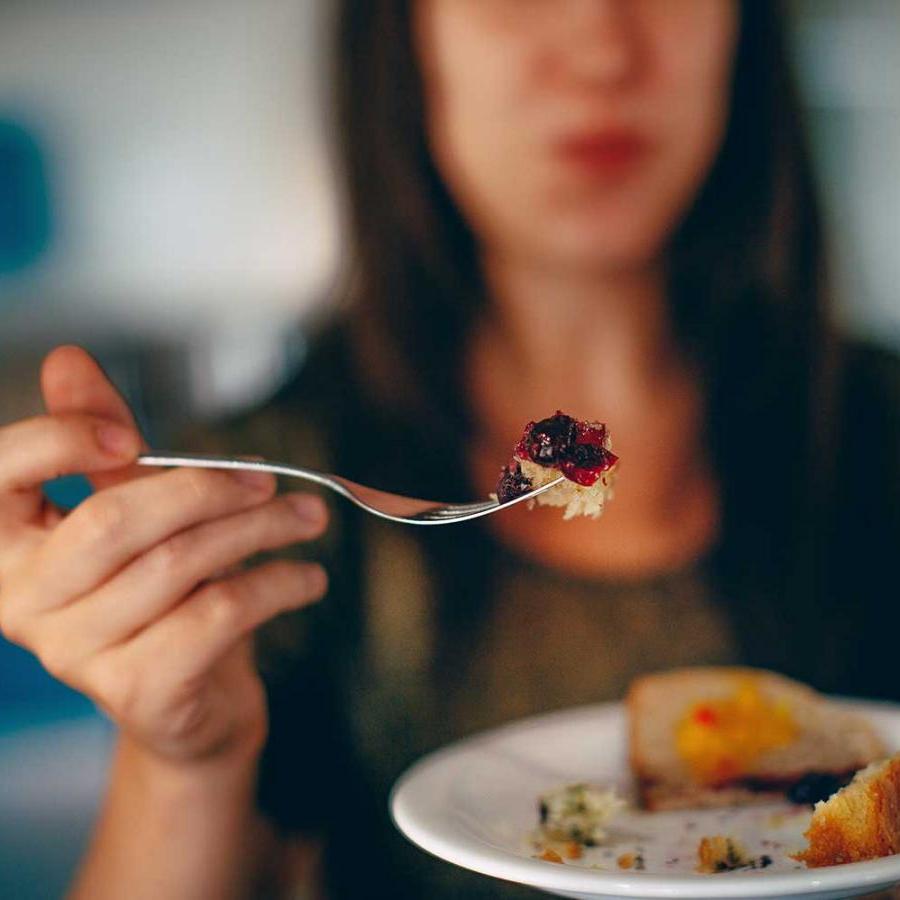
Nilay Yapici, Nancy and Peter Meinig Family Investigator in the Life Sciences and assistant professor of neurobiology and behavior, investigates the mysterious brain-body connections that regulate eating behavior.
… Rich social and cultural transformations came to the classical world in Late Antiquity, … Rich social and cultural transformations came to the classical world in Late Antiquity, … including the rise to prominence of Christianity. What was everyday life like for those early Christians? And how did …
… and marketing plan, the Exotanium team talked to potential customers and learned that companies were more concerned … hopes to offer customers. “Longer term, we want to become a service provider for the cloud,” he says. “A kind of cloud broker. If a company wants to buy a cloud resource, they will come to us first and run on …
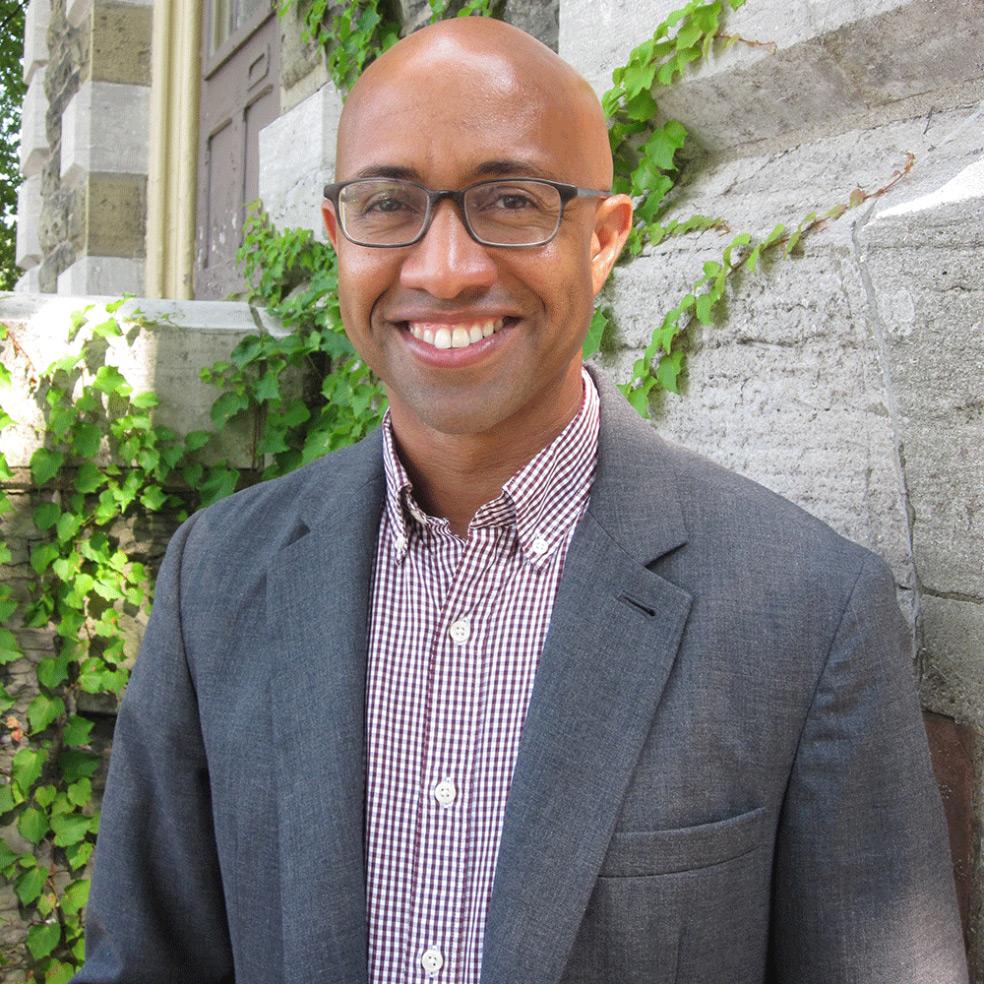
Noliwe M. Rooks, the W.E.B. Du Bois Professor of Literature in Africana Studies and the American Studies Program, knows that the lived experience can be the spark that leads to scientific insight and award-winning scholarly writing.
Thomas Hartman, assistant professor of physics, studies high-energy theoretical physics. His goal, he explains in this article in Cornell Research, is to bring to light the fundamental properties of nature, which derive from the subatomic world of quantum physics.
Goldwin Smith Professor of Ecology and Evolutionary Biology Kelly R. Zamudio studies amphibians, especially frogs, combining field work and observation of behavior with genetics and genomics to glimpse the genetic processes underlying species traits. Recently her lab has turned that expertise to studying two virulent fungi of the genus Batrachochytrium, commonly called chytrids, that affect frogs and salamanders.
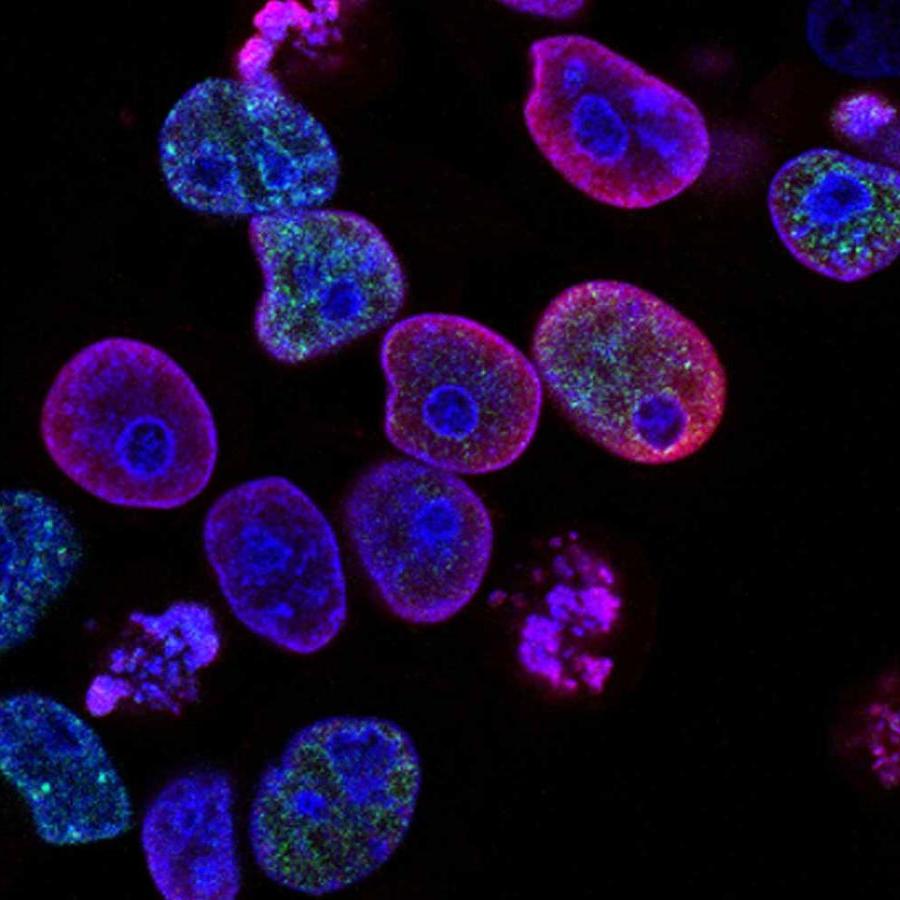
Justin J. Wilson, a professor of Chemistry and Chemical Biology, is expanding on existing chemotherapeutic treatments by investigating the biomedical application potentials of other heavy transition metals, particularly compounds of the element rhenium, in order to develop a more targeted approach to halting cancerous cell division.
Associate Professor of Psychology, David Smith's research aimed at understanding how the brain stores information has implications ranging from recognizing teachers in the grocery store to neurodegenerative diseases.
The research of Charles Aquadro, professor of molecular biology and genetics and director of the Cornell Center for Comparative and Population Genomics, is featured in this Cornell Research story.A population geneticist, Aquadro looks at changes in genetic variability in populations over time and space.
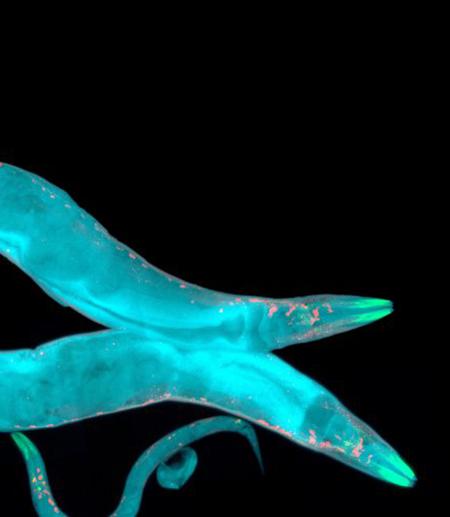
This Cornell Research story focuses on the work of Jun "Kelly" Liu, professor of molecular biology and genetics, whose lab uses c. elegans nematodes to explore questions that improve the general understanding of developmental processes, stem cell biology and cellular reprogramming, and fundamental mechanisms involved in cell-cell signaling.
… at 18,000 feet in the Atacama Desert of Chile and deployed for first light in 2021. The Simons Observatory will be … with a target date for first light in the early 2020s. “Everyone is looking for it, but no one has found it yet. It’s … trying to measure in the CMB is so tiny, we have to design very sensitive telescopes and put them in the driest places …
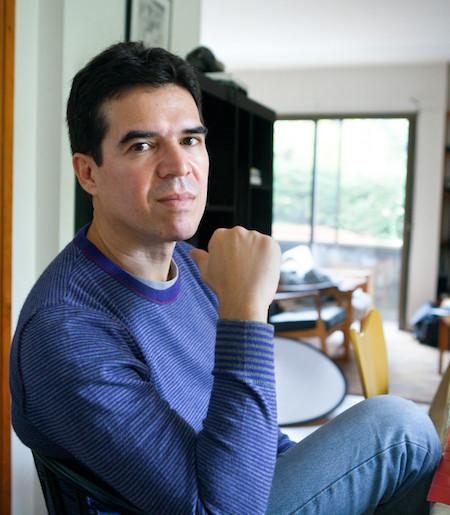
This Cornell Research profile explores the work of Edmundo Paz-Soldán, professor of Spanish literature in the Department of Romance Studies.The story says that Paz-Soldán initially shied away from devoting his life to literature.
How do nations decide when to go to war? What are the rules that govern when it is permissible to resort to war under international law? This Cornell Research profile of History Professor Isabel Hull explores her research into situations when war has been deemed permissible, specifically at what history tells us—the period 1814 to 1914 and the criteria known as jus ad bellum.
Vivekinan L. Ashok, a Cornell Presidential Postdoctoral Fellow, is working with Peter K. Enns, associate professor of government, and other Cornell researchers, including Suzanne Mettler,The John L.
This Cornell Research story focues on the work of Chih-chun Lin, Cornell Presidential Postdoctoral Fellow in the in the lab of Andrew G. Clark, professor of molecular biology and genetics.
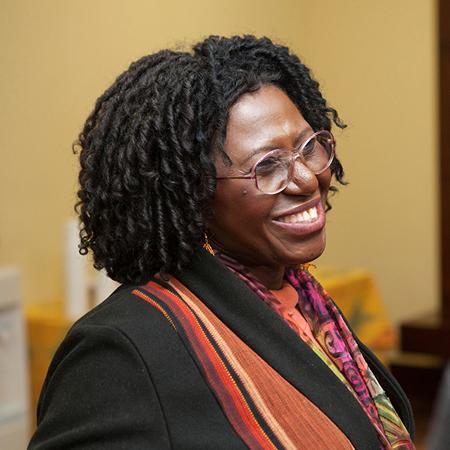
“The world we have is a world created by humans,” says N’Dri T. Assié-Lumumba, professor of Africana Studies and Research. “So we have the capacity to create another world, to imagine that world, and to work toward it. That is the passion that guides my work.”
For many people, theater is pure entertainment, the chance to experience some great acting or to enjoy the glitz of an extravagant production. But beneath the surface, there is another aspect to the art, one that Bruce A. Levitt and Beth F. Milles, professor and associate professor, respectively, in performing and media arts, address.
The flight capabilities of insects are nature’s solution to locomotion in air, according to Z. Jane Wang, Physics, and there are general principles of locomotion and evolution we can learn from them.
The National Science Foundation awarded Cornell $9 million over five years to establish a neurotechnology hub, dedicated to developing new technologies for imagine the brain, then disseminating them to the wider neuroscience community.
Climate change is a game changer: glaciers melt, sea levels rise, weather patterns become unpredictable. Garcia is exploring its impacts in her latest book project, "Climate Refugees: The Environmental Origins of Refugee Migrations," which looks at environmentally driven migrants.
“I write in books, not in individual poems,” says poet Lyrae N. Van Clief-Stefanon, English. “A group of poems that make up a book will have an over-arching through line, all these threads that I’m holding together.”
The world is full of languages and dialects—more than 7,000. Across these languages, many possible sounds can be combined into words. While there may be similarities in words between closely related languages, for years linguists have believed that the relationship between the sound of a word and its meaning is completely arbitrary. Recently Morten H. Christiansen, Psychology, collaborated with fellow researchers to investigate whether that belief might need to be reappraised.
From our earliest history, humans have contemplated the cosmos. Before we had an inkling of the nature of our own solar system, we wondered at the composition of our sister planets. And long before we knew there were planets orbiting other stars, we wondered if we, earth-bound beings, were alone in the universe.
Everywhere we turn in modern Western society, we run into the influence of economics. Our worldview, and our very language, is colored by it. We worry that politicians can be bought and sold. We give credit to those who can afford a comfortable retirement. We debate the price of a free society as police clash with protestors.