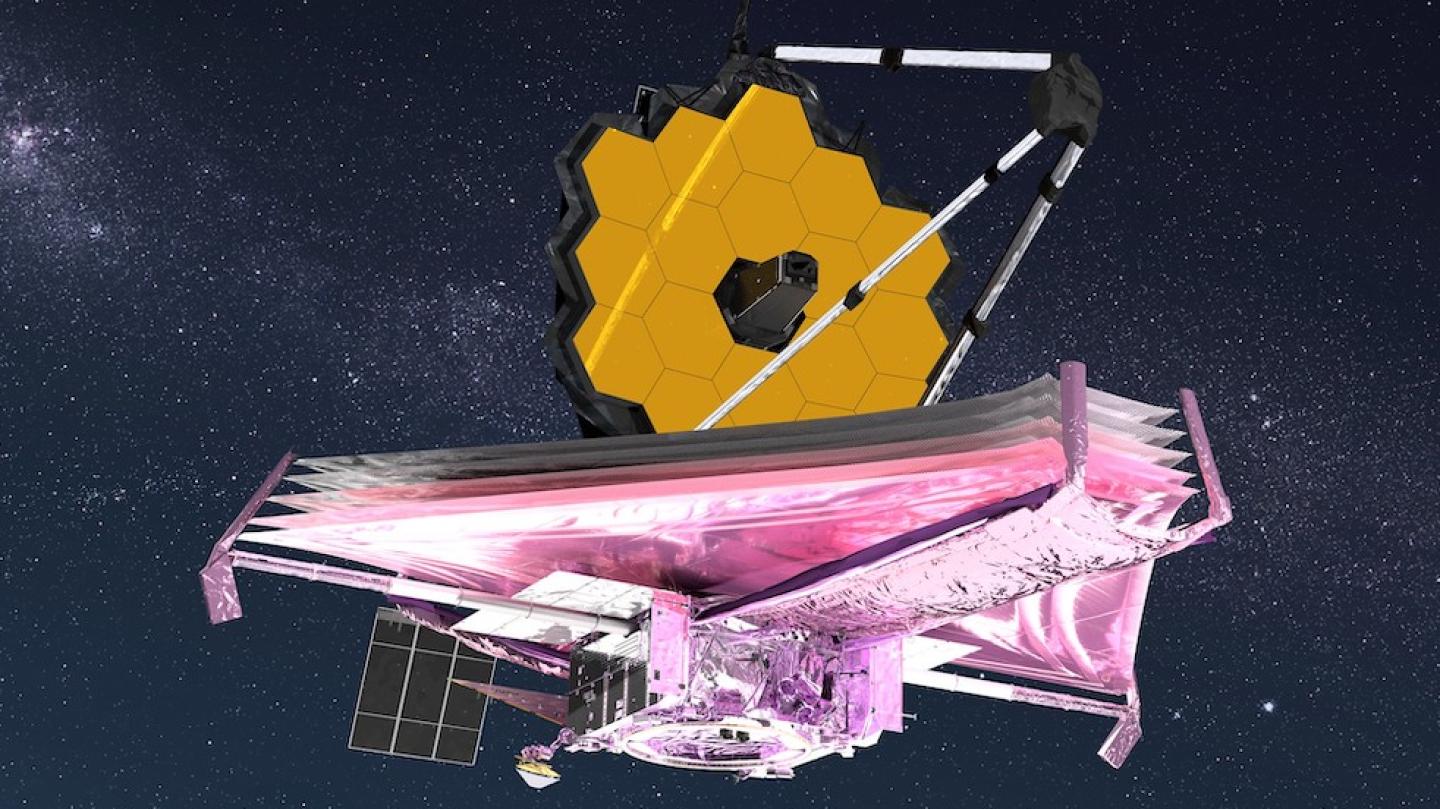
As of 2022, close to 5,000 exoplanets have been found outside our solar system. Nikole Lewis, assistant professor of astronomy and deputy director of the Carl Sagan Institute, will be one of the first to characterize distant exoplanets using infrared data from the newly launched James Webb Space Telescope.
The proliferation of new exoplanet discoveries is a gold mine for Lewis, a planetary scientist who studies the physics and chemistry that shape worlds beyond Earth. In particular, she looks for planets that exhibit relatively unique properties.
“I like to find the unusual,” Lewis says in a Cornell Research profile. “And then I think about how those unique processes may indicate something we scientists haven’t thought about before. I also explore why we don’t see those same processes happening on Earth, or maybe even on any of the other planets in our solar system.”
Read the story on the Cornell Research website.
More News from A&S


Reeve Parker, professor emeritus of literatures in English, dies at 89
Literatures in English