Our research activities and academic programs are remarkably broad, but they share one characteristic: all are curiosity-driven. Exploring the unknown is central to our mission to be the nexus of discovery and impact.
Explore research and discoveries
Photo by Kumpan Electric on Unsplash
Photo by Kumpan Electric on Unsplash
Provided
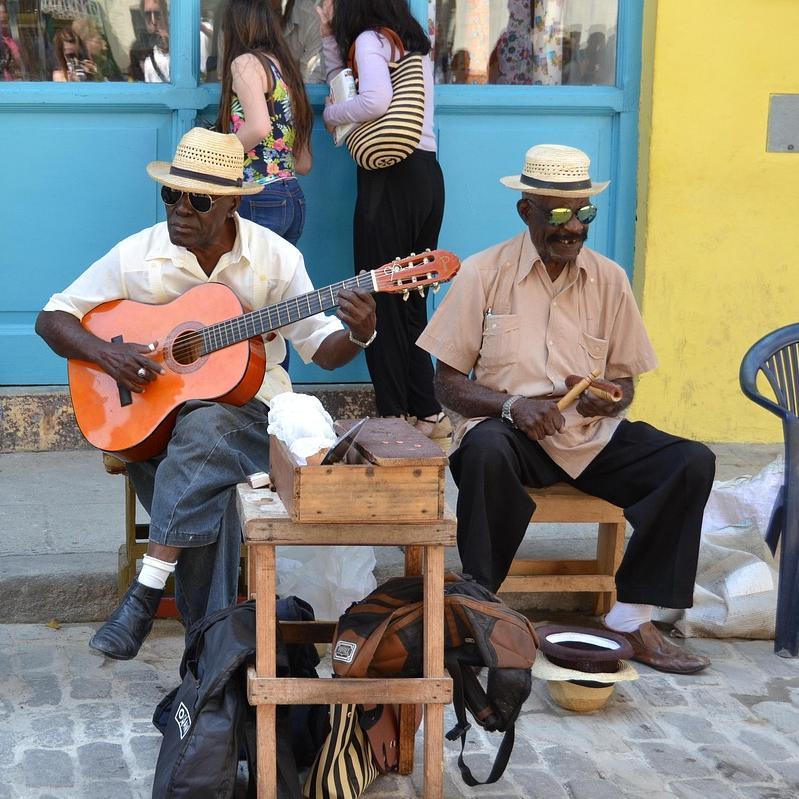
Orlando Xavier performs with the Berkeley hardcore band Special Forces.
Provided
Orlando Xavier performs with the Berkeley hardcore band Special Forces.
Provided
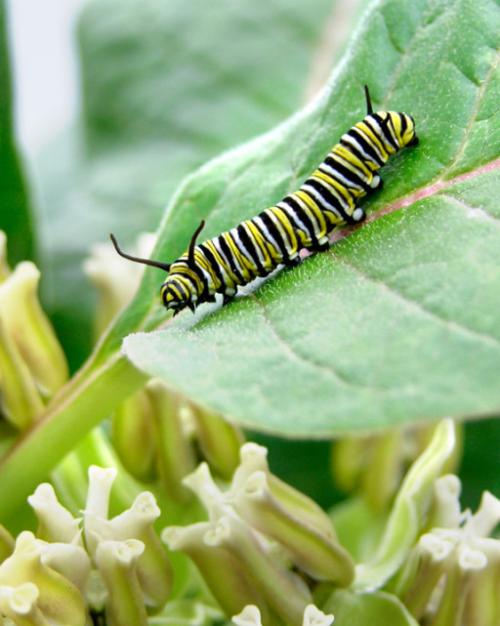
Cornell researchers have uncovered a new strategy milkweed uses to fight monarchs: upgrading the structure of its toxins.
Provided
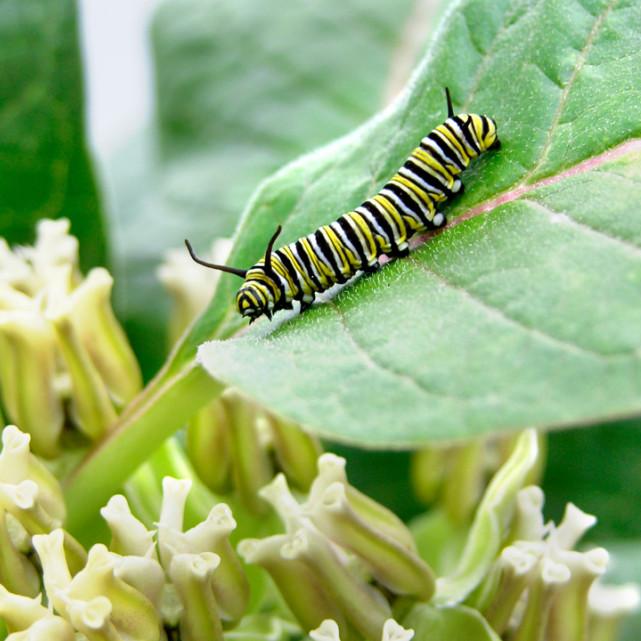
Cornell researchers have uncovered a new strategy milkweed uses to fight monarchs: upgrading the structure of its toxins.
Get ready to expand your life and experience beyond the classroom, and to let your curiosity drive your ambitions. The College of Arts & Sciences embodies Ezra Cornell’s founding vision where "any person can find instruction in any study."
The innovative undergraduate curriculum at A&S has distribution requirements that range from global citizenship to physical sciences to ethics and the mind. Classes build upon each other and cross the boundaries of traditional academic fields. Extensive work occurs outside of your major and minors, and there are no required core courses. Work closely with inspiring faculty to develop the hallmark skills of a liberal arts and sciences education – the ability to read critically, write persuasively and think broadly.
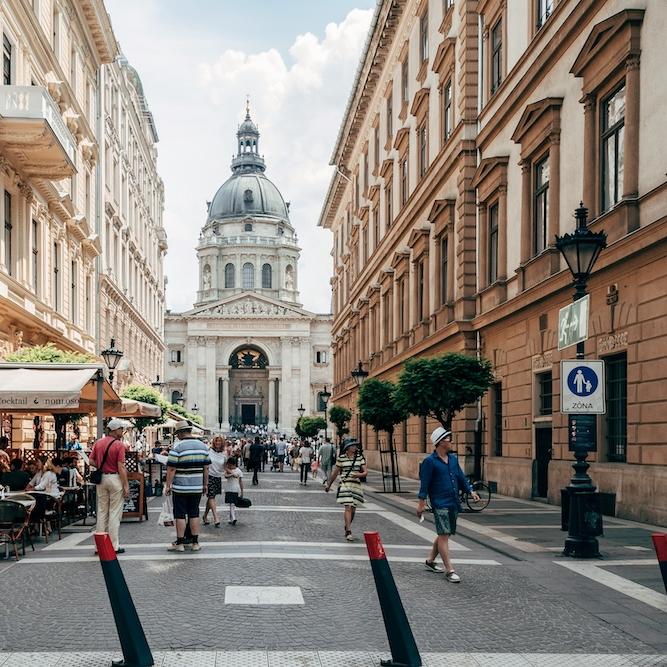
As a European Studies minor, you will have the opportunity to explore Europe’s past, present, and future and to demonstrate a knowledge of European languages, culture, history, politics, and international relations. Through an interdisciplinary curriculum that you can mold to your interests, the minor offers you the chance to take courses across colleges and subjects that exemplify your understanding of a globalizing world, while also providing you with an area of expertise. You will gain invaluable critical thinking skills, language abilities, and helpful frameworks for assessing today’s most pressing issues in Europe and around the world.
This multifaceted minor is provided through the Institute for European Studies at the Mario Einaudi Center for International Studies, and is available to all Cornell undergraduates. Sample Courses: Modern European Politics Introduction to Spanish Urban Design, Architecture, and Art in Renaissance and Baroque Rome German in Business Culture
As a science & technology studies major, you’ll explore the social and cultural aspects of science and technology and be encouraged to ask informed and penetrating questions about the social forces that shape science and technology, the limits of scientific authority and the role of technology in modern life.
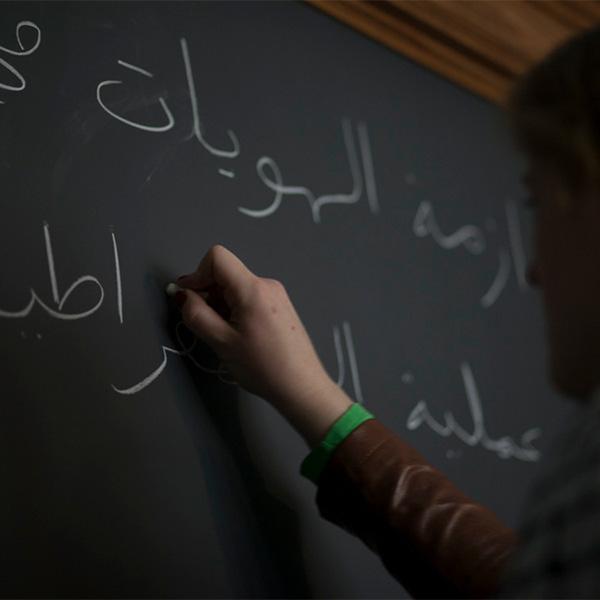
The undergraduate minor in Arabic is intended for Cornell students who wish to broaden and deepen their competence in the Arabic language and knowledge of Arab culture. Such linguistic competence and knowledge have helped Cornell students in the past obtain positions in government agencies and think tanks and to enroll in the most competitive Arabic programs in this country.
The Robert S. Harrison College Scholar Program represents the pinnacle of the liberal arts experience at Cornell. The program is focused on a small group of stellar students whose interests transcend disciplinary boundaries. These students have demonstrated exceptional promise and maturity to plan and carry out a well-designed individualized program of study and research. Students design their own interdisciplinary major, organized around a question or issue of interest, and pursue a course of study that cannot be found in an established major.
College Scholars explore subjects with a broader integration of related disciplines than most students would attempt. They pursue their subjects using advanced, often graduate-level, techniques. As a capstone to their studies, all Scholars undertake an independent senior project, usually culminating in an honors thesis. It is a unique opportunity within the College of Arts & Sciences for engagement and learning, in the classroom and beyond.
As a German studies major, you’ll gain proficiency in reading, speaking and writing German, become acquainted with the culture of German-speaking countries and develop skills in reading, analyzing and discussing German texts in relevant disciplines. Majors pursue individual interests in courses addressing literature and philosophy, culture and society, aesthetics and media, as well as critical and political thought. In consultation with the director of undergraduate studies, courses with a substantial German component from other departments may also be included for the major.
With a minor in the History of Capitalism, you’ll be exposed to different perspectives on how capitalism has been defined and how it developed at different times and in different parts of the world, enabling you to critically reflect on economic institutions and ideas, as well as to understand how our global economy has come to be. You’ll gain the basic vocabulary of economics and business, deepened with a longer, critical perspective on the development of capitalism. This minor is offered collaboratively with courses from across the university, coordinated by the Department of History.
As a Near Eastern studies major, you’ll have the opportunity to acquire language skills as well as familiarity with the history, cultures, literatures and religions of the Near East/Middle East from antiquity to the modern day. You’ll become acquainted broadly with the region – which extends from Turkey east through Iran and Afghanistan, south through the Arabian Pennisula to Yemen and across north Africa from Egypt to Morocco — and its cultures and be able to study a particular subfield in depth. Special focus is given to the ancient east Mediterranean and Mesopotamian regions and to the Levant and Egypt.
The interdisciplinary Caribbean Studies Minor (CSM) prepares students to understand the region as a site foundational to modernity that remains essential to understanding the present. Courses offered by this minor are designed to provide students with the analytical framework necessary to understand the sociocultural, economic, and political forces that shape the region as well as how those forces—indigenous dispossession, slavery, capitalism—resonate well beyond the geographical space of the Caribbean. Interdisciplinary by nature, the CSM provides a structured yet flexible array of coursework that cuts across history, culture, and the social sciences. Courses in the arts and humanities draw attention to the historical import of the region; how the Caribbean is constructed across various sites and discourses; and how this construction shapes policy realms and everyday life. Social science perspectives illuminate tools for analyzing cultural heterogeneity; the roles of the state, civil society, and ethnic networks; and the way that Caribbean residents and migrants navigate their transnational realities. Students will be introduced to multiple methodologies and will have the opportunity to pursue research in the Caribbean or Caribbean diasporic communities.
The minor is offered collaboratively with courses from across the university through the Department of History, administered by the Latin American and Caribbean Studies Program. For more information on the minor and a list of approved courses, please see the program site.
Our Astrobiology minor is designed so that to educate students interdisciplinary, covering a variety of scientific disciplines, which will contribute to their general understanding of the search for life in the universe, the origin of life on Earth, the evolution of life on Earth, possible life in the Solar System and on Earth-like planets orbiting other stars. The goal of this minor is to develop students' critical thinking, literacy in astrobiology so that they can critically evaluate news and claims related to this interdisciplinary field.
Details
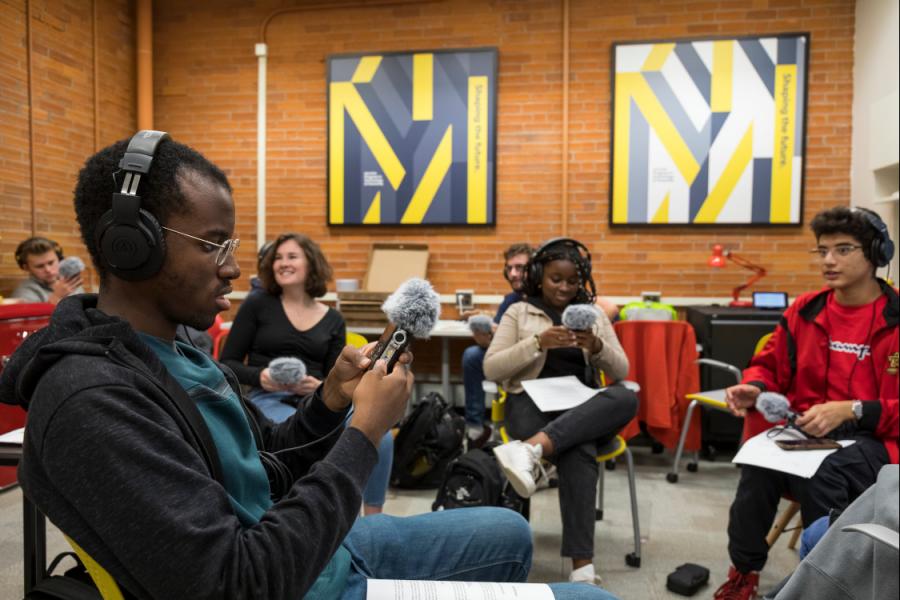
The Science Communication and Public Engagement minor is designed for undergraduates who are interested in the sciences and/or engineering and would like to learn how to use a wide variety of communication tools for engaging publics, including non-technical audiences and policymakers. Students completing the minor will develop an identity as someone who can contribute to the public understanding of science.
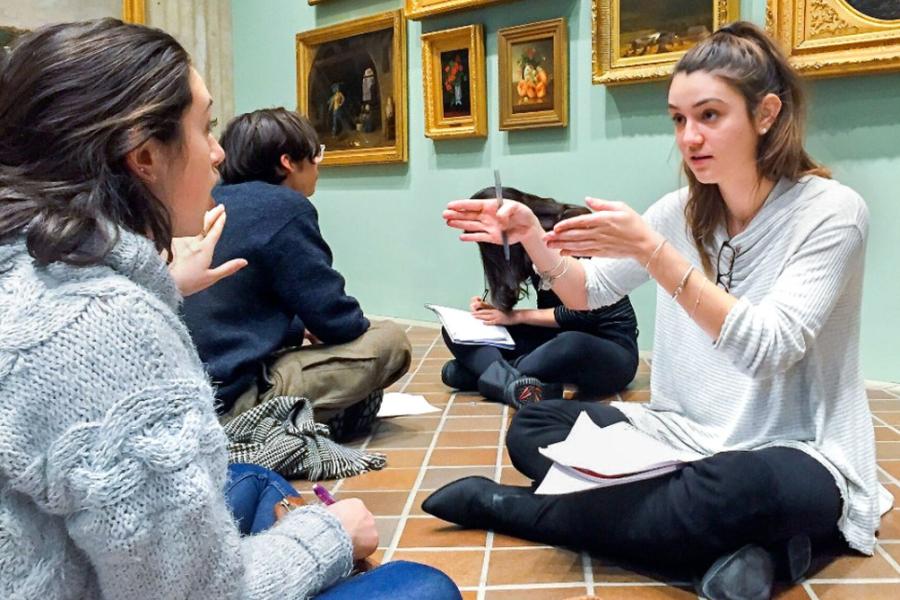
Michael Goldstein/Provided
College Scholars Program students from the College of Arts & Sciences visit the Johnson Museum.
The pinnacle of the liberal arts experience
Robert S. Harrison College Scholar Program
Students design their own interdisciplinary major, organized around a question or issue of interest, and pursue a course of study that cannot be found in an established major. Harrison College Scholars explore subjects with a broader integration of related disciplines than most students would attempt.
Jesse Winter
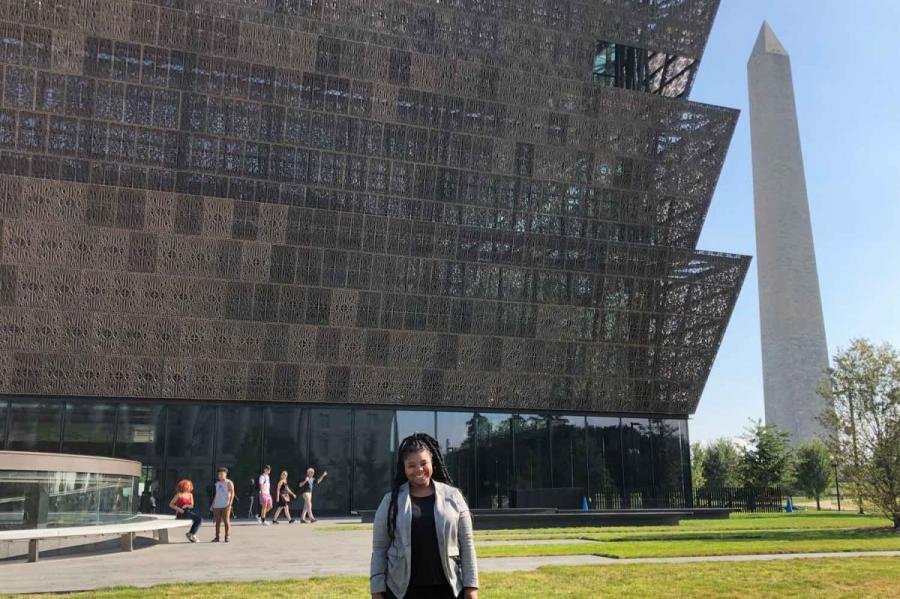
Louise Wang outside the Manhattan Criminal Courthouse, where she worked this summer, in New York City.
A deep dive into the humanities
Humanities Scholars Program
This program offers a signature learning, research and collaboration opportunity for undergraduate students across the university who are interested in the humanities.
Students in the Milstein Program in Technology & Humanity combine Cornell’s renowned liberal arts and sciences classes in Ithaca with the 21st century tech curriculum at Cornell Tech in NYC.
Summer opportunities are crucial to student career success, but these life-changing experiences frequently offer little to no funding. That’s a critical barrier for many of our students – and one that the College of Arts and Sciences feels is vital to overcome.
The Summer Experiences Grants (SEG) do just that. They support students with living expenses, transportation, and travel so that these essential experiences are available to all of our students, who may otherwise not be able to afford them.
Research, scholarship and creative works to understand humanity and the cosmos
Curiosity is the driver for research in A&S. From the dendrochronology lab where archaeologists analyze tree-ring growth to understand climate change to the linguistics department where students created a new language for a Captain Marvel movie, our students and faculty take full advantage of all that our world-class research university encompasses.
With opportunities spanning the natural sciences, social sciences and humanities, research here takes place in laboratories, museums, field sites, libraries, hospitals, greenhouses, performance spaces and archives.
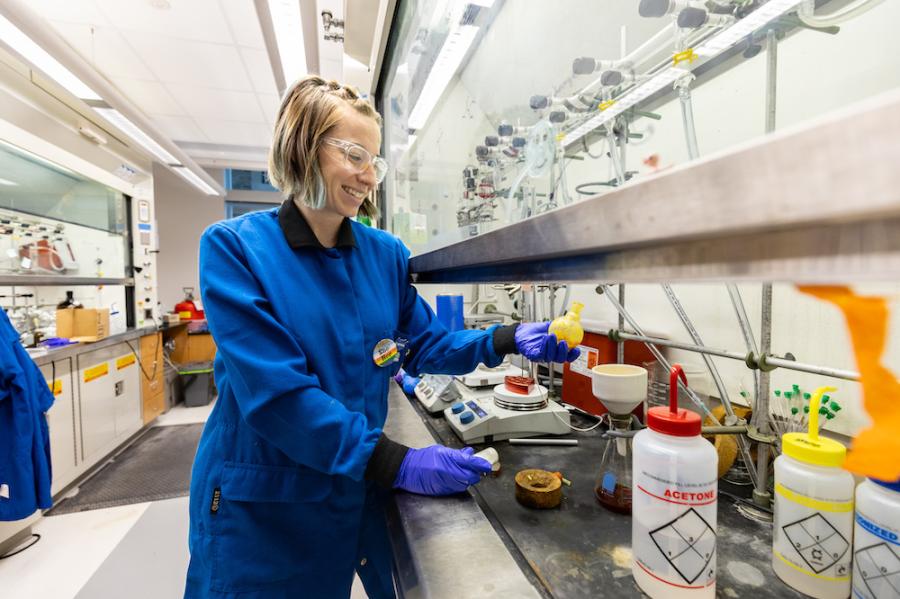
Chris Kitchen
Alexa Easley is working to develop materials for low-energy carbon capture that are organic and easy to make on large scales and in realistic conditions.
Premier postdocs
Klarman Fellowships
This premier postdoctoral fellowship program offers opportunities for early-career scholars of outstanding talent, initiative and promise to devote themselves to frontline, innovative research without being tied to specific outcomes.
Chris Kitchen
Students Sneah Singhi ’26, left, and David Behdad ’25 work in the observation room at the B.A.B.Y Lab, which studies infant language acquisition.
Undergraduate research opportunities
Nexus Scholars Program
The Nexus Scholars Program in the College of Arts & Sciences provides undergraduate students with summer opportunities to work side by side with faculty from all across the college (humanities, social sciences, and STEM) on their research projects.
Chris Kitchen
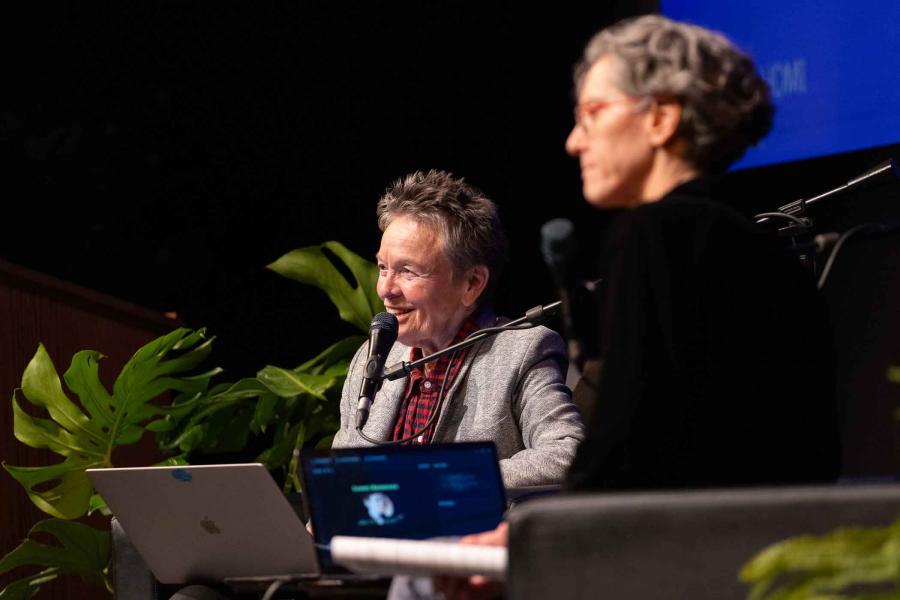
Anderson, left, and Peraino, right traced the arc of Anderson's multi-decade career.
Open your mind
Arts Unplugged series
The College of Arts & Sciences’ Arts Unplugged series brings research and creative works into the public sphere for discussion and inspiration. These outreach events invite a broad audience to explore the work of scholars and faculty from all disciplines, all backgrounds and all time periods and to celebrate the impact that work continues to have on our daily lives.
Noël Heaney/Cornell University
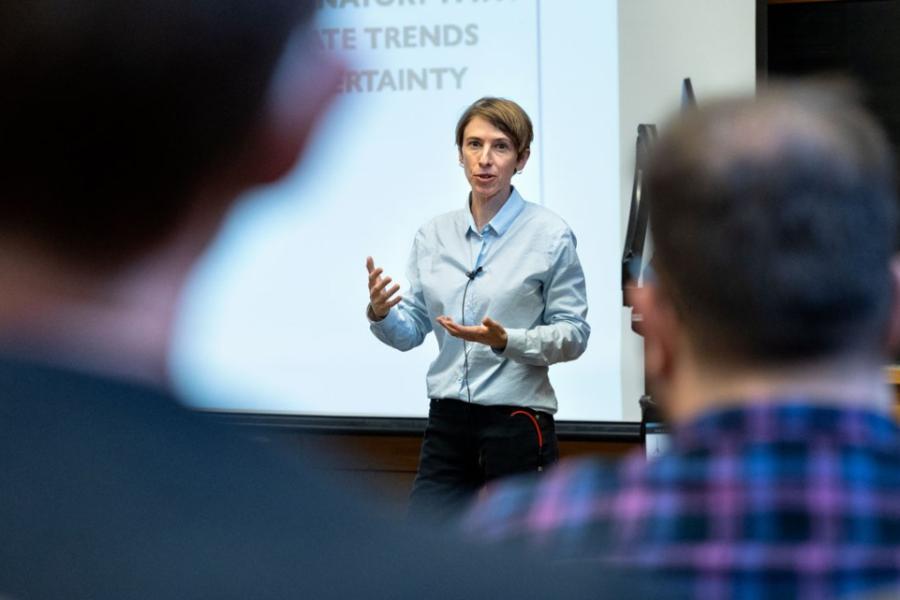
Natalie Wolchover speaks March 15 in Lewis Auditorium.
Engagement for an informed society
Distinguished Visiting Journalist Program
The College of Arts & Sciences' Distinguished Visiting Journalist Program brings accomplished journalists to Cornell for extended visits. The program aims to recognize excellence in journalism and to provide opportunities for select journalists and the university community to engage with each other.
Touch Of Light/Creative Commons license 4.0
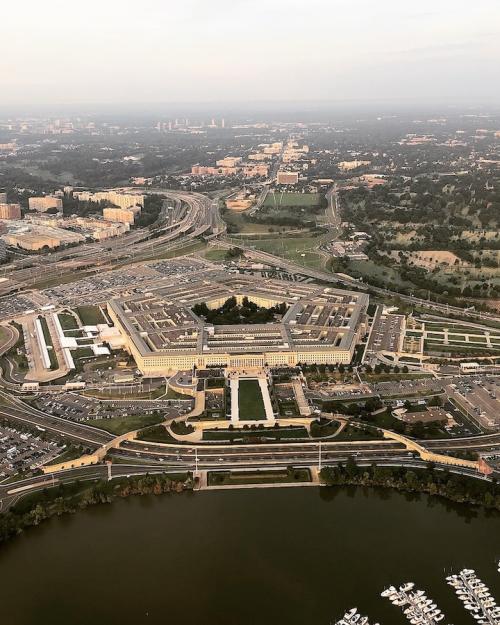
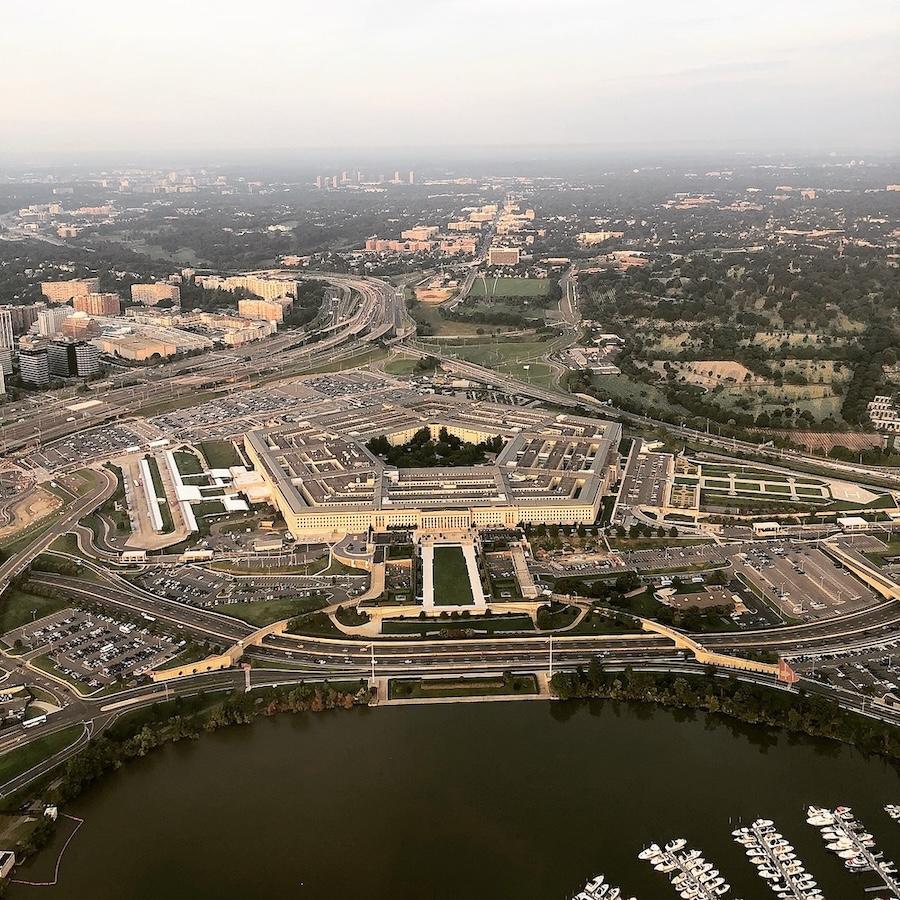
The Pentagon, headquarters of the US Department of Defense
Touch Of Light/Creative Commons license 4.0
The Pentagon, headquarters of the US Department of Defense
Christine Matthews, CC BY-SA 2.0 <https://creativecommons.org/licenses/by-sa/2.0>, via Wikimedia Commons
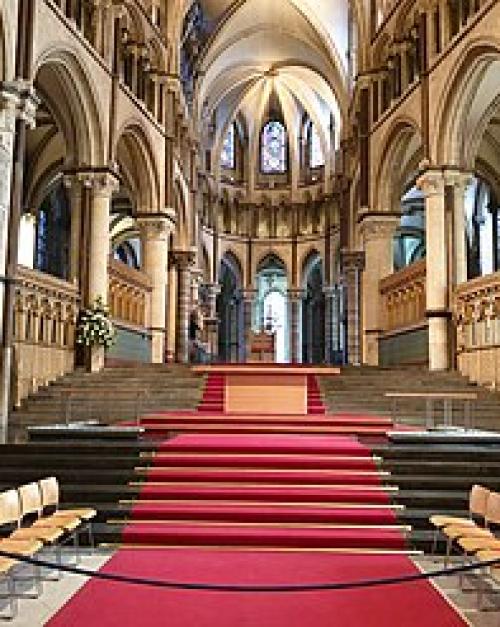
Interior of Canterbury Cathedral, Canterbury
Christine Matthews, CC BY-SA 2.0 <https://creativecommons.org/licenses/by-sa/2.0>, via Wikimedia Commons
Interior of Canterbury Cathedral, Canterbury
Mass Communication Specialist 2nd Class Michael H. Lehman/U.S. Navy photo
The guided-missile destroyer USS Lassen (DDG 82) escorts the merchant vessel Tomahawk through the Strait of Hormuz.
Mass Communication Specialist 2nd Class Michael H. Lehman/U.S. Navy photo
The guided-missile destroyer USS Lassen (DDG 82) escorts the merchant vessel Tomahawk through the Strait of Hormuz.
Lance Cpl. Brendan Mullin/U.S. Marine Corps photo
Amphibious transport dock ship USS Somerset (LPD 25) with embarked 15th Marine Expeditionary Unit (MEU) transit the Strait of Hormuz in 2021
Lance Cpl. Brendan Mullin/U.S. Marine Corps photo
Amphibious transport dock ship USS Somerset (LPD 25) with embarked 15th Marine Expeditionary Unit (MEU) transit the Strait of Hormuz in 2021