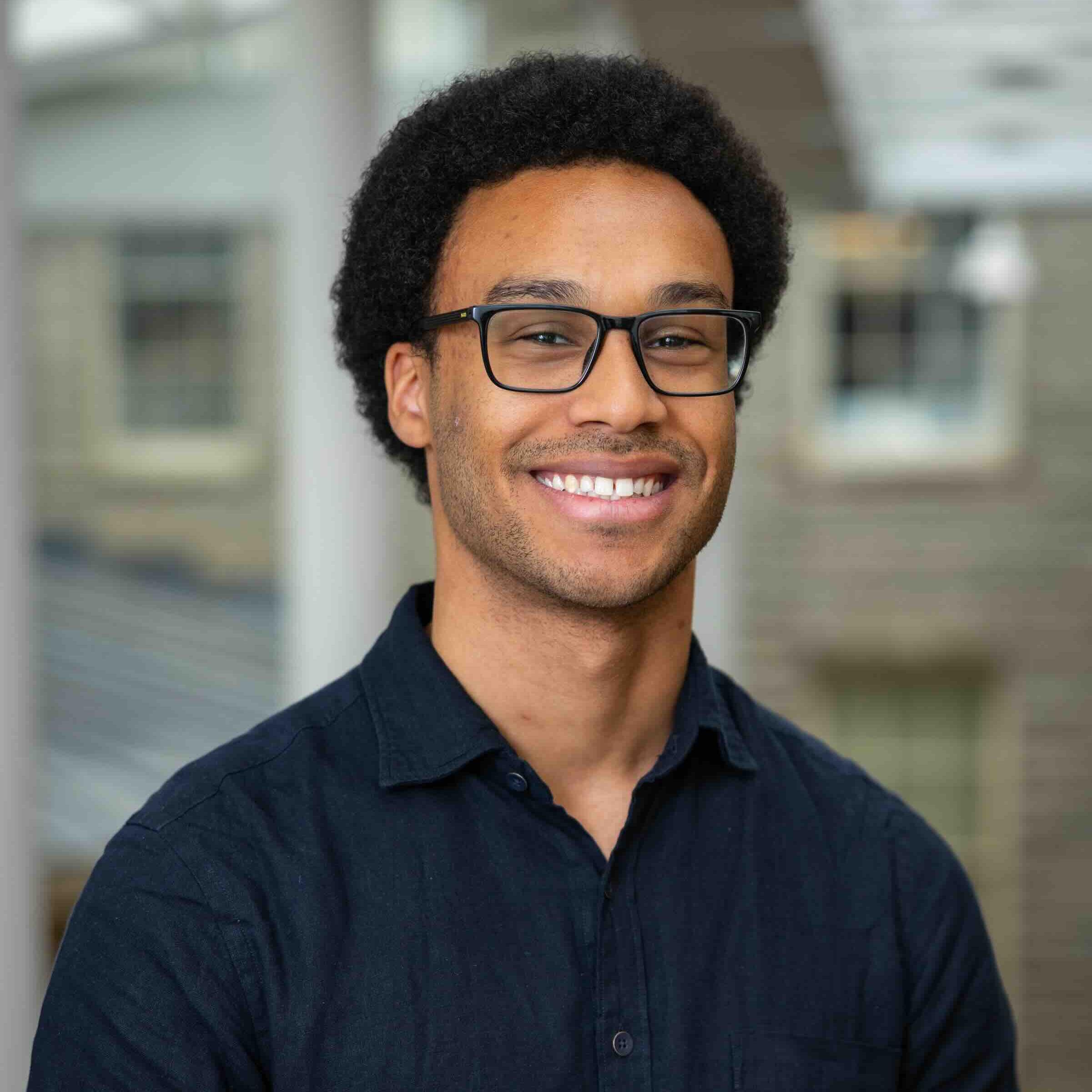
Osita Achufusi: Environment & Sustainability
'I feel equipped to handle whatever uncertainties lie ahead'
A&S Communications
Live, study and grow at the nexus of discovery and impact.
Our research activities and academic programs are remarkably broad, but they share one characteristic: all are curiosity-driven. Exploring the unknown is central to our mission to be the nexus of discovery and impact.






Courses offered in A&S of 4000 courses at Cornell.
Majors to choose in A&S. Design your education.
Students in A&S, each with an extraordinary journey to tell.
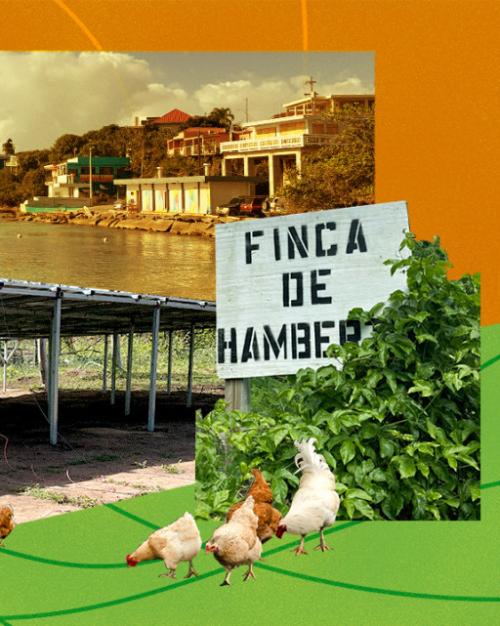
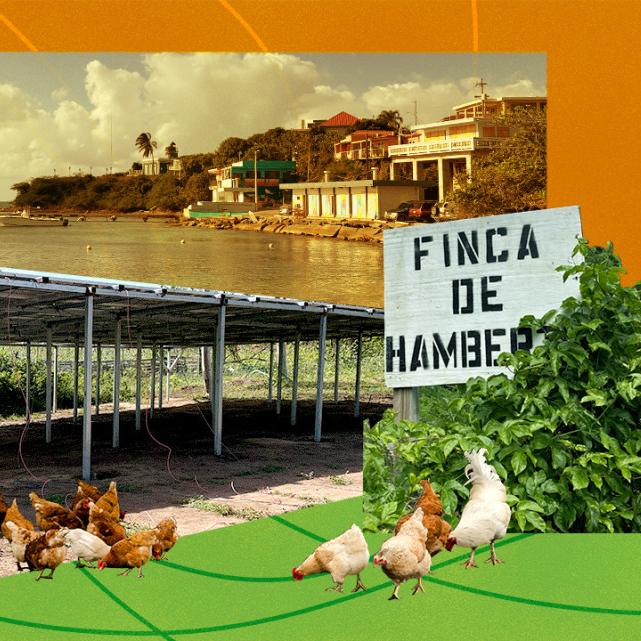
A&S alumni in our network. Go Big Red!
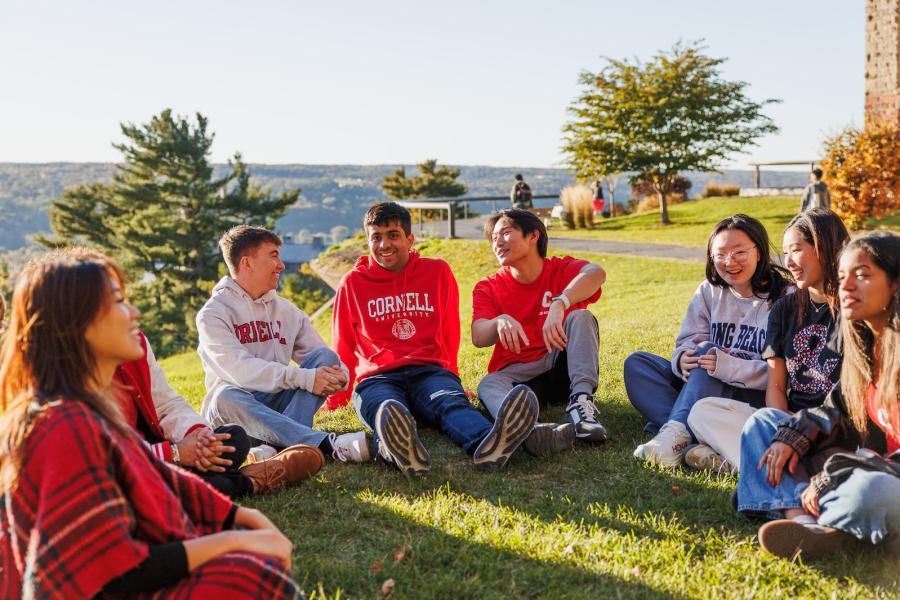
Welcome to the Big Red community.
Get ready to expand your life and experience beyond the classroom, and to let your curiosity drive your ambitions. The College of Arts & Sciences embodies Ezra Cornell’s founding vision where "any person can find instruction in any study."
The innovative undergraduate curriculum at A&S has distribution requirements that range from global citizenship to physical sciences to ethics and the mind. Classes build upon each other and cross the boundaries of traditional academic fields. Extensive work occurs outside of your major and minors, and there are no required core courses. Work closely with inspiring faculty to develop the hallmark skills of a liberal arts and sciences education – the ability to read critically, write persuasively and think broadly.
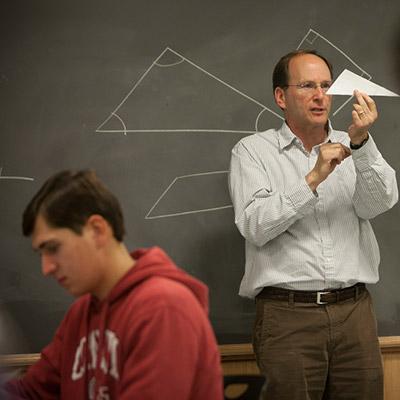
As a mathematics major, you can focus on the study of the theoretical aspects of mathematics or explore applications to other fields. You can choose one of seven different concentrations and take a rich variety of courses in analysis, algebra, topology, geometry, probability, statistics and logic to tailor a program that meets your individual needs and interests.
Details
The minor in Data Science equips students from any major with a solid understanding of the conceptual and methodological tools of data-driven discovery. Upon completing the minor, students will be ready to leverage competencies and skills to pursue careers in various fields and professions.
Details
As a statistical science major, you’ll have a home in two colleges: Arts and Sciences (A&S) and the Cornell Ann S. Bowers College of Computing and Information Science.
Statistical Science combines modern statistical methodology and computing with data science to solve problems through the science of learning from data and from measuring, controlling, and communicating uncertainty. The major is ideal for students interested in actuarial science, applied and mathematical statistics, data mining and visualization, machine learning, quantitative reasoning, statistical programming, and more.
Details
With a minor in medieval studies, you’ll enhance your enjoyment and understanding of the artistic and material relics of the Middle Ages. You can choose among a wide array of subjects spanning more than a thousand years of languages and cultures—from Old and Middle English literature to Byzantine monuments; from Icelandic sagas to Andalusian architecture; from Chinese intellectual history to Islamic legal history. You can explore how many of our current challenges in the fields of law, human rights, attitudes toward power, authority, gender relations and sexual mores derive from how such issues were formulated a millennium ago.
Details
As a history major, you’ll be able to take advantage of the department’s particular strengths in ancient, medieval and modern European history; American, Latin American and Asian history; as well as in a unique history of science program. In addition to a wide range of introductory and advanced courses that will help train you in critical thinking, superior organization and good writing skills, you can engage in independent research for credit.
Details
As a Classics major, you can immerse yourself in the cultures of ancient Greece and Rome through four different tracks (Classics, Greek, Latin, Classical Civilization) taking programs in ancient languages, literature, history, archaeology, history of art, science, linguistics and philosophy. Classics majors work closely with individual professors in their areas of expertise, often in small classes, and have many opportunities for independent research and travel. The rigorous analytical training characteristic of a Classics degree helps to develop skills that are valued in a wide variety of careers, as well as giving students a firm foundation for understanding the history of Western culture. With a minor in classics, you’ll conduct your own odyssey through the ancient Mediterranean world by taking any five coherent classics courses (above 1000-level) from one of four different tracks, acquiring proficiency in either Greek or Latin along the way: Classical literature Ancient history (with emphasis on either Greek or Roman) Ancient philosophy Classical art and archaeology
Details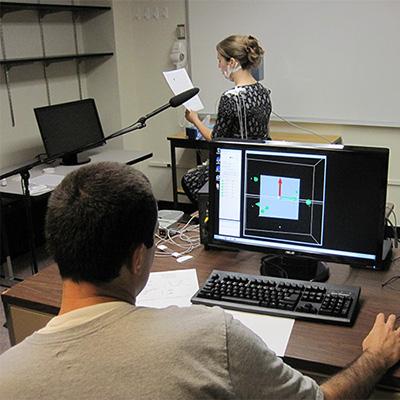
As a linguistics major, you’ll explore the fascinating phenomenon of human language. Through your coursework you’ll learn how language is structured, acquired and used in social interactions. You’ll also learn how language changes over time or how it can be modeled computationally. Coursework for the major includes foundation and core courses, leaving you the flexibility to develop programs of study that focus on your areas of special interest. Linguistics combines well with language study and related fields such as philosophy, psychology, computer science and anthropology.
Details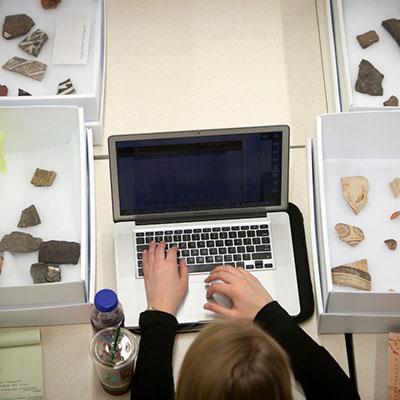
As an anthropology major, you’ll study the complex social and cultural relationships that define human communities and learn how to conduct engaged, collaborative, field-based research. You’ll be able to investigate topics ranging from identity politics and globalization to the origins of agriculture and the rise of empires. The settings you’ll explore can take you from the lowland rain forest of ancient Mesoamerica to the mountains of the Himalayas, from prisons in Latin America to a synagogue on New York City’s Lower East Side, from medical research centers in Tanzania to the colonial era Finger Lakes.
Details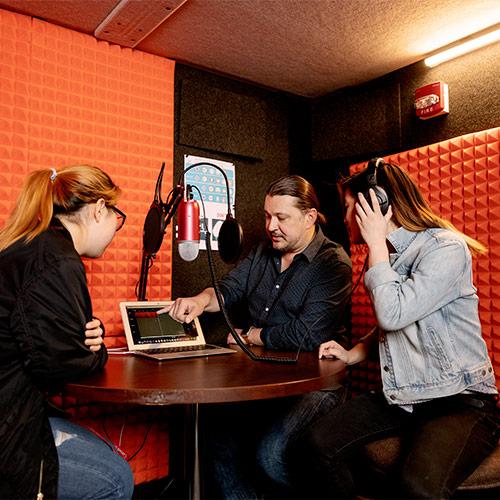
The Science Communication and Public Engagement minor is designed for undergraduates who are interested in the sciences and/or engineering and would like to learn how to use a wide variety of communication tools for engaging publics, including non-technical audiences and policymakers. Students completing the minor will develop an identity as someone who can contribute to the public understanding of science.
Details
With a Portuguese and Brazilian studies minor, you’ll gain a linguistic and cultural understanding of Brazil, including recent cultural, political, economic and social trends, as well as familiarity with cinema, music, literature, issues of race, class, and gender, and twentieth-century Brazilian history.
Details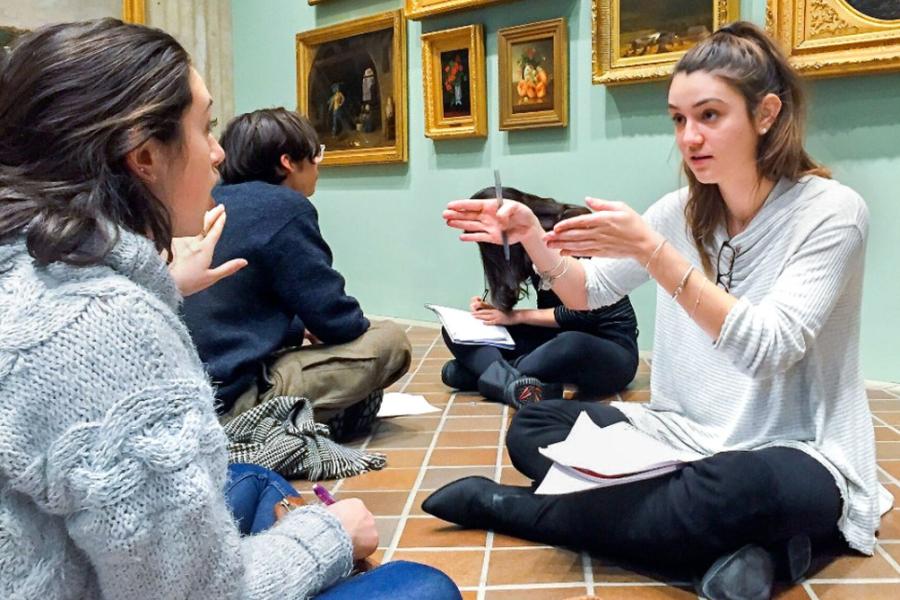
The pinnacle of the liberal arts experience
Students design their own interdisciplinary major, organized around a question or issue of interest, and pursue a course of study that cannot be found in an established major. Harrison College Scholars explore subjects with a broader integration of related disciplines than most students would attempt.

A deep dive into the humanities
This program offers a signature learning, research and collaboration opportunity for undergraduate students across the university who are interested in the humanities.
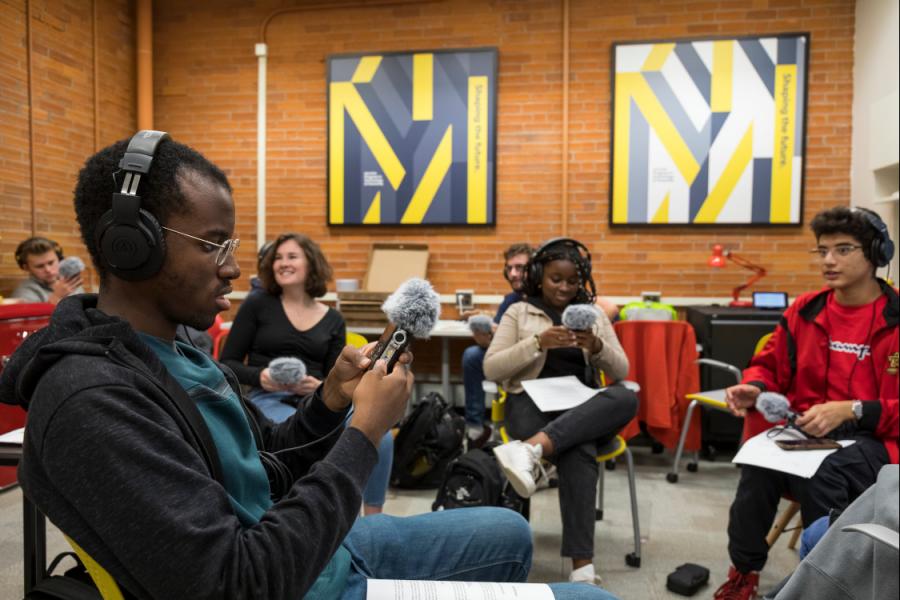
Shaping the future
Students in the Milstein Program in Technology & Humanity combine Cornell’s renowned liberal arts and sciences classes in Ithaca with the 21st century tech curriculum at Cornell Tech in NYC.
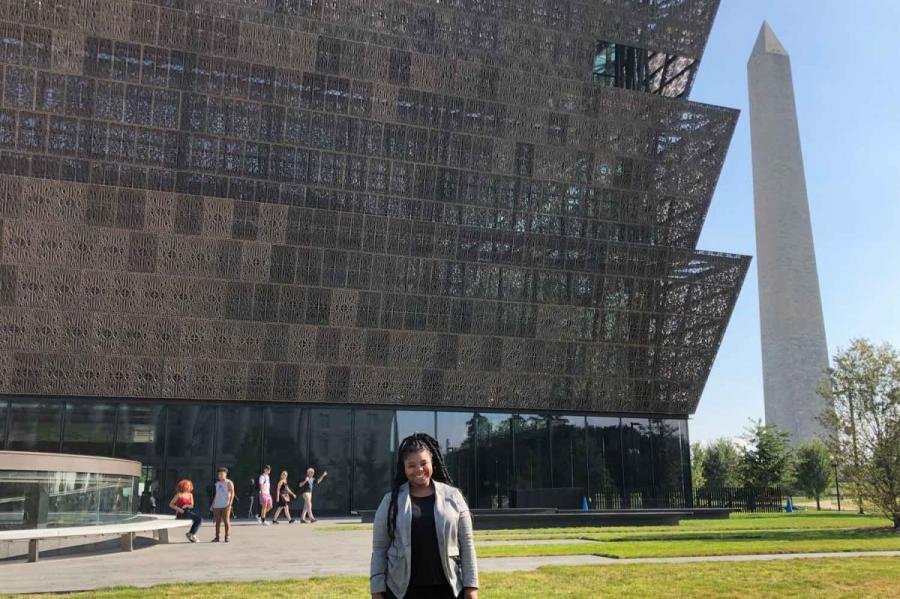
Funding your summer experience
Summer opportunities are crucial to student career success, but these life-changing experiences frequently offer little to no funding. That’s a critical barrier for many of our students – and one that the College of Arts and Sciences feels is vital to overcome.
The Summer Experiences Grants (SEG) do just that. They support students with living expenses, transportation, and travel so that these essential experiences are available to all of our students, who may otherwise not be able to afford them.
Curiosity is the driver for research in A&S. From the dendrochronology lab where archaeologists analyze tree-ring growth to understand climate change to the linguistics department where students created a new language for a Captain Marvel movie, our students and faculty take full advantage of all that our world-class research university encompasses.
With opportunities spanning the natural sciences, social sciences and humanities, research here takes place in laboratories, museums, field sites, libraries, hospitals, greenhouses, performance spaces and archives.
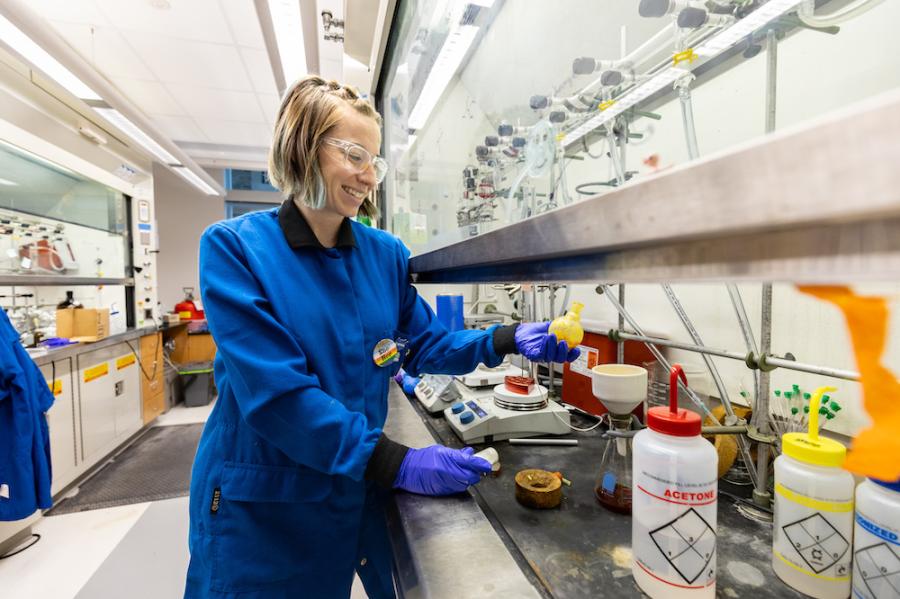
Premier postdocs
This premier postdoctoral fellowship program offers opportunities for early-career scholars of outstanding talent, initiative and promise to devote themselves to frontline, innovative research without being tied to specific outcomes.

Undergraduate research opportunities
The Nexus Scholars Program in the College of Arts & Sciences provides undergraduate students with summer opportunities to work side by side with faculty from all across the college (humanities, social sciences, and STEM) on their research projects.
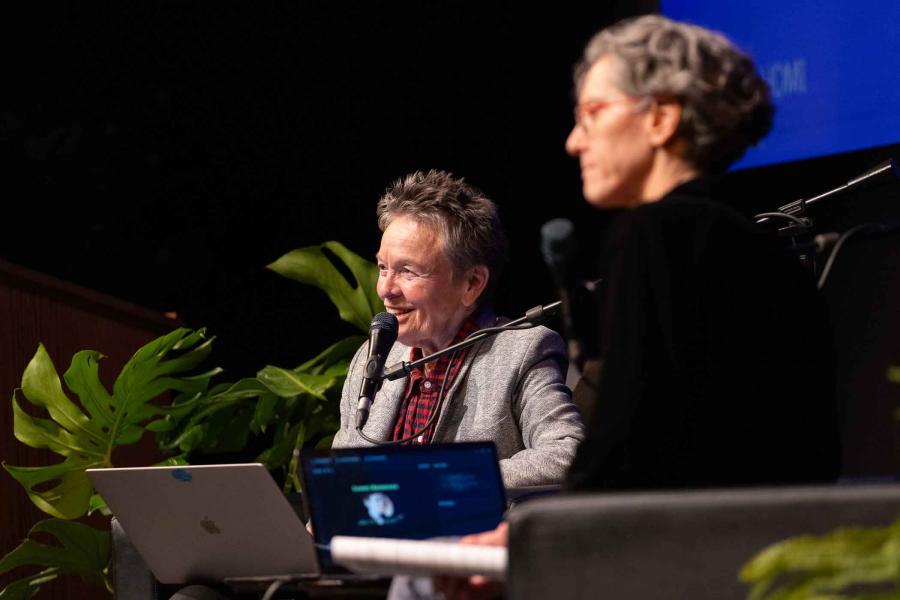
Open your mind
The College of Arts & Sciences’ Arts Unplugged series brings research and creative works into the public sphere for discussion and inspiration. These outreach events invite a broad audience to explore the work of scholars and faculty from all disciplines, all backgrounds and all time periods and to celebrate the impact that work continues to have on our daily lives.
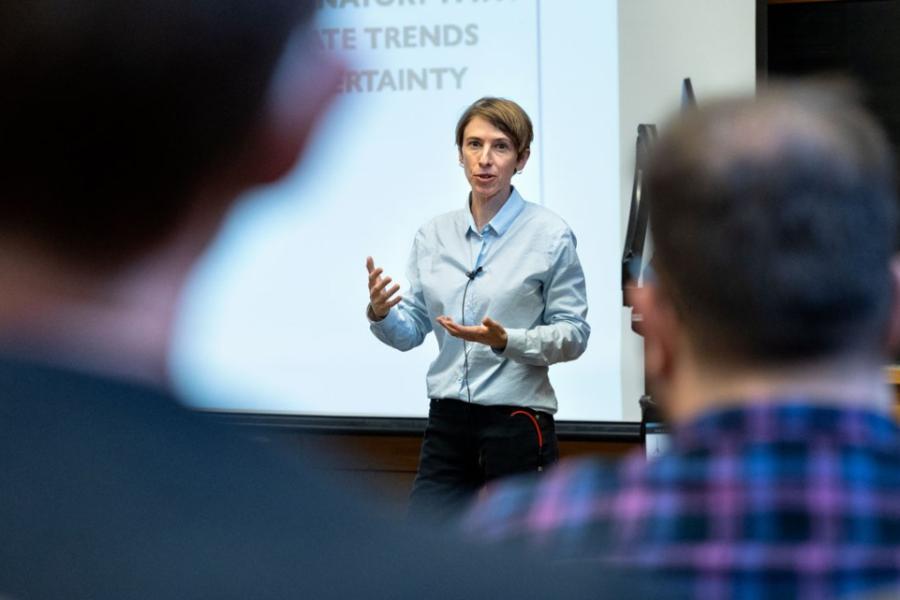
Engagement for an informed society
The College of Arts & Sciences' Distinguished Visiting Journalist Program brings accomplished journalists to Cornell for extended visits. The program aims to recognize excellence in journalism and to provide opportunities for select journalists and the university community to engage with each other.








Politico
Related people
Sarah Kreps
Related Departments
Government
US News & World Report
Related people
Grit Matthias Phelps
Related Departments
German Studies
New York Times
Related people
Suzanne Mettler
Related Departments
Government
US News & World Report
Related people
Sarah Kreps
Related Departments
Government
Location: Uris Library, 311
Location: Kahin Center
Location: Lincoln Hall, B20
Location: G90 Uris Hall