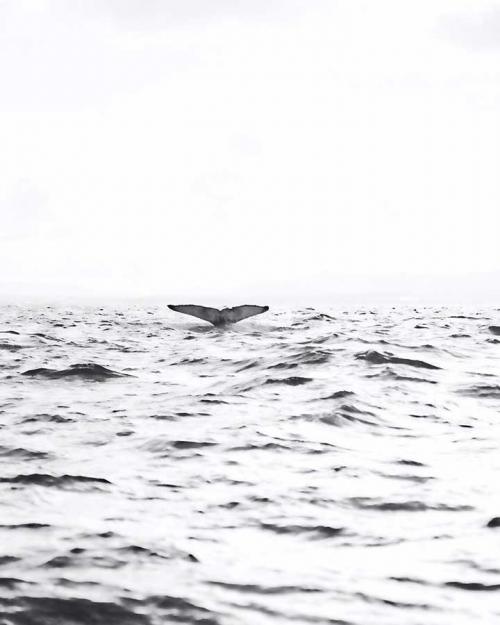
As an environmental historian and scholar of the 19th century, Aaron Sachs, professor of history, spends a lot of time thinking about how the past can help us confront current crises—especially climate change. In an op-ed in Salon, Sachs writes that he finds a lot of guidance in the 1800s, from the appreciation of wildness in “Walden” to the notebooks of Charles Darwin.
“But my nomination for the most helpful climate manual ever written might be a surprise: Moby-Dick,” Sachs writes in the piece. “What makes “Moby-Dick” especially relevant right now is that it offers a spur to solidarity and perseverance.”
More News from A&S


Annetta Alexandridis commemorated through installation, Oct. 31 memorial
History of Art and Visual Studies
A&S Communications

Shakespeare’s 'Twelfth Night:' Mad Love, Mad Music
Performing and Media Arts
Department of Performing & Media Arts

Pinkham’s ‘The Oak and the Larch’ wins Pushkin House Book Prize
Comparative literature
A&S Communications