… Graduate School … Additional Postgraduate Resources … Graduate School … Additional Postgraduate Resources … a career in academia, business, law or medicine, attending graduate school may be a requirement, but for many other … dental school, veterinary school and a host of other health graduate programs are common destinations for Arts & …
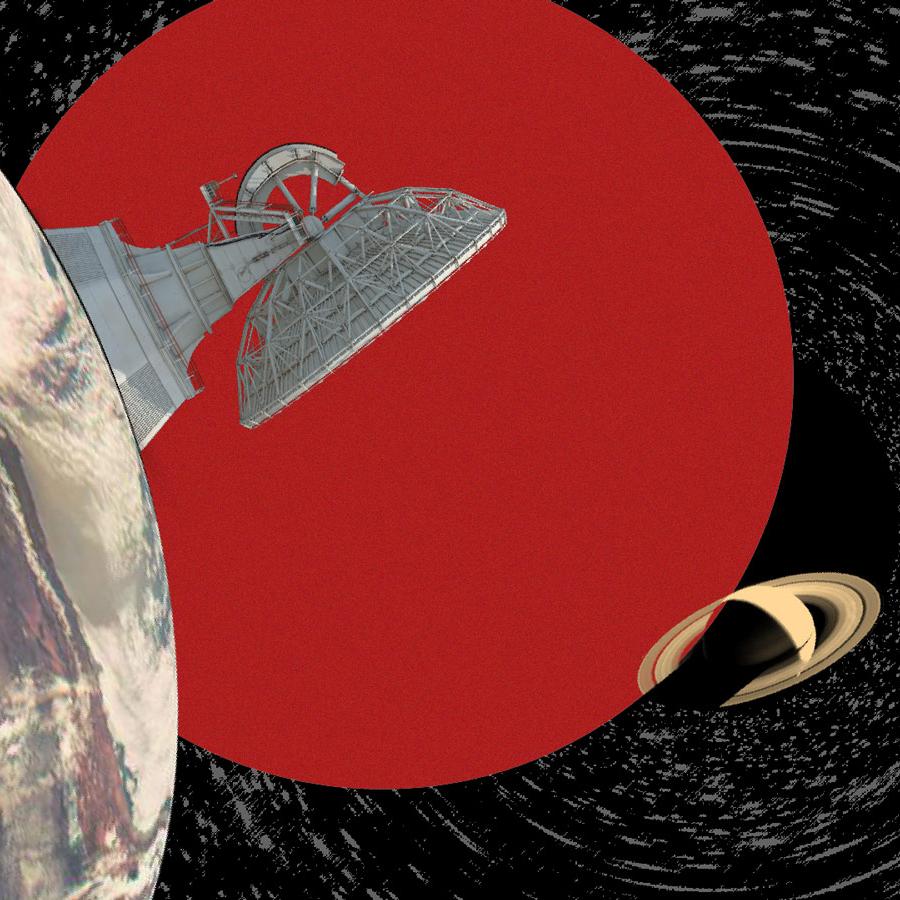
Since the early days of modern cosmic exploration, Cornell scientists have led the way, from guiding rovers through the red dust of Mars to searching for other life in the universe; and from modeling exotic stars to detecting the faint ripples of gravitational waves.
Cornell University researchers Héctor D. Abruña and David Muller developed a nickel‑carbon catalyst that delivers high hydrogen oxidation performance in alkaline fuel cells, surpassing U.S. DOE power density targets. Published in PNAS, this breakthrough demonstrates a durable, low‑cost, precious‑metal‑free path to scalable clean‑energy fuel cell technology.
Touch Of Light/Creative Commons license 4.0
The Pentagon, headquarters of the US Department of Defense
Anthropic challenges Pentagon designation as supply chain risk, sparking broader AI governance debate. Sarah Kreps of Cornell University highlights how the dispute exposes uncertainties in government–AI partnerships and future national security collaborations.
Christine Matthews, CC BY-SA 2.0 <https://creativecommons.org/licenses/by-sa/2.0>, via Wikimedia Commons
Interior of Canterbury Cathedral, Canterbury
Sarah Mullally’s historic installation as the first woman Archbishop of Canterbury highlights rapid institutional change within Anglicanism. Cornell University sociologist Landon Schnabel emphasizes how incremental reforms built support for her swift rise.
Danny Ventrella / NBC
One of Arora’s promo shots from the show.
Adi Arora ’26 of Cornell University impressed national audiences with his standout performance on NBC’s The Voice, earning praise from celebrity judges for his vocal skill and stage presence. The computer science major and a cappella singer continues to build momentum in his musical journey while representing the university on a prominent national platform.
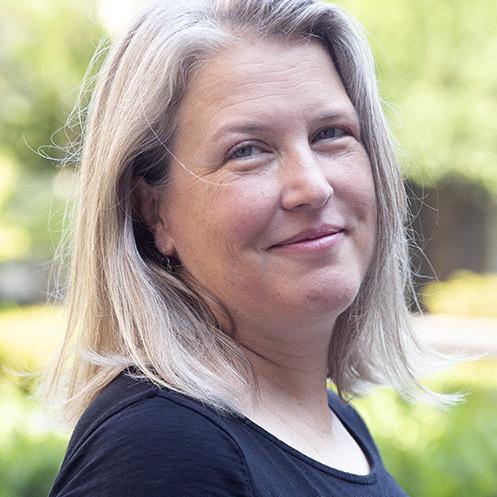
Emily Bernhardt, Ph.D. ‘01, the James B. Duke Professor of Biogeochemistry at Duke University, will join Cornell as the Francis J. DiSalvo Director of the Cornell Atkinson Center for Sustainability on Sept. 1. Bernhardt earned a Ph.D. in the Department of Ecology and Evolutionary Biology.
Provided
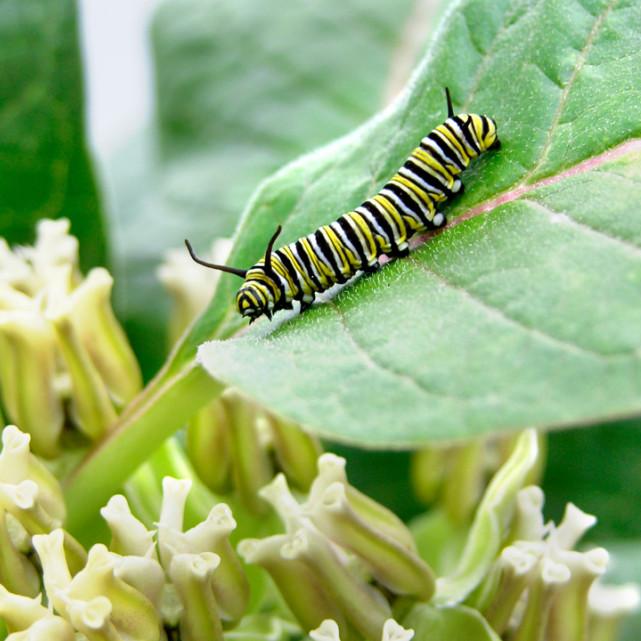
Cornell researchers have uncovered a new strategy milkweed uses to fight monarchs: upgrading the structure of its toxins.
Milkweed evolves upgraded toxins to defeat monarch resistance, a Cornell University study finds, by adding a small structural element containing nitrogen and sulfur. Chemistry researchers from the College of Arts and Sciences helped model how the upgraded toxins bind to enzymes in the monarch’s cells.
Mass Communication Specialist 2nd Class Michael H. Lehman/U.S. Navy photo
The guided-missile destroyer USS Lassen (DDG 82) escorts the merchant vessel Tomahawk through the Strait of Hormuz.
With the the Pentagon seeking $200 billion for the escalating Iran conflict, David Silbey, historian in Cornell’s College of Arts and Sciences, sees a typical escalatory pattern. He analyzes Strait of Hormuz closures, risks, and deployment options shaping U.S. defense policy.
The Center for Racial Justice and Equitable Futures at Cornell University has named 5 faculty fellows to its inaugural cohort, including Alexander Livingston and Isabel M. Perera – faculty members in government in Cornell's College of Arts and Sciences. They will receive support and funding from the Center to pursue innovative projects.