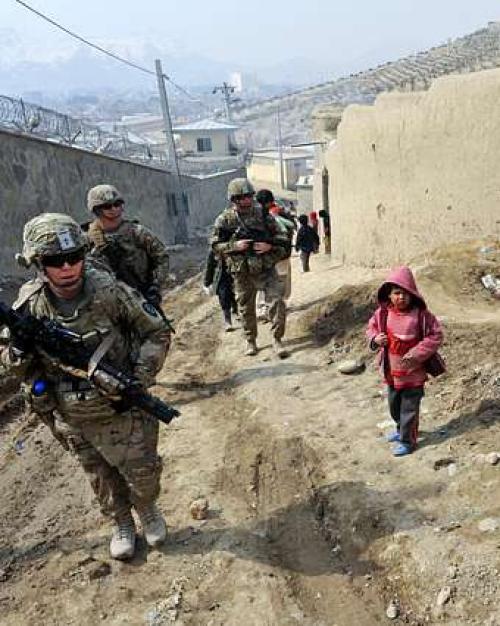
Hundreds of Afghan allies who assisted U.S. forces and remain stranded at a U.S.‑run camp in Qatar may be sent to the Democratic Republic of Congo – a country already facing a severe conflict‑driven humanitarian crisis – after their promised U.S. resettlement was halted, according to an advocacy group familiar with the plan.
David Silbey, a professor of history at Cornell University who specializes in military history and defense policy, says it’s a recurring ethical and strategic test for the U.S.
Silbey says: “The aftermath of a lost war is complicated and messy, including the awkward question of what to do with local allies who fought for America but are now at grave risk. To a certain degree, the U.S. has done the honorable thing and welcomed in refugees fleeing from those countries because they helped.
“Most notable are the thousands of Vietnamese after the fall of South Vietnam in 1975. They were resettled here, not without some political and social strife, and one of them, Joseph Cao, rose to become a congressman in 2009. So, too, with the local allies from Afghanistan, who had to flee after the collapse of the American-backed government in 2021 and found safety in the U.S.
"Sending them to the Congo would be a betrayal of the debt the U.S. owes them for their service and a terrible precedent for future alliances.”
More News from A&S


‘The New Population Problem’ examined in Phi Beta Kappa lecture Oct. 28
Phi Beta Kappa