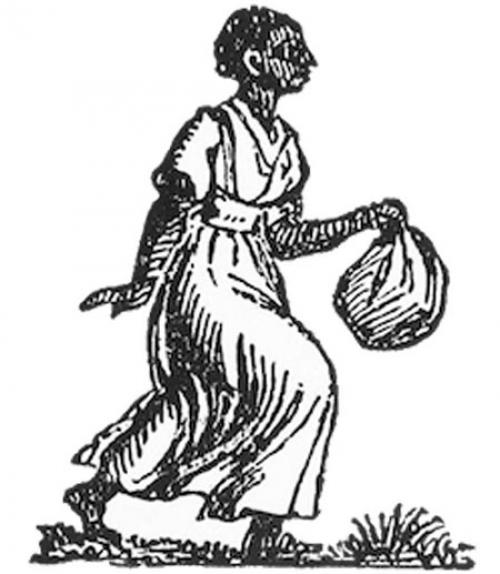
History professor Edward Baptist and other co-founders of the Freedom on the Move digital project, which aims to recover, collect and share the stories of fugitive slaves, write about their work in this Washington Post piece.
"At launch, we have uploaded some 20,000 fugitive-slave advertisements," they write. "Thousands more will be added soon, with the ultimate goal of making available to the public every such ad published in a newspaper from the Colonial era through the age of emancipation. With the help of citizen historians, professional scholars, students, genealogists and other researchers, fugitive-slave ads now can be transcribed through a crowdsourcing website and mined for details about the enslaved people they document and the people and places associated with them."
Read the entire Washington Post piece.
More News from A&S

Cornell biologist named Blavatnik Award finalist for work with rewilded mice
Neurobiology and behavior
Cornell mathematicians win grants to ensure AI safety, research integrity
Mathematics
Jazz master Chucho Valdés birthday celebration opens concert series Oct. 23
Music