Take a vicarious trip back to campus with these books that unfold, at least in part, at your alma mater—either the real one, or a fictionalized and renamed incarnation that will still strike a familiar chord.
A number are bestsellers penned by critically acclaimed, award-winning authors and remain popular. While a few are out of print and may be harder to find, copies can generally be located online.
'Spiral' by Paul McEuen
Cornell and Ithaca are the backdrops for this 2011 techno-thriller by McEuen, the John A. Newman Professor of Physical Science.
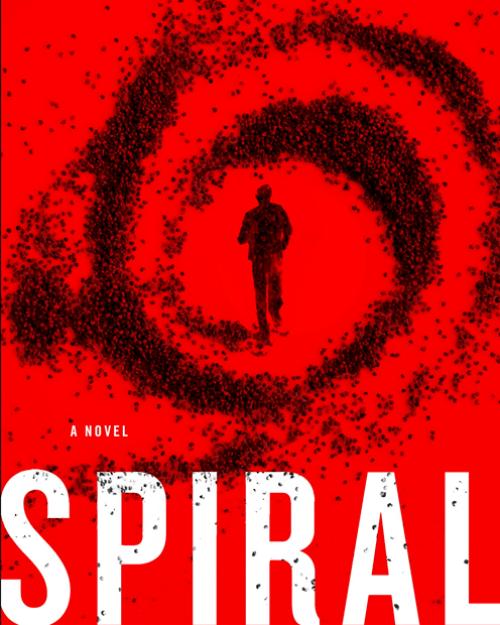
Garnering comparisons to the work of Michael Crichton (of Jurassic Park fame), the plot involves killer fungi and spider-sized nanobots run amok; created for benign scientific purposes, both become potential tools of biowarfare.
Big Red and Ithaca references abound in McEuen’s critically acclaimed novel—from a local dog rescue group to the nature preserve in Ellis Hollow.
'A Journey to Sahalin' by James McConkey
“Mr. McConkey is a professor of English at Cornell and observed firsthand the troubles there,” says the New York Times in its review of this 1971 novel about a university in the aftermath of a polarizing protest for Black student rights.
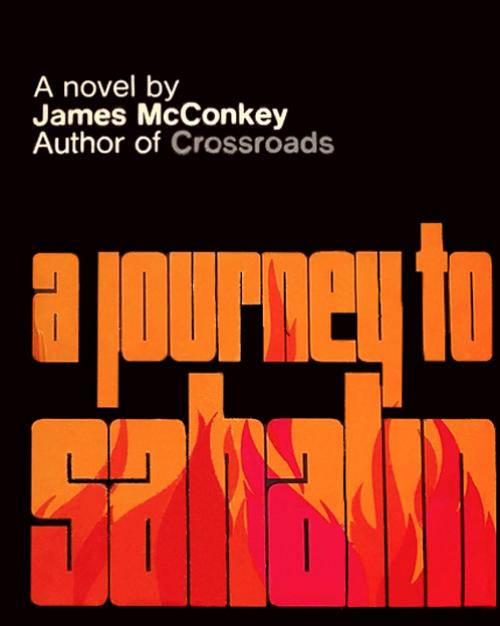
“He is completely convincing. Of the book’s many qualities, the one that most impressed me was the unforced tenderness that suffuses it.”
The protagonist is the dean of students at the school, dubbed “Brangwen.”
Read the full story about novels by Arts & Sciences alumni and faculty in Cornellians.
More News from A&S
Cornell biologist named Blavatnik Award finalist for work with rewilded mice
Neurobiology and behavior
Cornell mathematicians win grants to ensure AI safety, research integrity
Mathematics
Jazz master Chucho Valdés birthday celebration opens concert series Oct. 23
Music