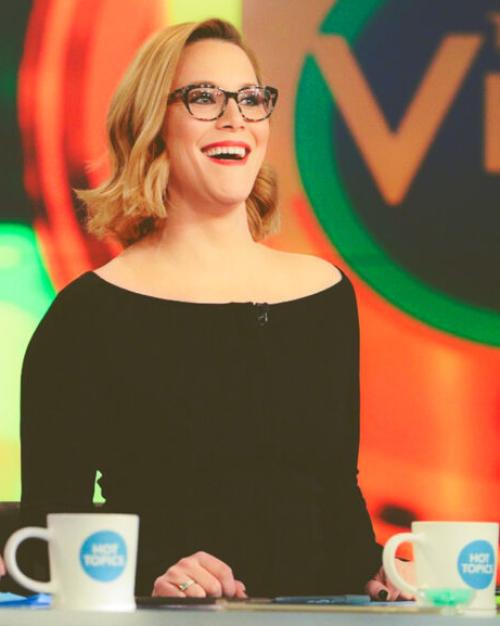
On most Wednesdays, S.E. Cupp ’00 is in her Connecticut home, exchanging emails with her editors at CNN. The TV host and political commentator—an outspoken voice of practical conservatism on the network since 2013—is fleshing out what to cover on her next segment of “SE Cupp Unfiltered,” which she records on Thursdays.
“That’s a fun conversation,” Cupp says on a sunny day in rural Upstate NY, where her family has a weekend home. “I want to give them, ultimately, what they want—and they, ultimately, want me to do what I’m passionate about that week.”
On Thursday morning, Cupp writes her script—a roughly four-minute monologue—and sends it to her editors. By the time she’s showered and dressed, her copy is ready; she enters her home studio, adorned with memorabilia including a McGraw Tower statuette and her Cornell diploma.
Cupp looks into the camera, and in one take, she’s done. Hours later, it’s online.
In her videos, Cupp offers her distinct center-right take on the week’s issues in politics and media—often in contrast to the views widely held among members of her party.
Read the story in Cornellians.
More News from A&S