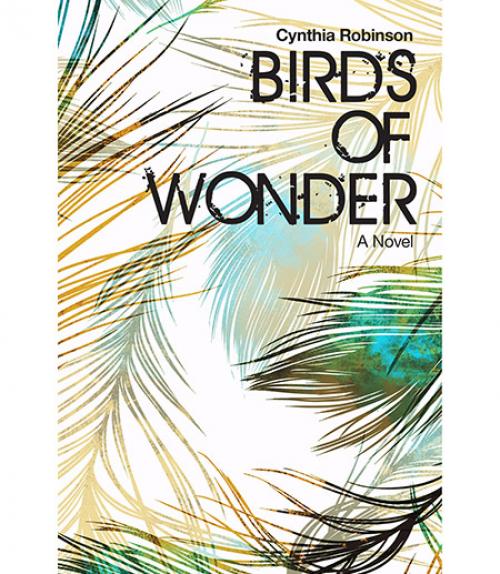
“Birds of Wonder,” a new novel by Cynthia Robinson, addresses sexual violence, porn addiction, and sexual tourism. “It’s an appropriate story for this #MeToo moment,” said Robinson, Mary Donlon Alger Professor of Medieval and Islamic Art in the Department of the History of Art.
Set among the hills and lakes of upstate New York and told in six vibrantly distinct voices, “Birds of Wonder” chronicles the rippling effects of a young girl’s death through a densely intertwined community. By turns funny, fierce, lyrical and horrifying, the murder mystery probes family ties, the stresses that break them, and the past that never really lets us go.
This is Robinson’s second novel; her first, “Tatiana’s Wedding,” also examined family relationships and the scars left by violence and loss. She is currently working on another novel which she describes as having “heavy and intimate involvement” with the supernatural and a more obvious connection with her scholarship.
Robinson’s short fiction has appeared in Epoch and The Arkansas Review; she is the recipient of the New Southerner Literary Award for Fiction.
This article also appeared in the Cornell Chronicle.
More News from A&S


After a devastating disaster, Nepal faces the challenge of giving it a name
Anthropology