Wiesner Group/Provided
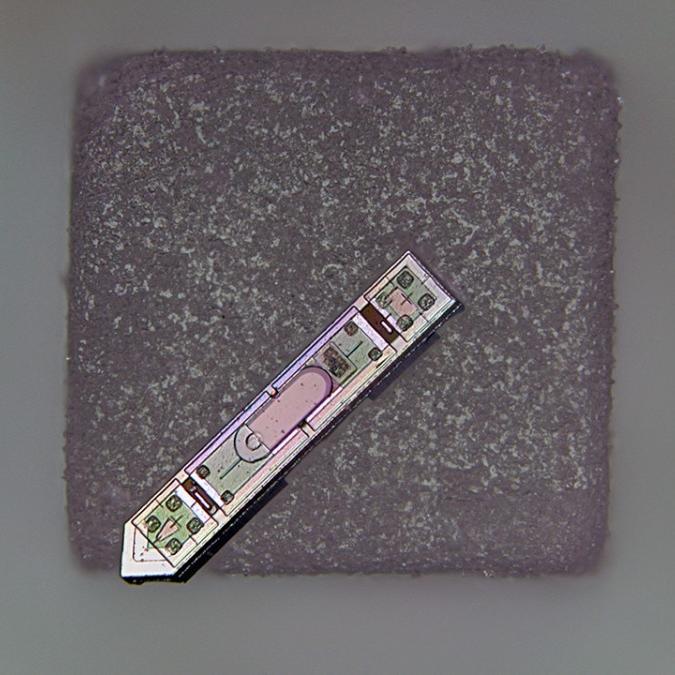
A copolymer-inorganic nanoparticle ink is deposited during the 3D printing process, where it self-assembles before being heat-treated into a crystalline superconductor.
Nearly a decade after they first demonstrated that soft materials could guide the formation of superconductors, Cornell researchers have achieved a one-step, 3D printing method that produces superconductors with record properties.
A Cornell-led collaboration devised a potentially low-cost method for producing antibodies for therapeutic treatments: bioengineered bacteria with an overlooked enzyme that can help monoclonal antibodies boost their immune defenses.
… in the coming year. “Job and Internship Search for the 2026 job market” will take place from 4:30-6 p.m. in Room … Special career workshop focuses on outlook for 2026 …