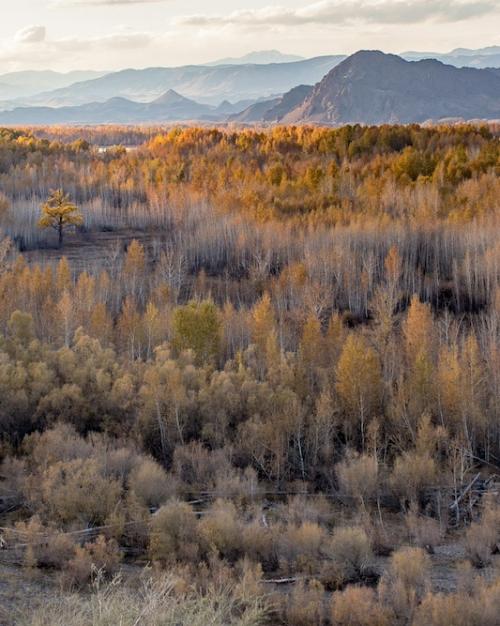
As the world warms, permafrost is thawing across two-thirds of Russia, writes Sophie Pinkham, professor of the practice in comparative literature, in a New York Times opinion piece. Outside a small town called Batagay, deep in the Siberian hinterland, a crater is rapidly opening up, revealing secrets about the past and warnings for the future.
“The land is belching up the past and swallowing the present — creating a yawning hole even more dizzying than the huge open-pit mines that already scar the Siberian landscape,” Pinkham writes in the piece. “It should be a warning about the dangers of extraction, but Russia, like many other countries, continues to pillage its natural resources, undaunted by the threat of greater disruption still to come with climate change.”
Read the story in the New York Times.
More News from A&S


Reeve Parker, professor emeritus of literatures in English, dies at 89
Literatures in English