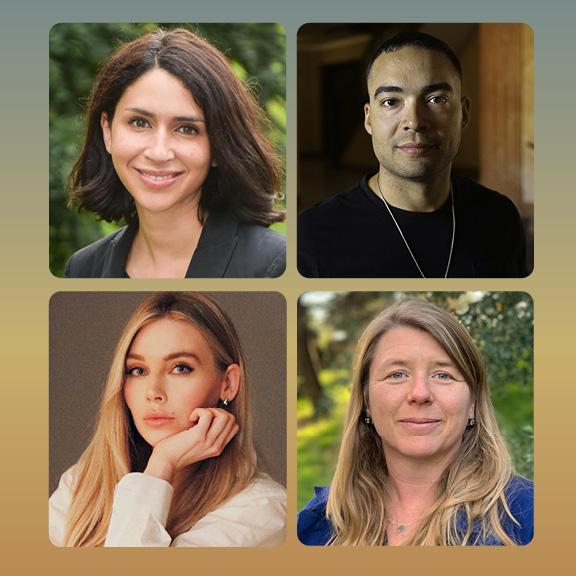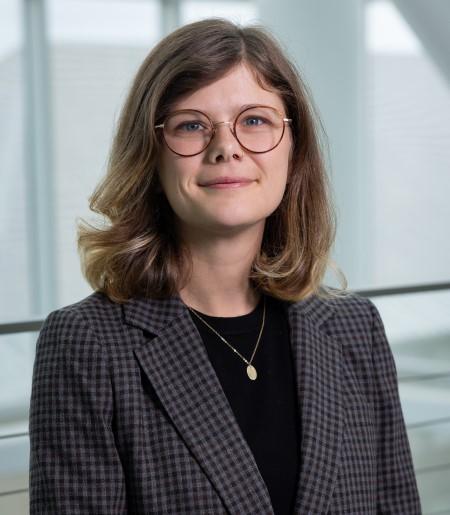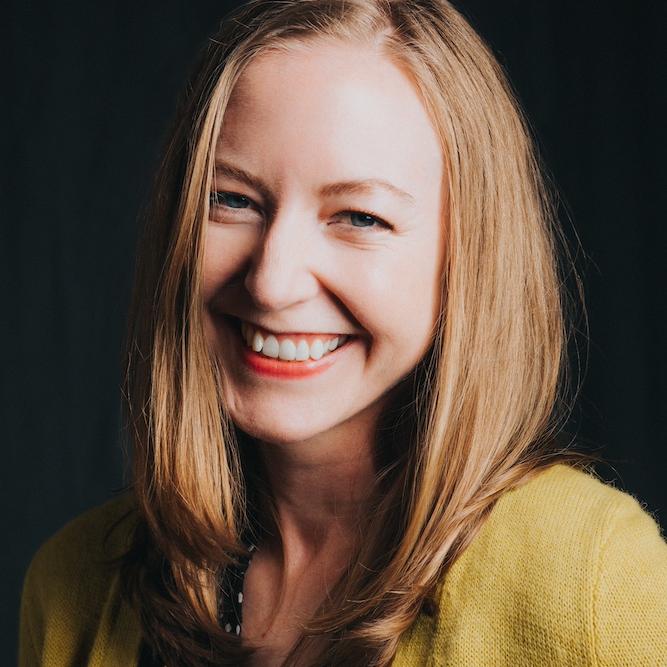
Rebekka Kricheldorf will talk about writing comedy and more with Samuel Buggeln, the play’s director and artistic director of Cherry Arts, on Nov. 12 – one of several collaborations.
The results of the 2024 U.S. presidential election aren’t due to a simple dislike or distrust of women, but a reflection of America’s violent indifference to women.
With about 45% of Hispanics voting for Trump, we’re witnessing an important realignment of a group previously thought to be squarely within the coalition supporting Democratic candidates, says professor Gustavo Flores-Macías.
Will President Donald Trump’s policies rectify the high prices Americans are seeing? Kaushik Basu, professor of economics at Cornell, says inflation is beyond the control of the party in power and is shaped by other actors.
Provided
The grand prize winners for the Food Hackathon pose with Touchdown the Bear after the weekend.
A popular strategy for combating misinformation can help people distinguish truth from falsehood – when combined with reminders to focus on accuracy, Cornell-led research finds.
Los Angeles Times Photographic Collection at the UCLA Library/Creative Commons license 4.0
Quincy Jones in his studio, 1980
Cornell researchers have identified the highest achievable superconducting temperature of graphene – 60 Kelvin. The finding is mathematically exact and is spurring new insights into the factors that fundamentally control superconductivity.
Jason Koski/Cornell University
Professor David Feldshuh, center, leads rehearsal for his new play, “Orlando's Gift.”
“Orlando’s Gift,” a new play written and directed by David Feldshuh, professor of performing and media arts, and inspired by Virginia Woolf’s novel “Orlando,” will premiere Nov. 1 at the Schwartz Center.
Cornellians
Jennifer Courtley Lory-Moran ’96, MAT ’97
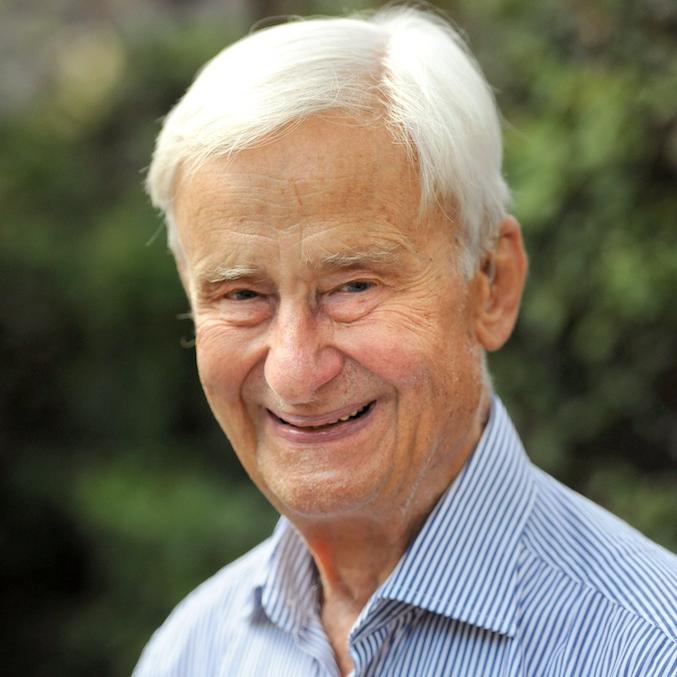
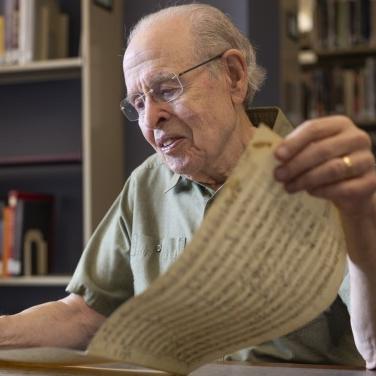
Alfred H. Schatz, an emeritus professor of mathematics who taught at Cornell for nearly 50 years, died at home on Oct. 11 after a long bout with Parkinson’s disease. He was 90.
Sreang Hok/Cornell University.
The A.D. White House
Commissioned by Cornell’s inaugural president, the villa later became an art museum—and has long hosted a humanities group.
Chris Kitchen
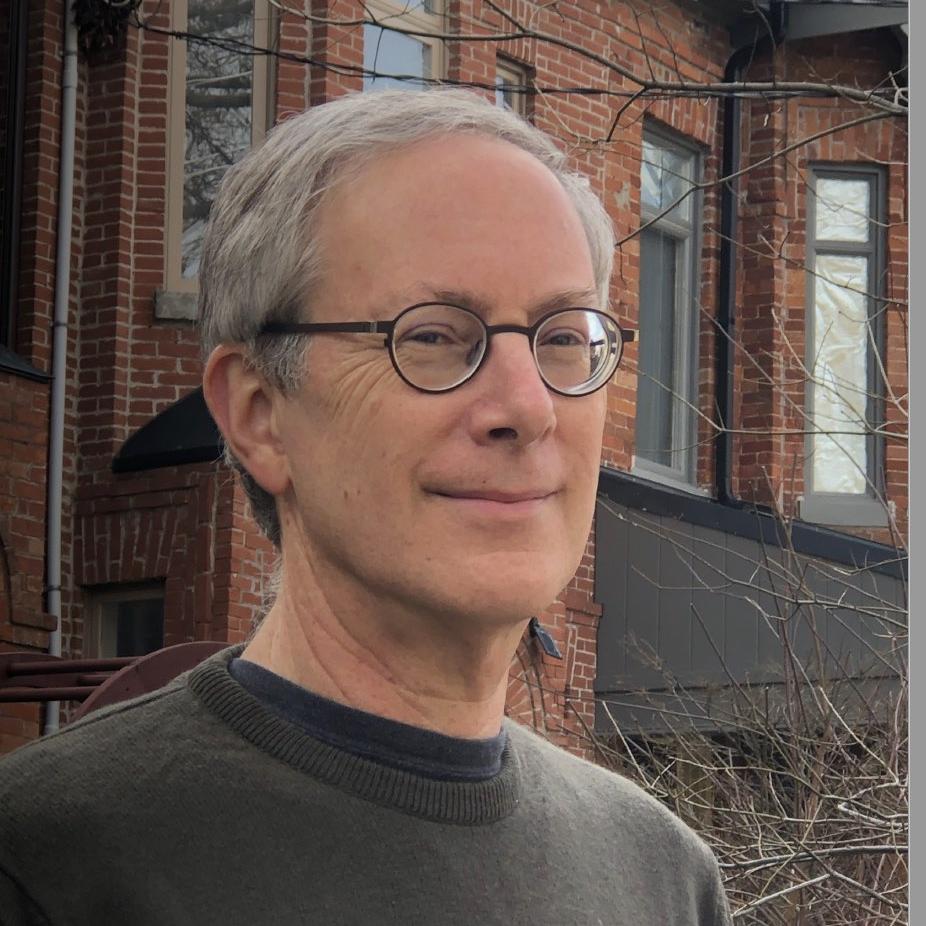
Jacob Anbinder examines documents held by Cornell University Library from the archives of New York's Regional Plan Association, one of the most influential urban planning organizations of the twentieth century.
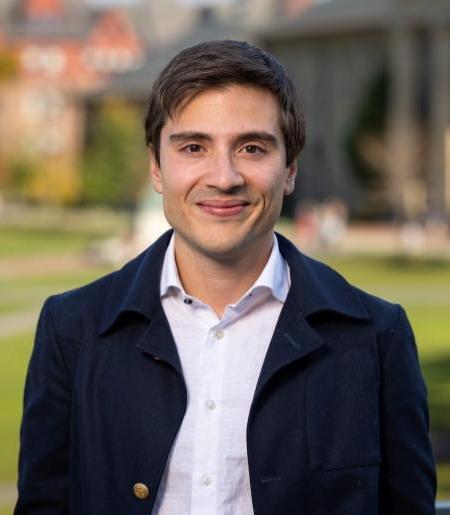
This fall, Jake Anbinder, a historian with an interest in cities and strong ties to public policy, presented two conference papers elaborating on his award-winning book project.