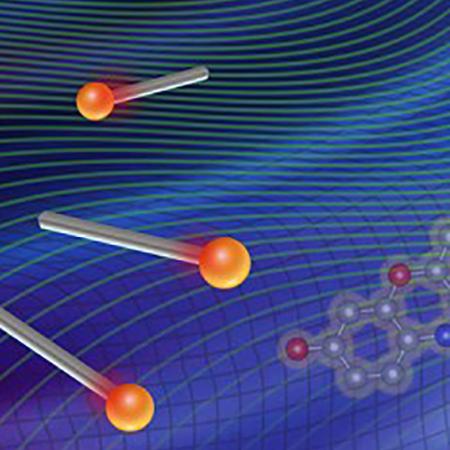
In the middle of the periodic table of elements, on the block that bridges the two jutting sides, is a series of elements known as transition metals. The electronic composition of transition metals makes them great catalysts for some of earth’s most life-enabling reactions. They mediate key reactions, for example, in photosynthesis and help convert nitrogen in the atmosphere so it can be used as a nutrient to sustain life.
This is an episode in the “What Makes Us Human?” podcast from Cornell University’s College of Arts & Sciences, showcasing the newest thinking from across the disciplines about what it means to be human in the twenty-first century.
Noam Maggor, a postdoctoral associate in the Department of History in the College of Arts & Sciences, writes in this op-ed for The Guardian that Amazon's search for a second North American headquarters has generated a race to the bottom bidding war to please Amazon that parallels the rise of capitalism in the19th century.
This month, Ambassadors will be reflecting on how Cornell has changed them compared to the first day they arrived on campus, or even to just a couple months ago. In the first post of November, senior Carlee talks about how the classes, professors, and friends she encountered over the four years have taught her to welcome challenges and to think critically. By Carlee Moses '18, History and Government double major
A new two-credit Learning Where You Live (LWYL) course this semester on West Campus, ENGL 1605: North/West Campus Dialogue on Race, “gives students the opportunity to learn from and with each other about issues of racial conflict … in an atmosphere of openness, mutual engagement and respect,”
Craig Wiggers, a retired Marine lieutenant colonel with 25 years of service, is director of administration for the physics department and says he loves Cornell’s welcoming, supportive environment.
The concept of “valence” – the ability of a particular atom to combine with other atoms by exchanging electrons – is one of the cornerstones of modern chemistry and solid-state physics.