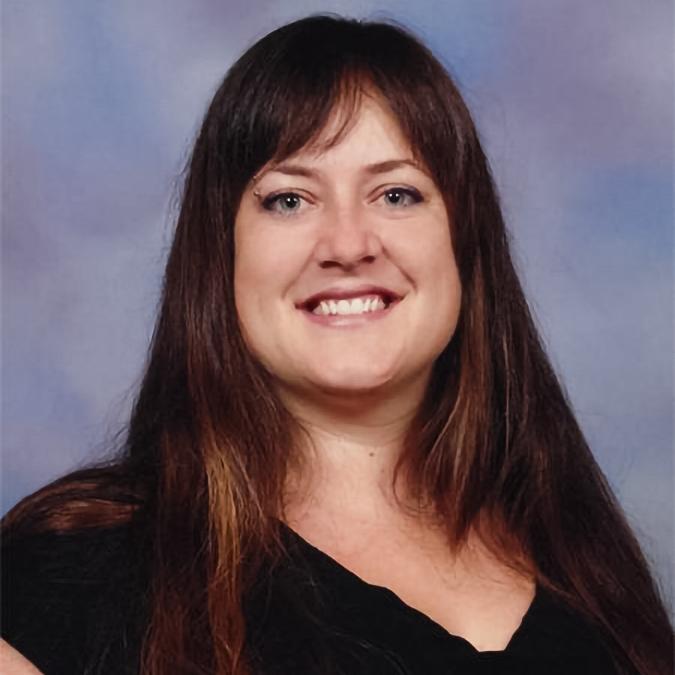
Samantha Wesner is a doctoral candidate in history from Dallas, Texas. After attending Harvard University as an undergraduate, she chose to pursue further study at Cornell due to the field of history’s reputation as well as the library’s resources.
Jason Koski/Cornell University
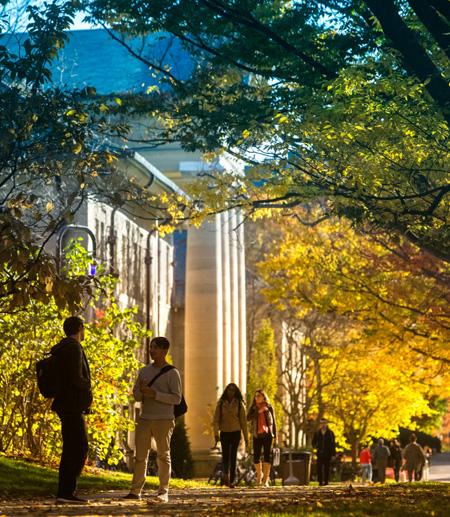
A student looks at the cover of the Cornell Daily Sun from Sept. 12, 2001, at Kroch Library.
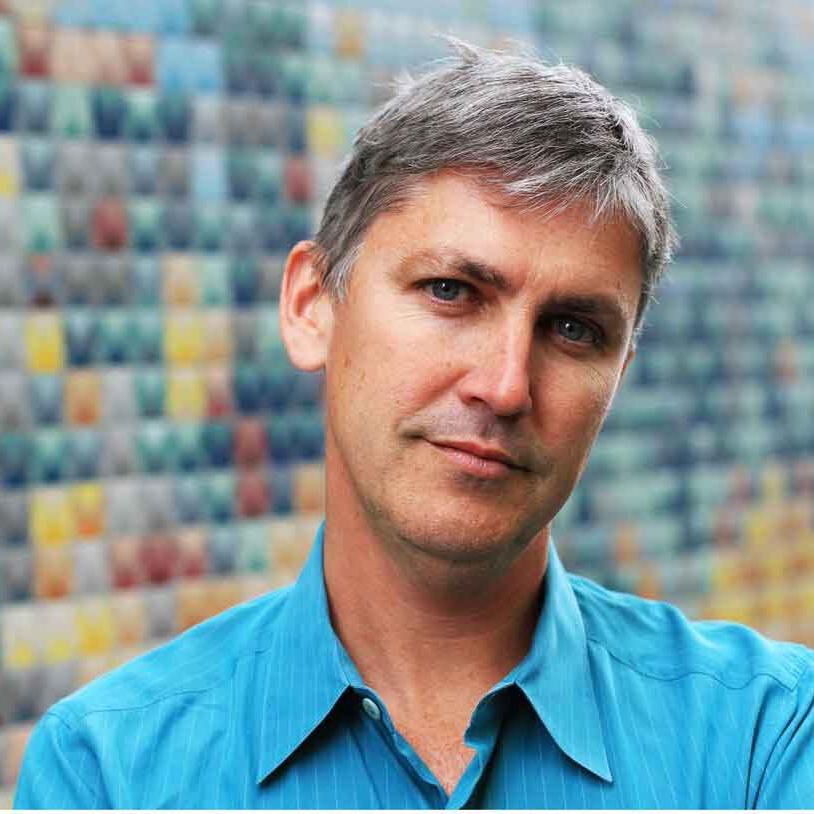
New York Times best-selling science and technology writer Steven Johnson will visit campus Sept. 22 to meet with students and faculty and offer a talk to the Cornell community, “20,000 More Days: How We Doubled Global Life Expectancy in Just 100 years.”
Two recent A&S doctoral graduates are new ACLS Emerging Voices Fellows and Cornell will also be hosting an ACLS post-doctoral fellow in the Department of History.
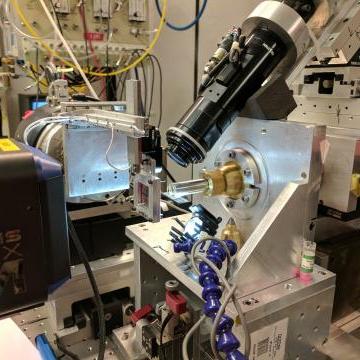
Combining state-of-the-art X-ray technology and cryogenics, Cornell physics researchers have developed a new method for analyzing proteins in action, a breakthrough that will enable the study of far more proteins than is possible with current methods.
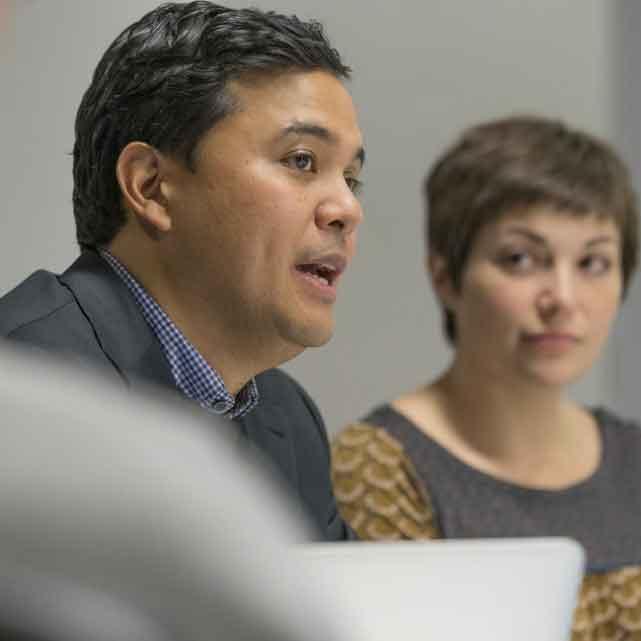
The Technology and Law Colloquium – a hybrid Cornell University course and public lecture series – will return this semester with talks from 13 leading scholars who study the legal and ethical questions surrounding technology’s impact in areas like privacy, sex and gender, data collection, and policing.
Cornell Rare and Manuscript Collections
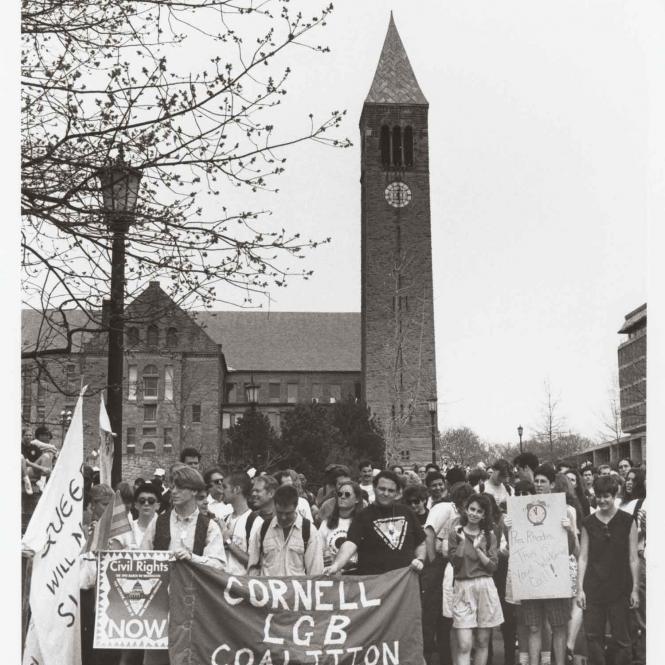
A 1993 rally on Ho Plaza
Faculty, staff, students and alumni are planning a series of events to celebrate the 50th anniversary of Cornell’s women’s studies program, now Feminist, Gender and Sexuality Studies (FGSS), as well as Lesbian, Gay, Bisexual and Transgender (LGBT) activism and advocacy on campus.
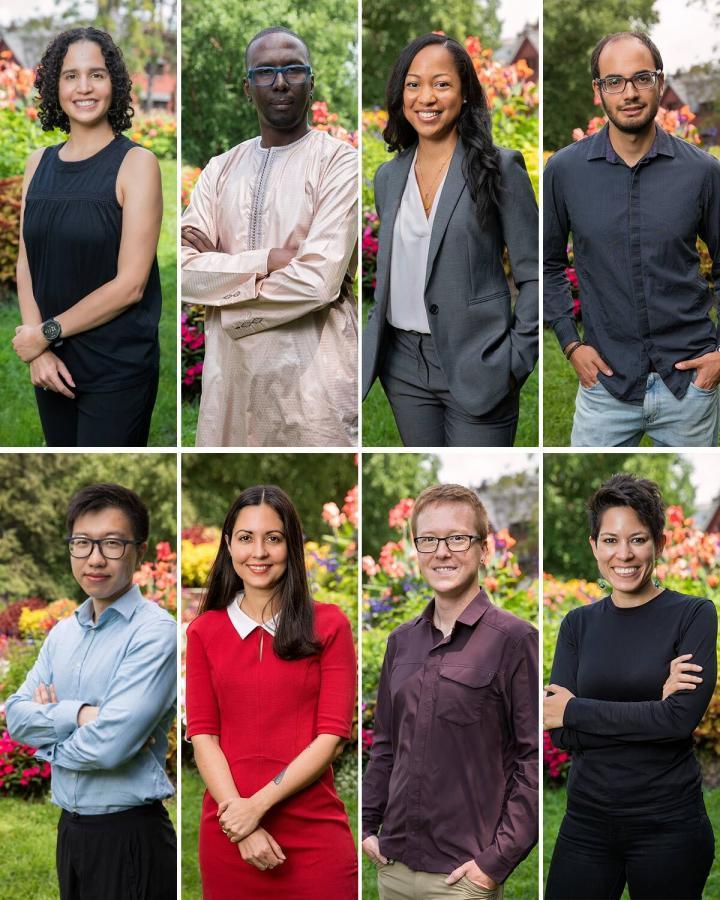
Despite pandemic challenges, the College of Arts & Sciences expanded its faculty with 17 new hires this year, bringing exciting new ideas into wide-ranging fields, including moral psychology, Indigenous studies, cosmology, genetics and African American literature.
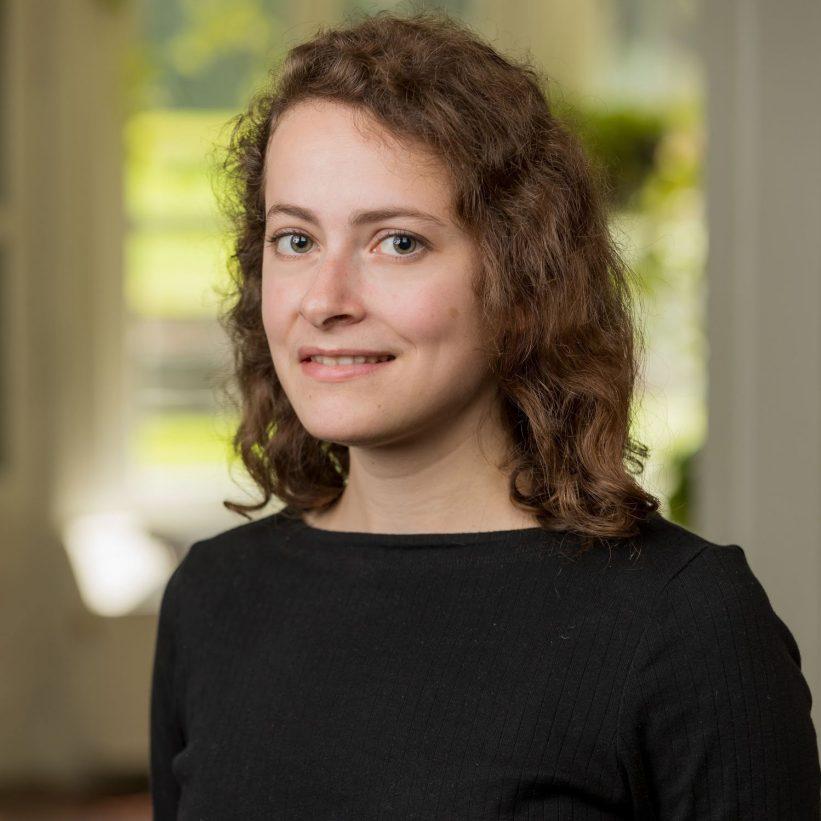
Lyrianne González is a doctoral student in history from Los Angeles, California. After attending California State University, Northridge as an undergraduate, she chose to pursue further study at Cornell for the opportunity to work alongside her mentors and the flexibility of the field of history.
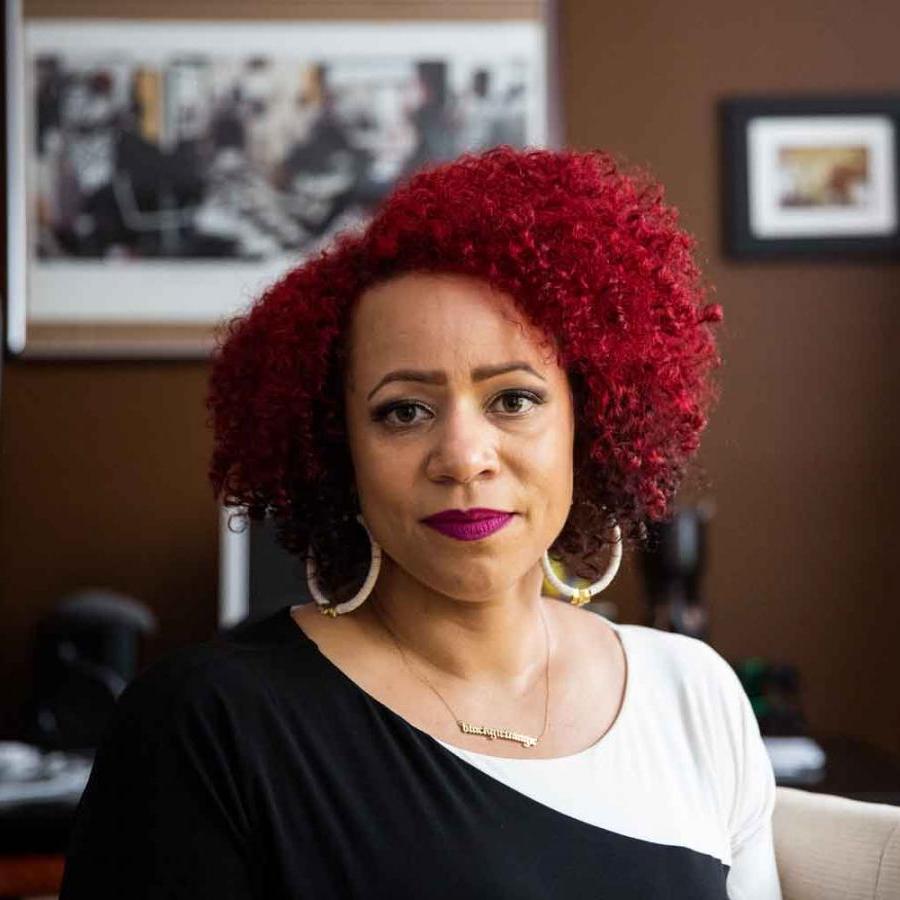
Nikole Hannah-Jones, the Pulitzer Prize-winning creator of the 1619 Project and a staff writer at The New York Times Magazine, will give the Daniel W. Kops Freedom of the Press Lecture on Sept. 9 at 5 p.m.
Provided
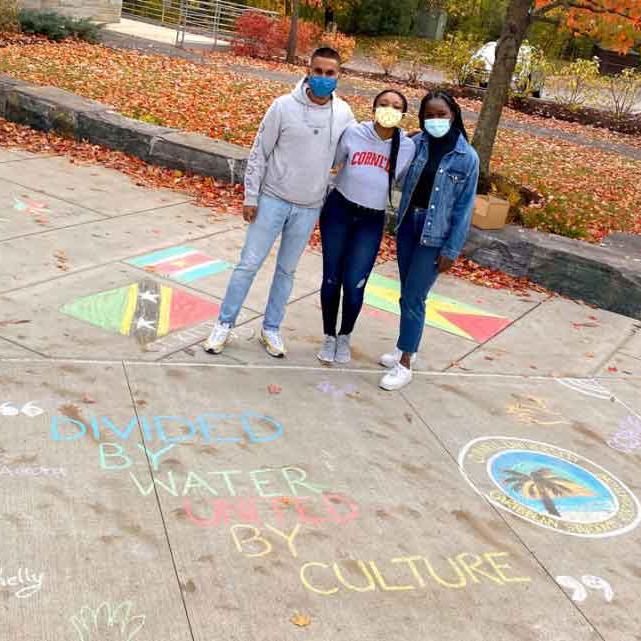
Members of the Caribbean Students’ Association.
In addition to changing its name, the program – celebrating its 60th year – has renewed and expanded its commitment to the study of the Caribbean cultures, places and people.
A Cornell-led collaboration received a $3 million grant from the U.S. Department of Energy to use machine learning to accelerate the creation of low-cost materials for solar energy.
Bringing researchers together – not only across disciplines but across the 200-plus miles separating Ithaca from New York City – is the aim of academic integration, which promotes, builds and enhances collaborative research across Cornell’s campuses.