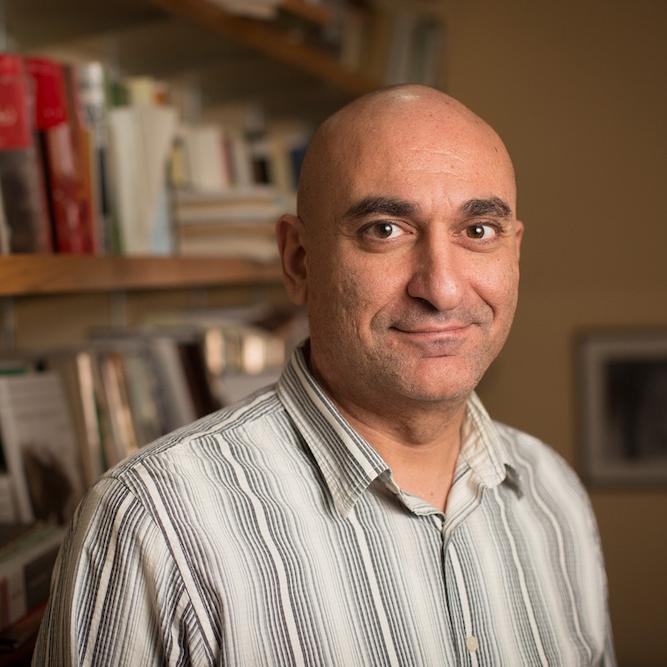
… to Defend the West,” will highlight his April 21-22 visit. … has been named a second spring 2025 Zubrow Distinguished Visiting Journalist in the College of Arts and Sciences. …
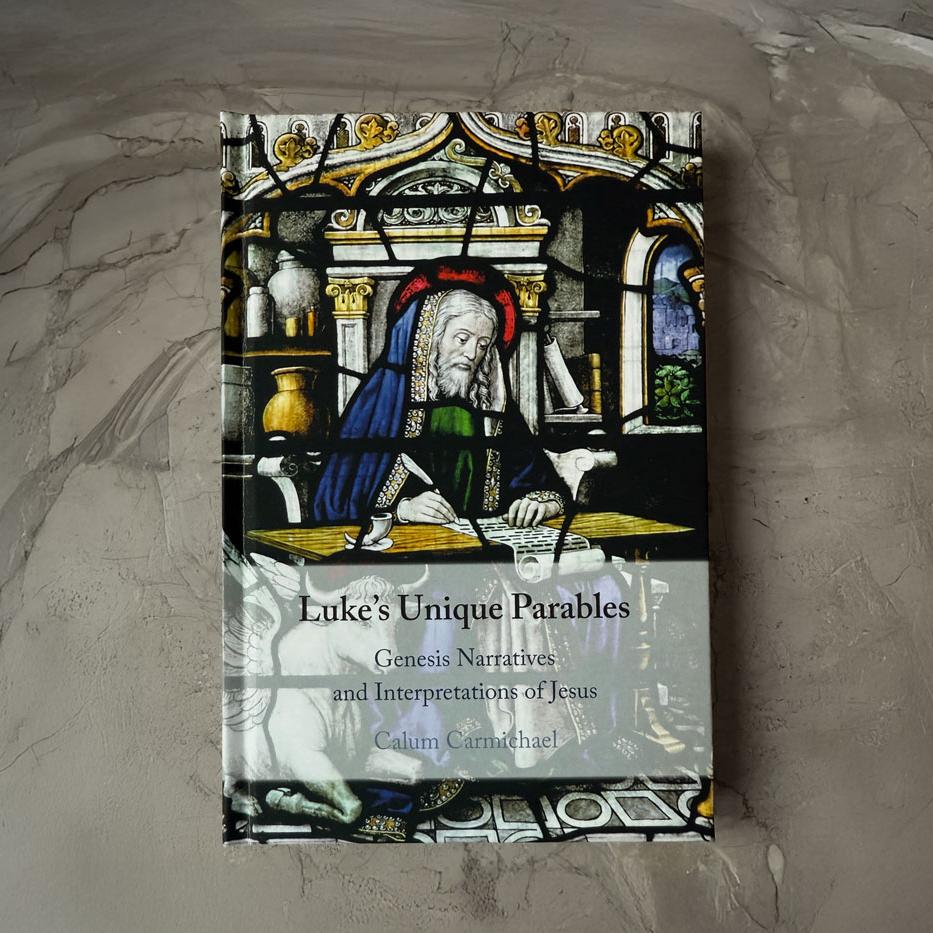
Prof. Carmichael identifies how parables unique to Luke were composed as a response to, and reframing of, problems attributed to the earliest of biblical times.
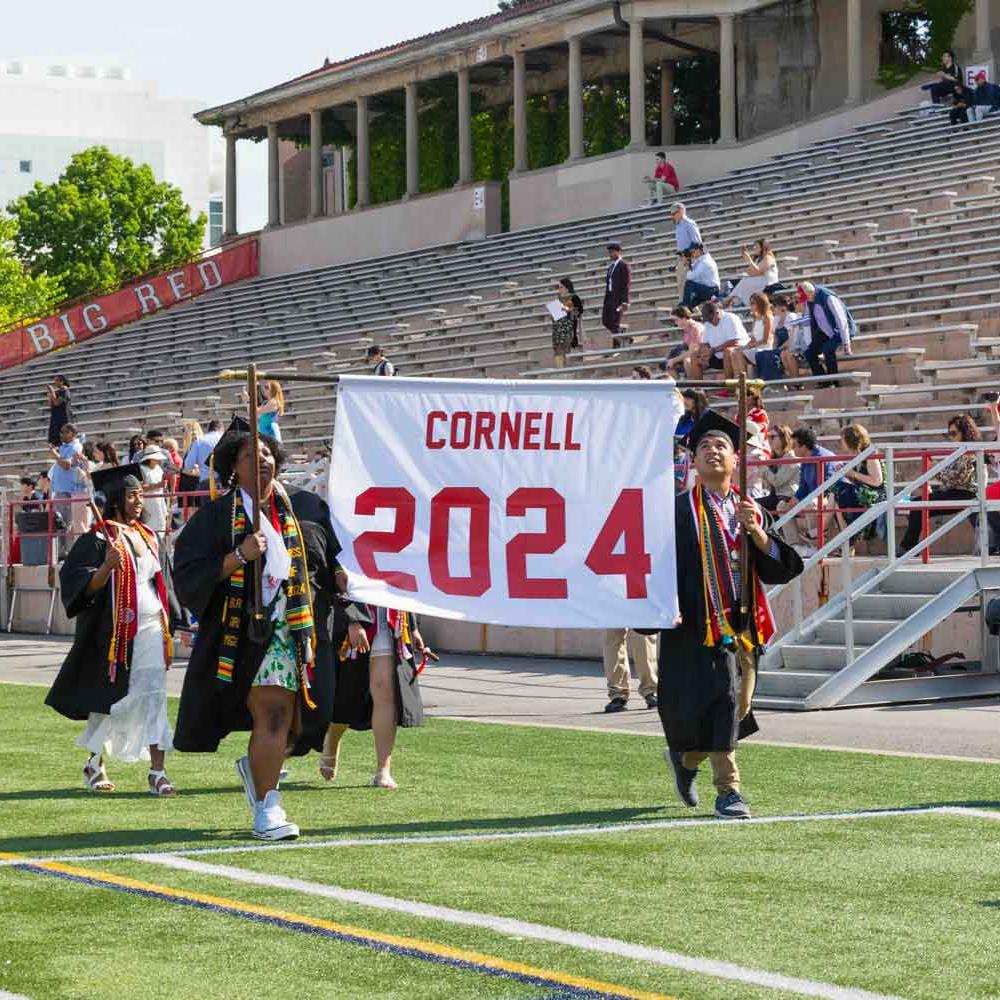
Jen Maclaughlin credits the College’s first-year advising seminars for at least part of the success for 2024 graduates.
Douae Maarouf ’27/Student and Campus Life
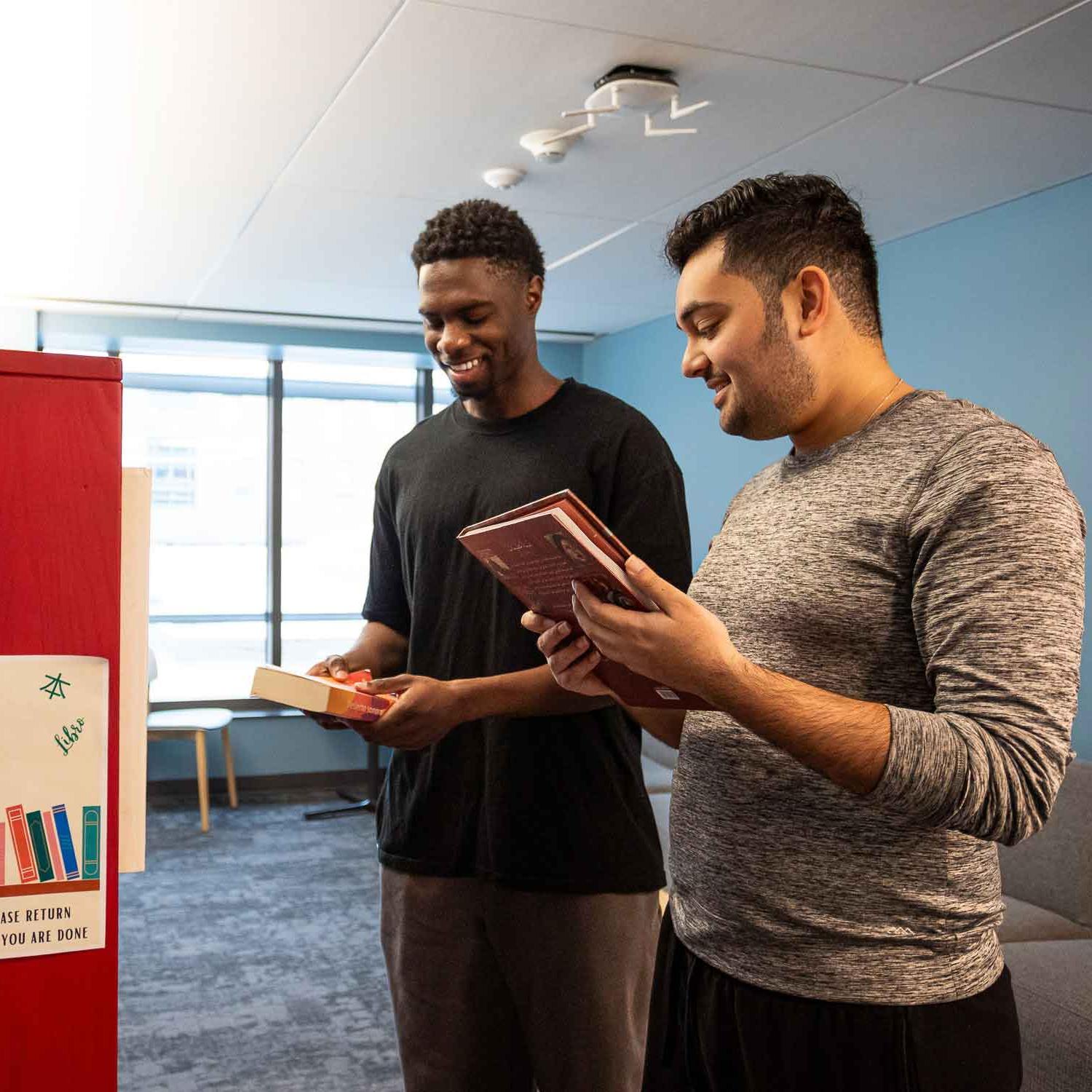
Justin Eburuoh ’27, left, and Branden Sattler ’26 check out books from the Language House Library. Beginning in the fall, the Language House will include students who use American Sign Language, in addition to those speaking French, Spanish, Mandarin and Korean.
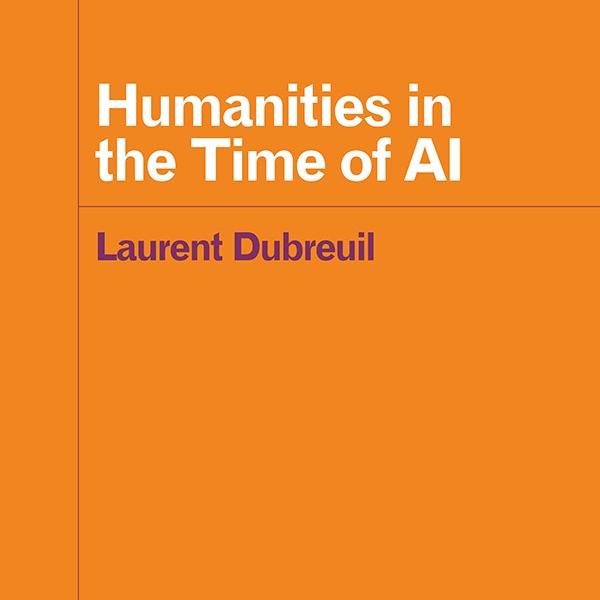
In his new book, “Humanities in the Time of AI,” professor Laurent Dubreuil argues that the arrival of AI may present an opportunity to “re-create scholarship.”
Wikimedia Creative Commons
The coastline of offshore Cijin Island in the South China Sea, which belongs to the Taiwanese city of Kaohsiung.
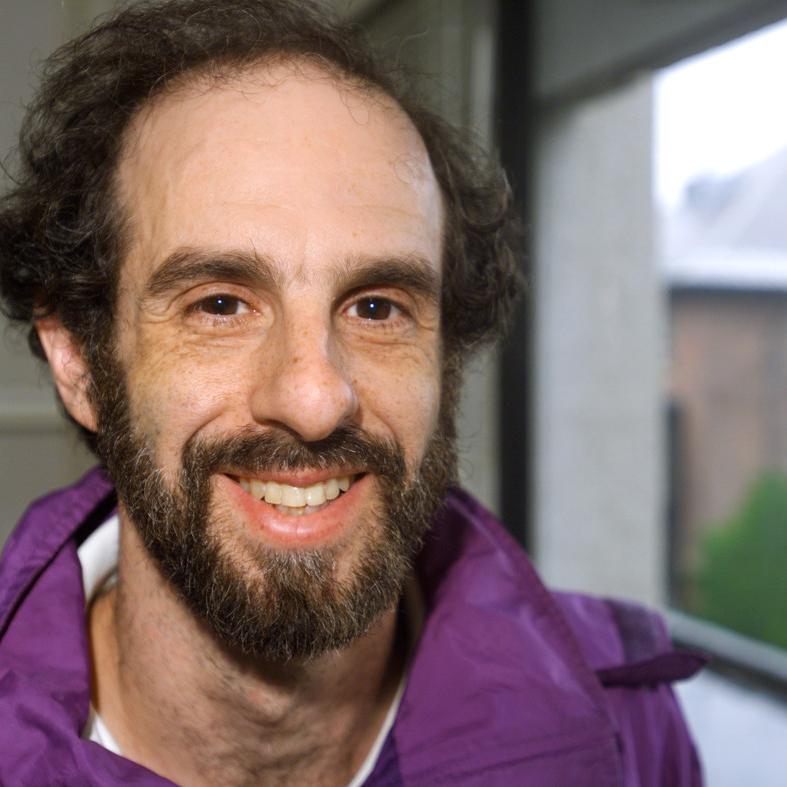
Modern science wouldn’t exist without the online research repository known as arXiv, Sheon Han writes in a Wired feature about arXiv's creator Paul Ginsparg, professor of physics.
Provided
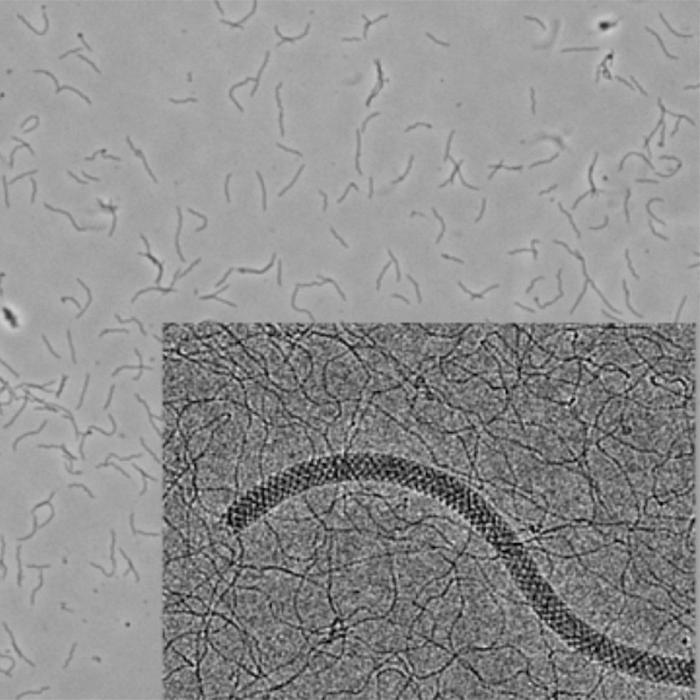
Spirochetes are long, slender, spiral-shaped invasive bacteria, associated with Lyme disease and syphilis.
Researchers have identified a new way to fight infections like Lyme disease and syphilis by disrupting the bacteria’s ‘motor,’ preventing it from spreading through the body.
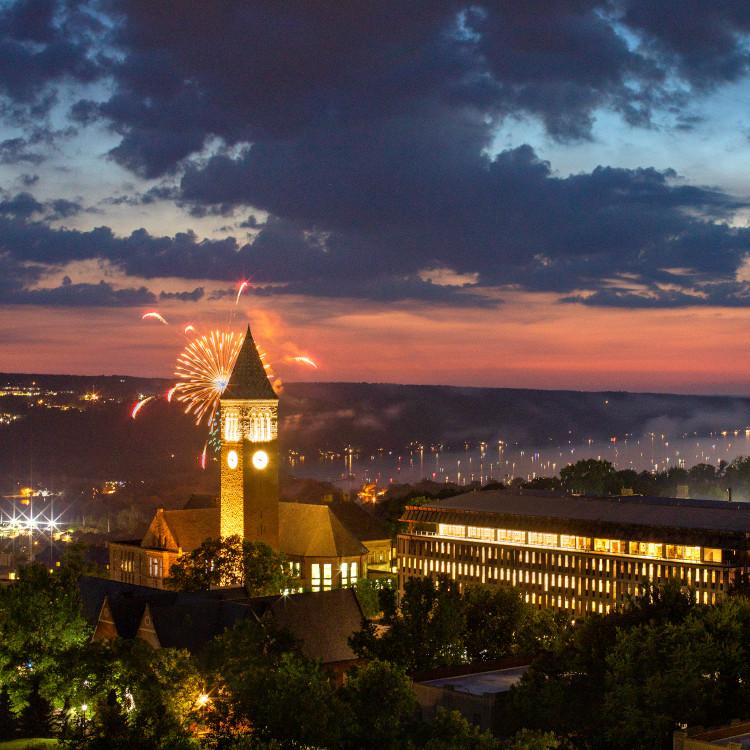
Through volunteer work, research and advocacy, the 5,824 students admitted to the Class of 2029 reflect Cornell’s commitment to changing lives through public engagement.