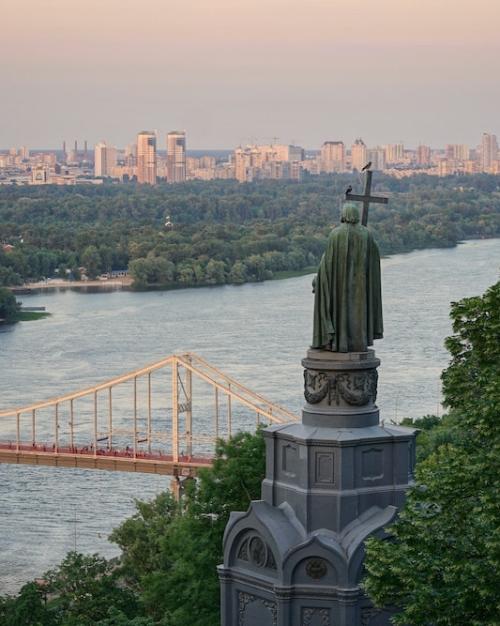
In an opinion piece for CNN, Cristina Florea, assistant professor of history, writes that Russia’s assault on Ukraine risks erasing the historical record, including iconic physical structures, archives and documents.
"As a historian, my research and writing rely on previous generations' efforts to record their present and preserve relics of their past.” Florea writes in the piece. “That any historical records have survived Eastern Europe's long history of turmoil is nothing short of a miracle. Archives, like people in the region, have been repeatedly displaced and destroyed. Russia's current war on Ukraine is yet another instance of this long history of invasions and conquests.”
Read the full story on the CNN website.
More News from A&S

Cornell biologist named Blavatnik Award finalist for work with rewilded mice
Neurobiology and behavior
A&S Communications

Cornell mathematicians win grants to ensure AI safety, research integrity
Mathematics
Cornell Chronicle

Jazz master Chucho Valdés birthday celebration opens concert series Oct. 23
Music
A&S Communications