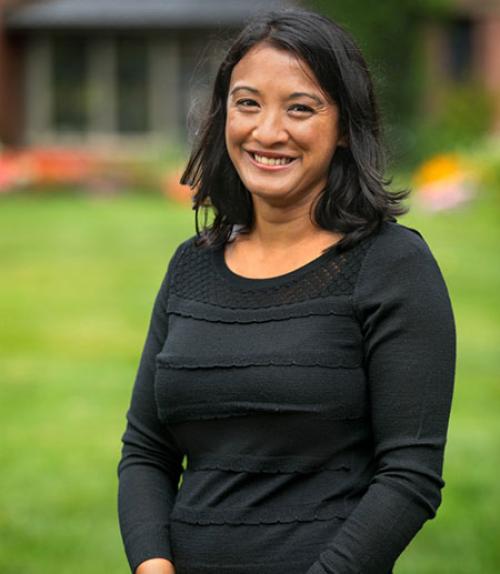
Sabrina Karim, assistant professor of government, recently visited Rohingya refugee camps in Bangladesh. In this editorial in The Conversation, she explains what the Bangladeshi government has done right so far, and the challenges they are still facing.
“In the long haul, Bangladesh cannot sustain the current population,” writes Karim. “Almost 1 in 4 Bangladeshis live in poverty. While it is true that Bangladesh’s economy has improved over the past several years – a reason, government officials explained to me, that the country could provide aid in the early stages of the refugee crisis – this is not sustainable in the long run.”
Read the entire Conversation piece here.
More News from A&S


‘The New Population Problem’ examined in Phi Beta Kappa lecture Oct. 28
Phi Beta Kappa
A&S Communications


Soprano Dawn Upshaw visits campus as A.D. White Professor-at-Large
A.D. White Professors at Large
A&S Communications