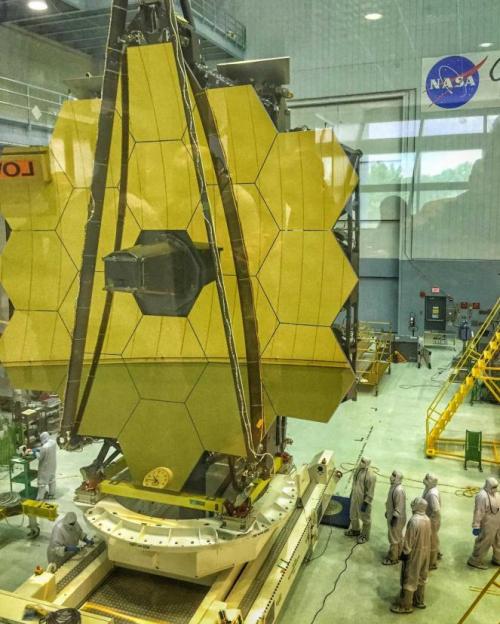
As an astronomer specializing in exoplanets (planets around other suns than ours), Lisa Kaltenegger, associate professor of astronomy and director of the Carl Sagan Institute, explores questions that reflect widespread interest in the search for intelligent life in the universe. In an op-ed on CNN, Kaltenegger explains how she and other astronomers look for life beyond Earth – and how technologically advanced extraterrestrials might look for us.
“We have already found thousands of exoplanets in our search for life in the cosmos, most of them using the ‘transit method’ -- seeing the way a star's light dims slightly as a planet crosses through our line of sight,” Kaltenegger writes in the piece. “Determining which of those thousands of exoplanets host life is one of the most significant scientific adventures of all time.”
More News from A&S

Society for the Humanities Fellows to Explore “Survival” at Fall Conference
Society for the Humanities