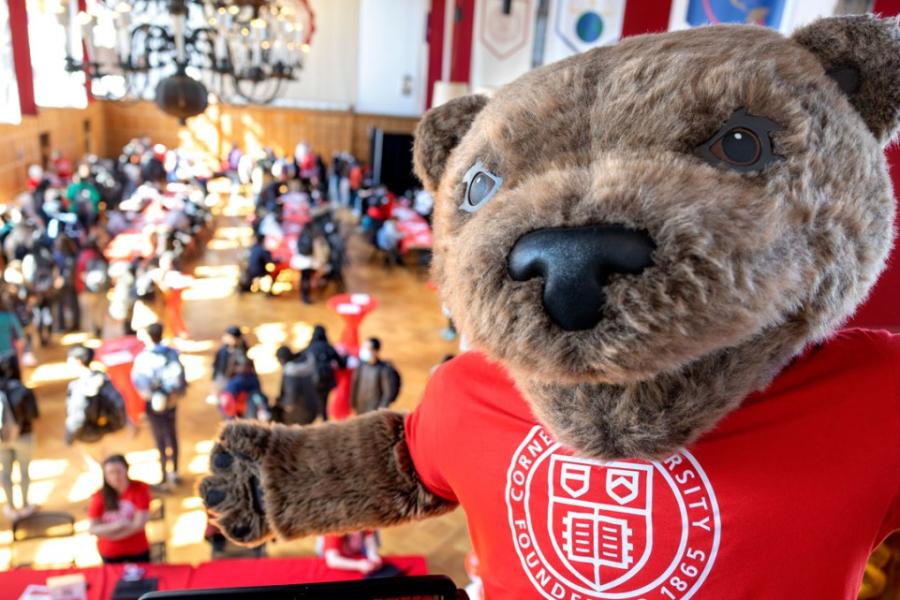
On Cornell’s eighth Giving Day, held March 16, 15,905 alumni, students, faculty, staff, parents and friends from more than 80 countries made gifts totaling a record-breaking $12,268,629.
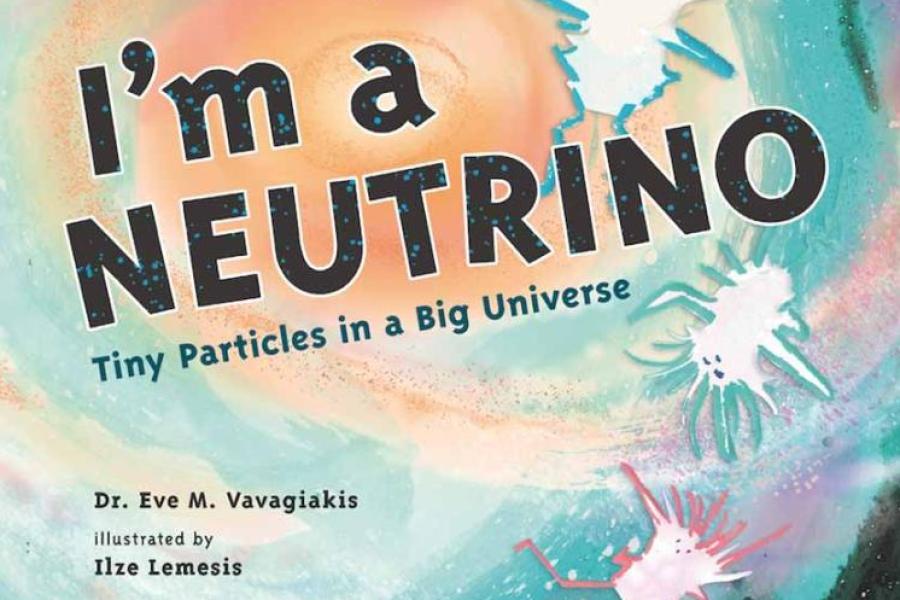
Physics researcher Eve Vavagiakis published “I’m a Neutrino: Tiny Particles in a Big Universe,” a picture book introducing children (and adults) to tiny particles that have an outsized effect on the universe.
The Biden administration has declared repression of the Rohingya population in Myanmar amounts to genocide, a formal declaration, says professor Oumar Ba, that carries significant rhetorical weight, in addition to potential legal consequences.
The Cornell Center for Social Sciences has announced its spring grants for faculty.
Sreang Hok/Cornell University
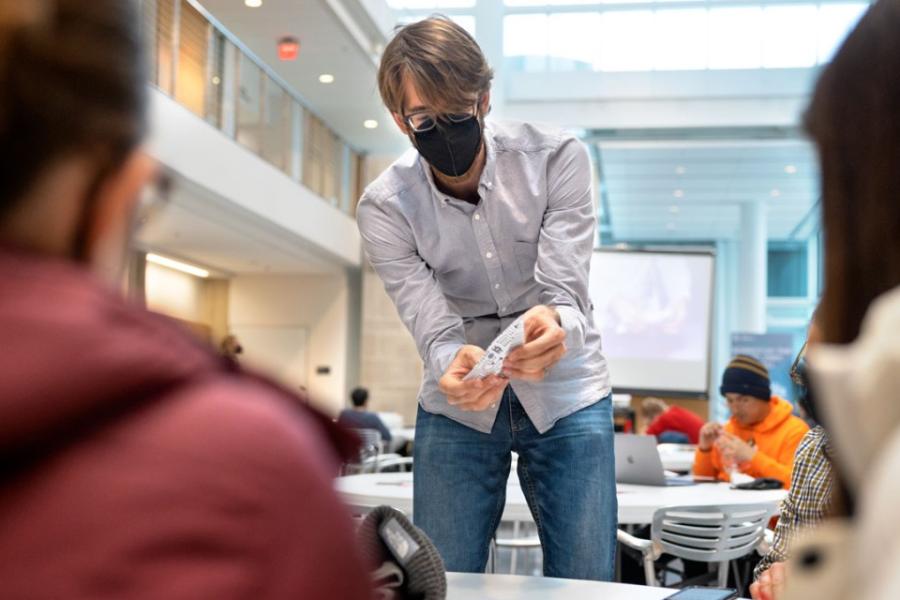
Michael Reynolds, M.S. ’17, Ph.D. ’21, postdoctoral associate in the Smith School of Chemical and Biomolecular Engineering in the College of Engineering, demonstrated an origami model of a nanobot.
From a nanoscale “brobot” flexing its muscles to a discussion of the artistry of scientific images, participants at a March 9 event got an up-close look at how quantum science and nanotechnology are shaping our lives.
Jeff Viano/Military Service Digital Photographic Files
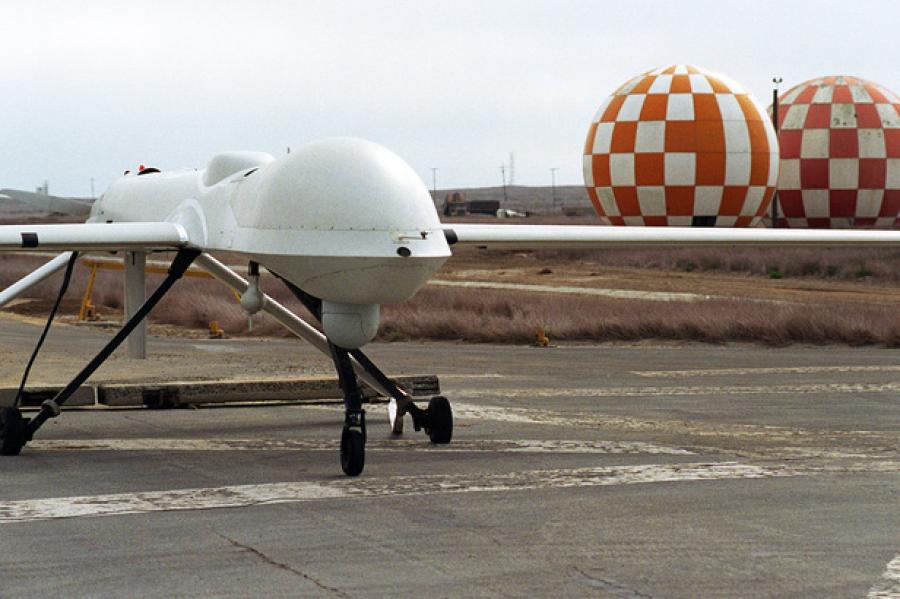
The US Navy's Predator Unmanned Aerial Vehicle (UAV) parked on a runway in preparation for a simulated Navy reconnaissance mission
Policymakers, legislators and military strategists must prepare for the consequences of other countries and actors such as the Islamic State using drones, according to panelists in a Cornell discussion March 14.
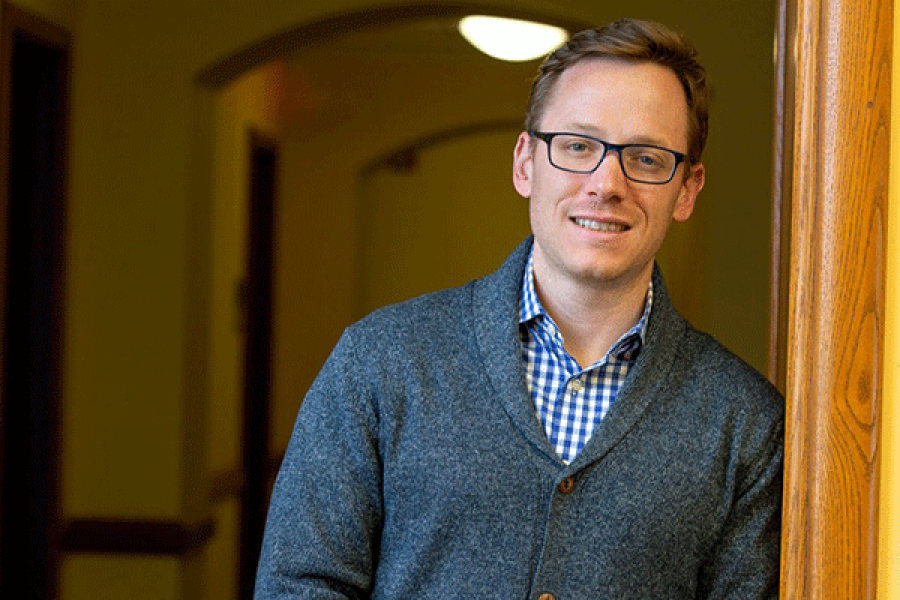
Jonathan Metzl, the Frederick B. Rentschler II Professor of Sociology and Psychiatry and the Director of the Center for Medicine, Health, and Society at Vanderbilt University is the speaker.
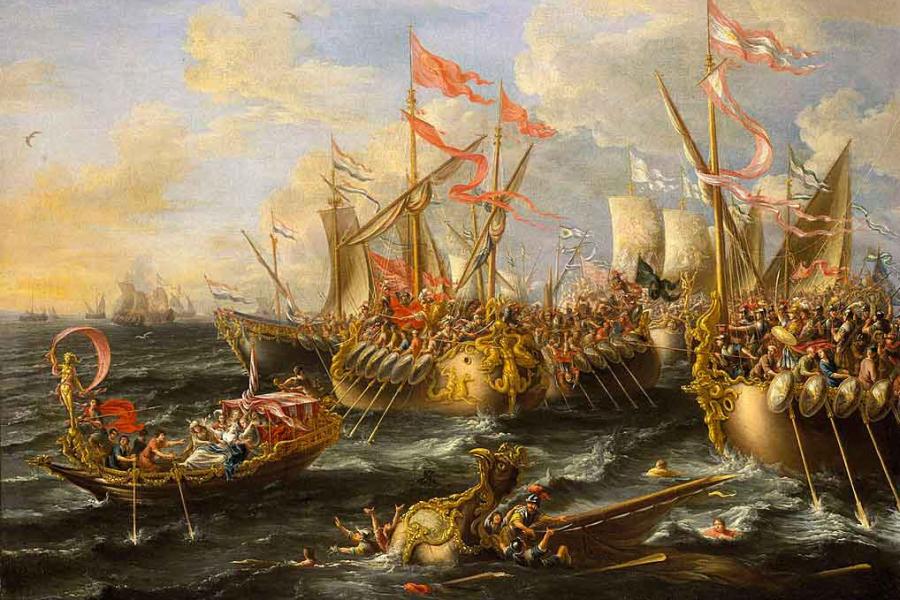
In his new book, “The War That Made the Roman Empire: Antony, Cleopatra, and Octavian at Actium,” historian Barry Strauss offers a more accurate, nuanced narrative of the conflict and the fascinating personalities at its core.
SCDBob/Creative Commons license 2.5
RQ-1 Predator of Italian Air Force
As the Biden administration sends Switchblade drones for Ukraine's defense against Russia, Cornell government scholar Paul Lushenko comments on the use of drones in this and future conflicts.
Provided
Henley Schulz ‘22 spent the summer in Washington D.C., working in the office of U.S. Sen. Rob Portman of Ohio.
More than $500,000 will be available to help students pay for housing, food, travel costs and other expenses during an unpaid or minimally-paid internship or career opportunity
“Access and the 21st Century University,” March 23, will focus on the meaning of "access" to liberal arts education.
Jack Madden/Provided
With a color catalog based on Earth’s microbes, astronomers can begin to decipher the tint of life on distant, frozen exoplanets, as depicted in this artistic rendering by Jack Madden Ph.D. ’20.
As ground-based and space telescopes improve, astronomers need a color-coded guide to compare Earth’s biological microbes to cold, distant exoplanets to grasp their composition.
Ehimetalor Akhere Unuabona/Unsplash
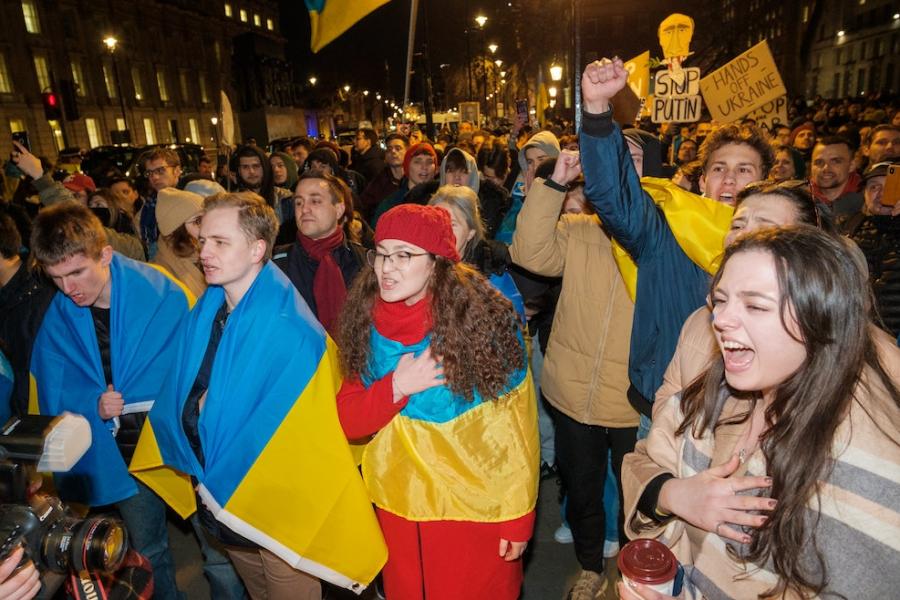
Ukrainians In London gather outside Downing street in February.
Ukraine’s President Vladimir Zelensky spoke to the U.S. Congress on March 16 in a direct appeal for help as Russia continues its bombardment. The war might result in new forms of international cooperation, says Cristina Florea, assistant professor of history.