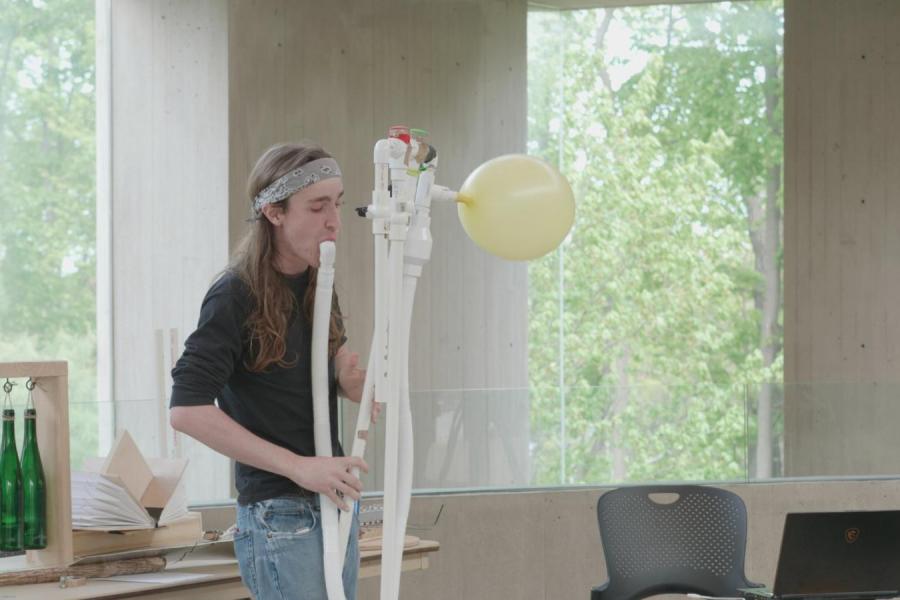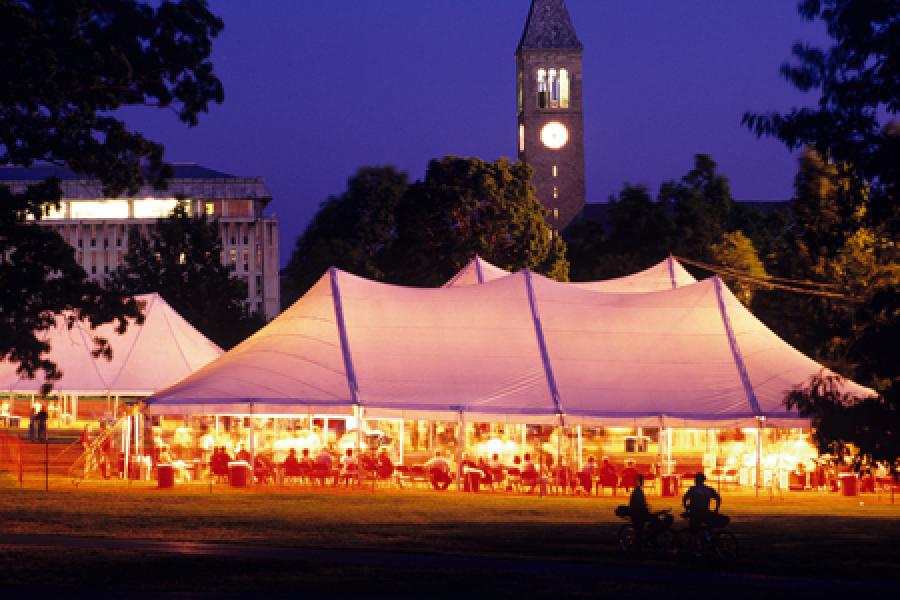
Hosted by the Cornell ReSounds Project, the FutureSounds Festival featured guest builders and performers as well as newly designed instruments and compositions by Cornell students.
Provided
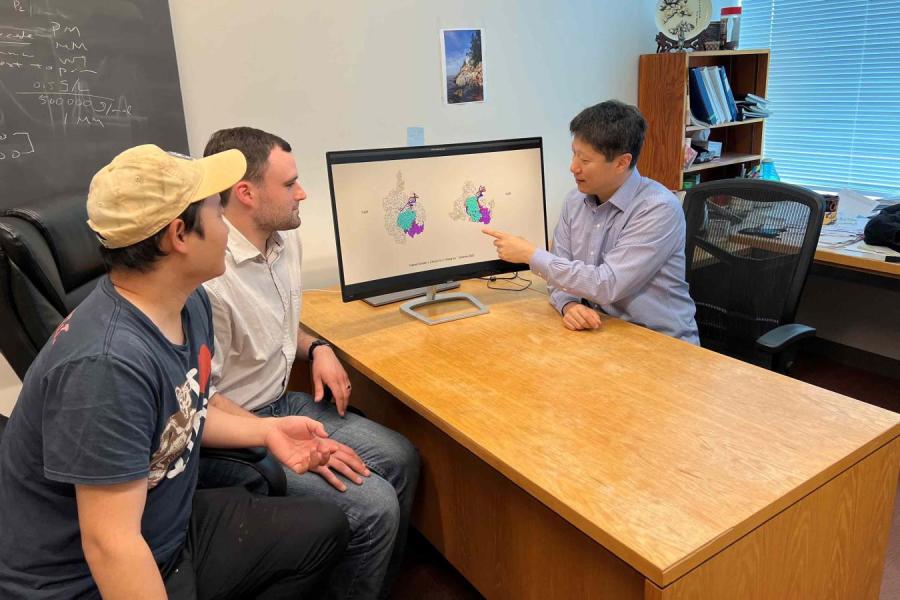
From left to right: Chunyi Hu, Gabriel Schuler and Ailong Ke.
“Transposons are specialized genetic hitchhikers, integrating into and splicing out of our genomes all the time...by defining these enzymes in high resolution, we can tap into their powers.”
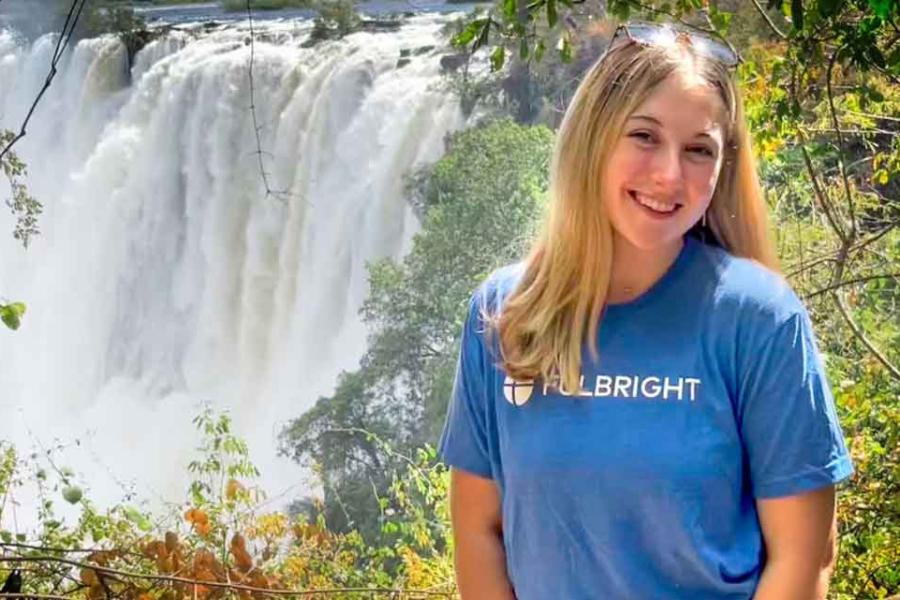
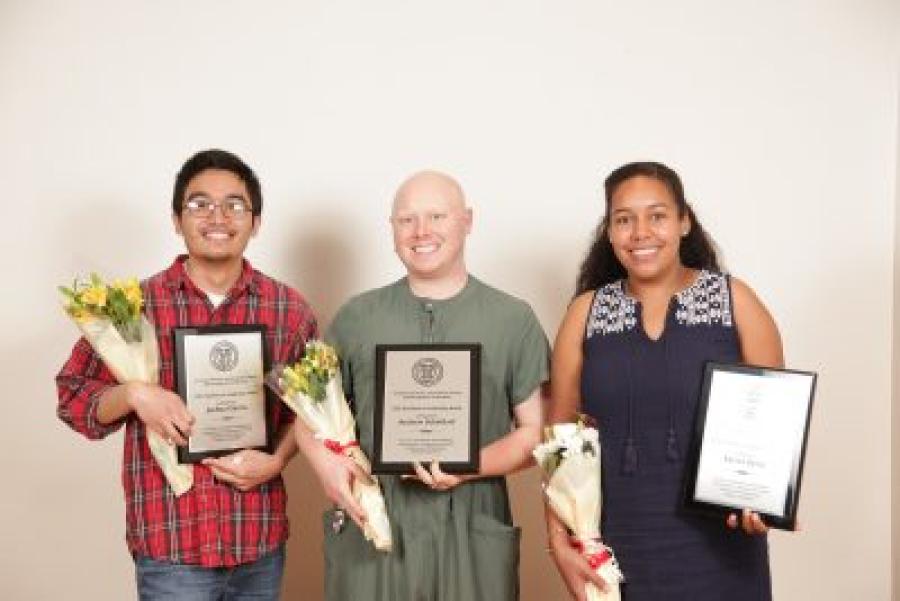
Seven 2021 graduates and recent Cornell alumni accepted Fulbright U.S. Student awards to research, study or teach English during the 2021-22 academic year, 15 were chosen for 2022-23.
Provided
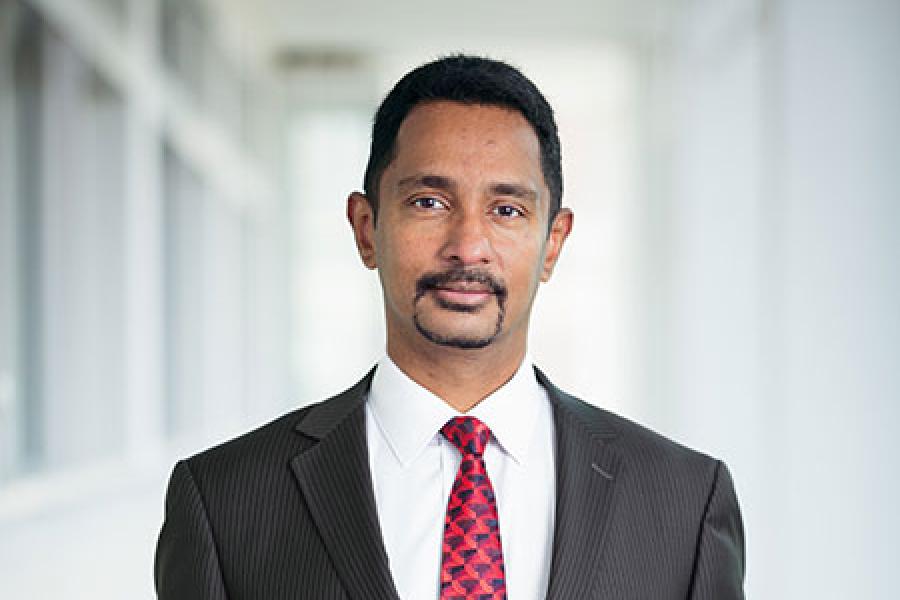
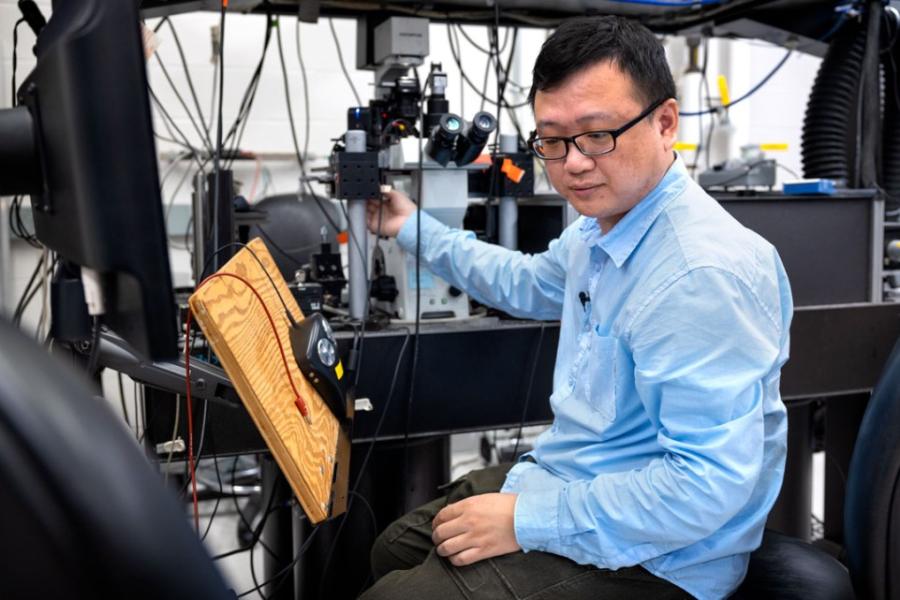
Najva Akbari, an optics expert in the lab of Chris Xu in the College of Engineering.
Their work could have future implications for human health, setting a path for research into understanding brain function.
Noël Heaney/Cornell University
Doctoral student Wei Wang of the Itai Cohen Group helped design an artificial cilial system using platinum-based components that can control the movement of fluids at the microscale.
The technology could enable low-cost, portable diagnostic devices for testing blood samples, manipulating cells or assisting in microfabrication processes.
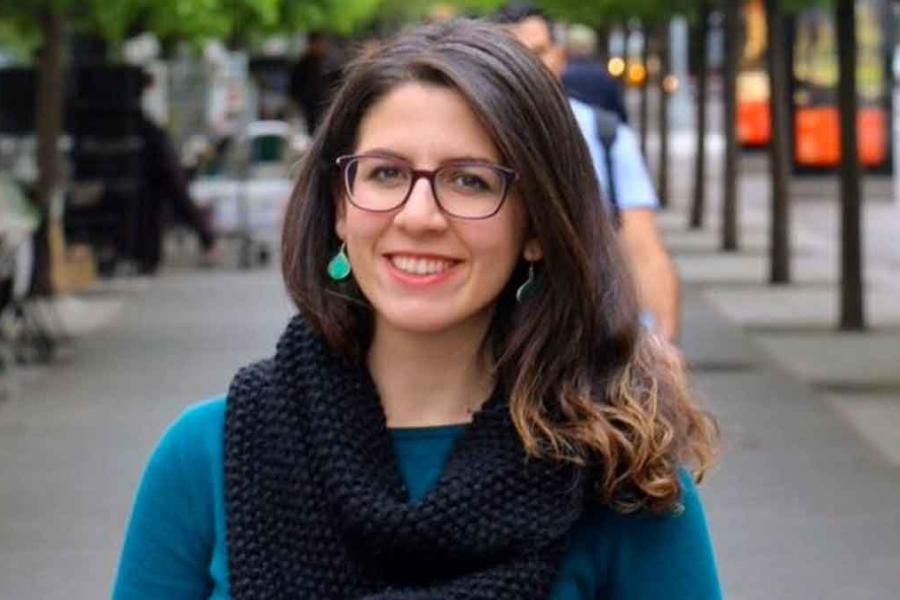
Tessy Schlosser is a doctoral candidate in government from Mexico City, Mexico.
Owen Yancher, Creative Commons license 4.0
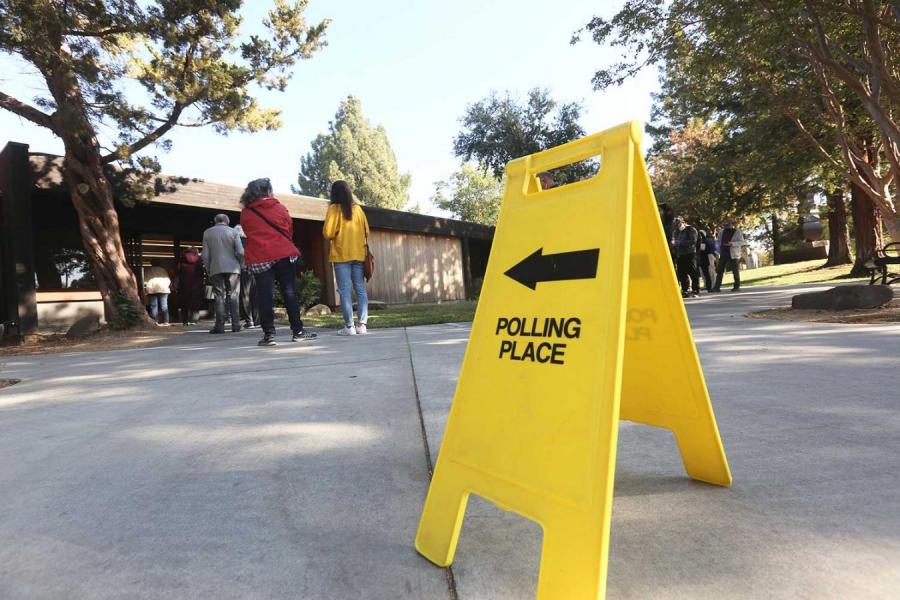
Voters line up outside a Voter Assistance Center in Davis, California to cast their votes early in the 2020 General Election.
A new survey of American voters finds glimmers of hope that Democrats and Republicans can agree on steps needed to shore up an increasingly shaky democracy.
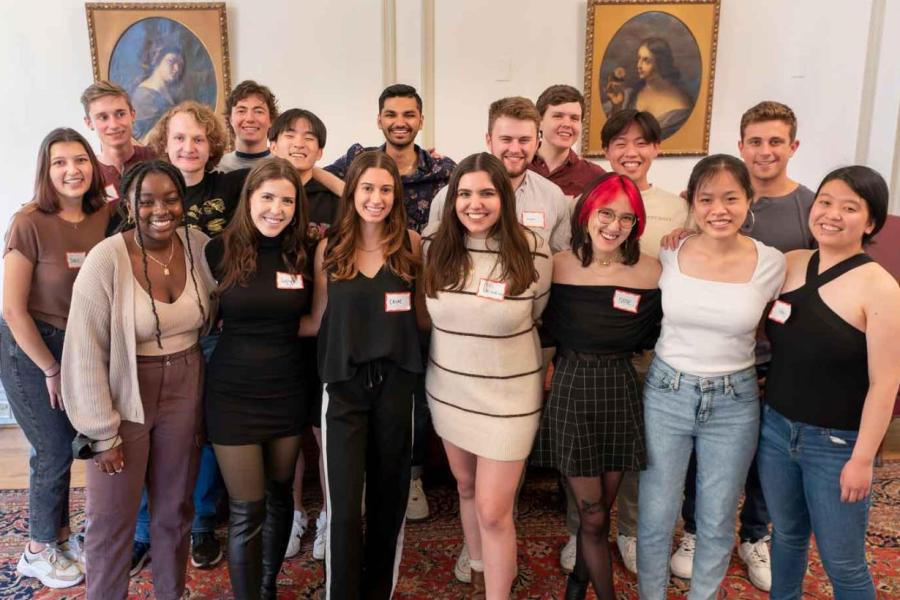
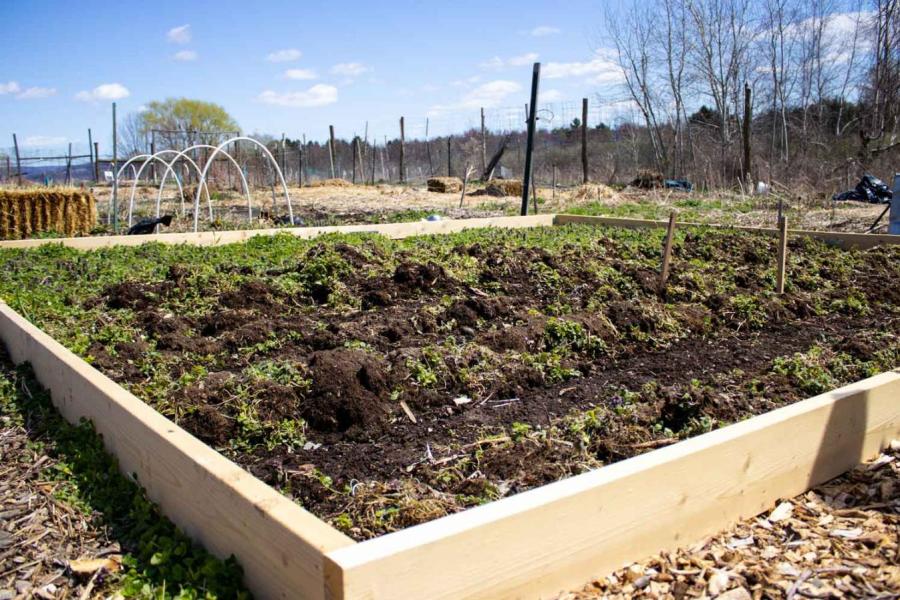
Students spent the semester working with local non-profits addressing issues from migrant family justice to food insecurity to sustainable agriculture.
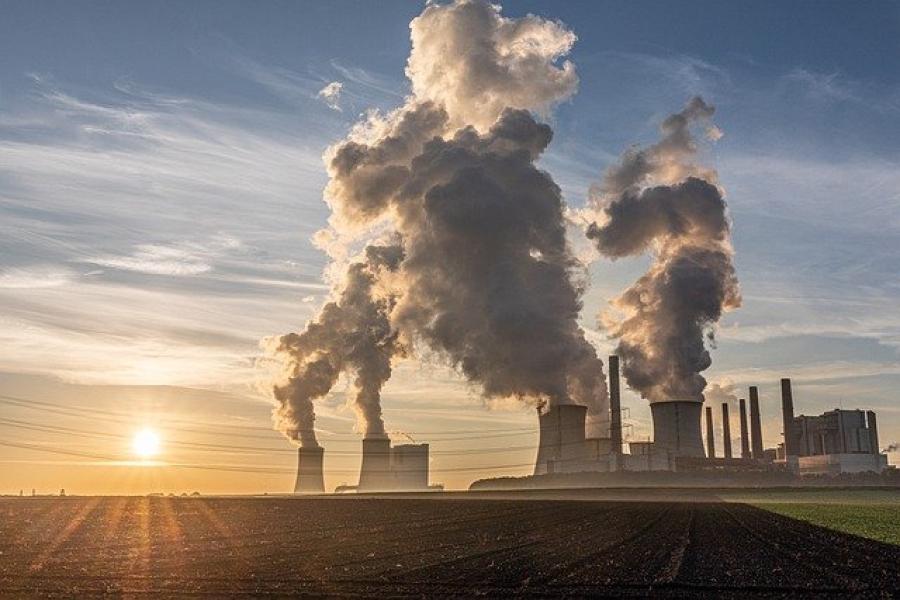
Image by catazul from Pixabay
Coal-fired power station Neurath in Grevenbroich, North Rhine-Westphalia, Germany