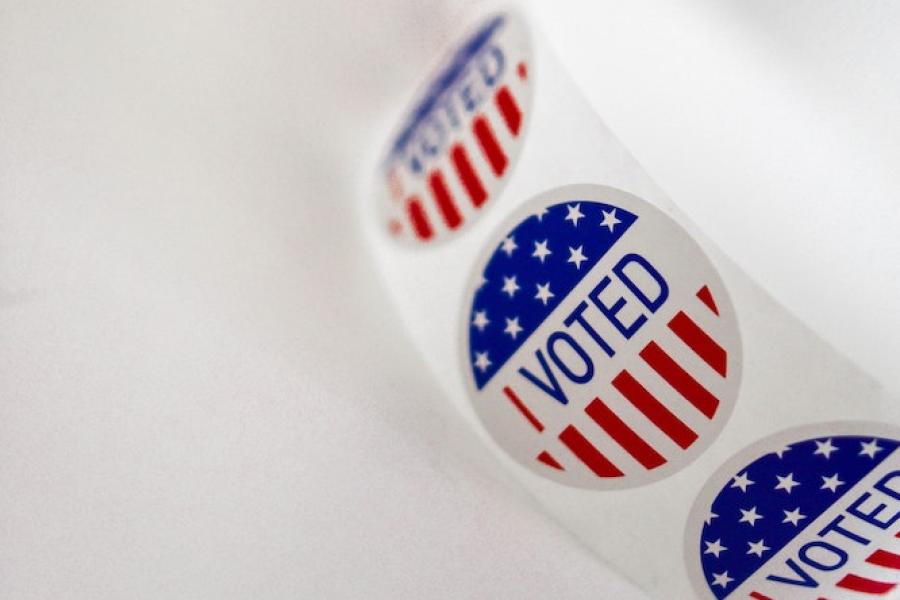
Concerns about violence are growing as Election Day in the U.S. nears, says scholar Mabel Berezin: “The expectation of violence at the polls this year signals how much has changed in the American electoral landscape since 2018."
Chris Kitchen
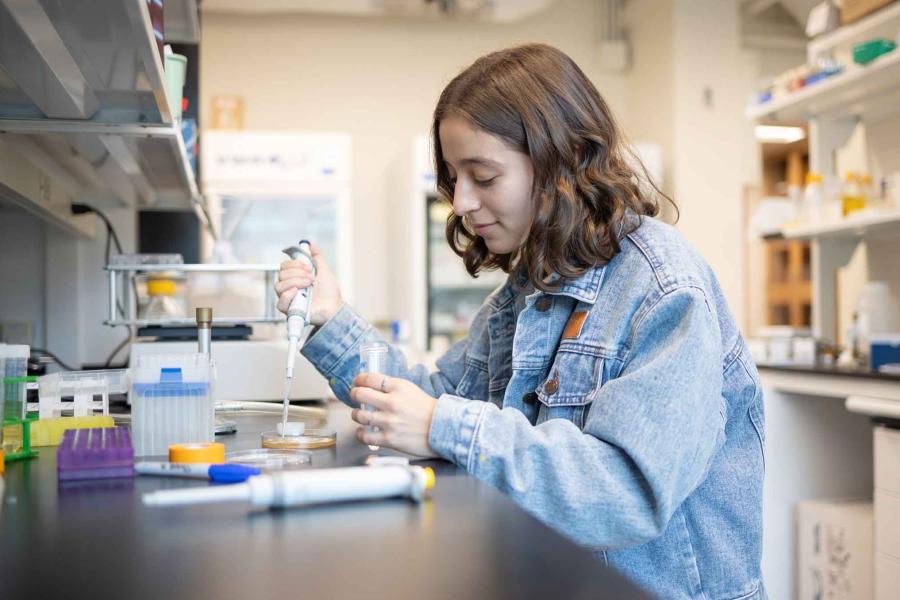
Margaret Keymakh in the Crickard lab.
A study by Margaret Keymakh '23 and others in her lab was just published in PLOS Genetics.
Noël Heaney/Cornell University
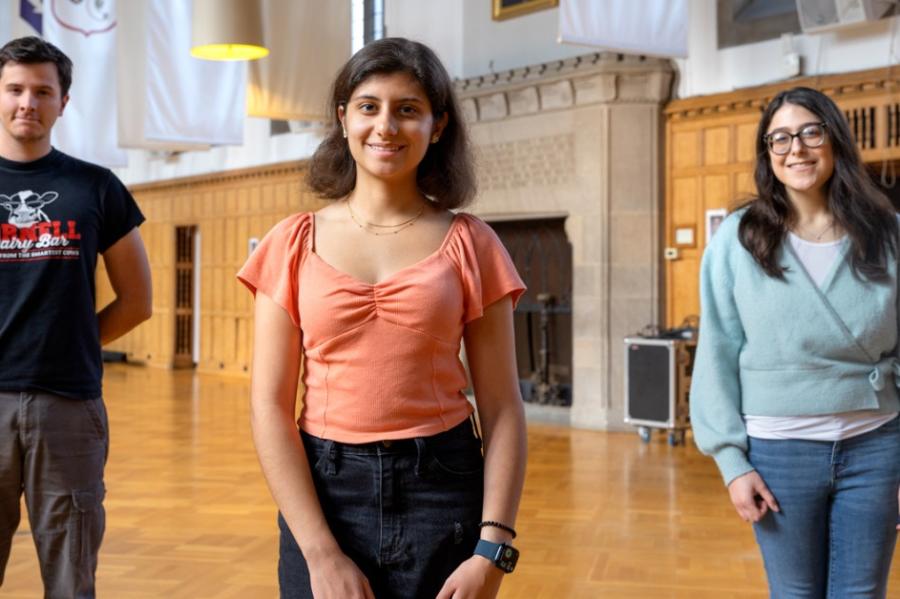
Cornell Votes members Dana Karami ’23, center, vice president of operations; Patrick Mehler ’23, founding member and president; and Lauren Sherman ’24, incoming vice president of external operations, gather in Willard Straight Hall.
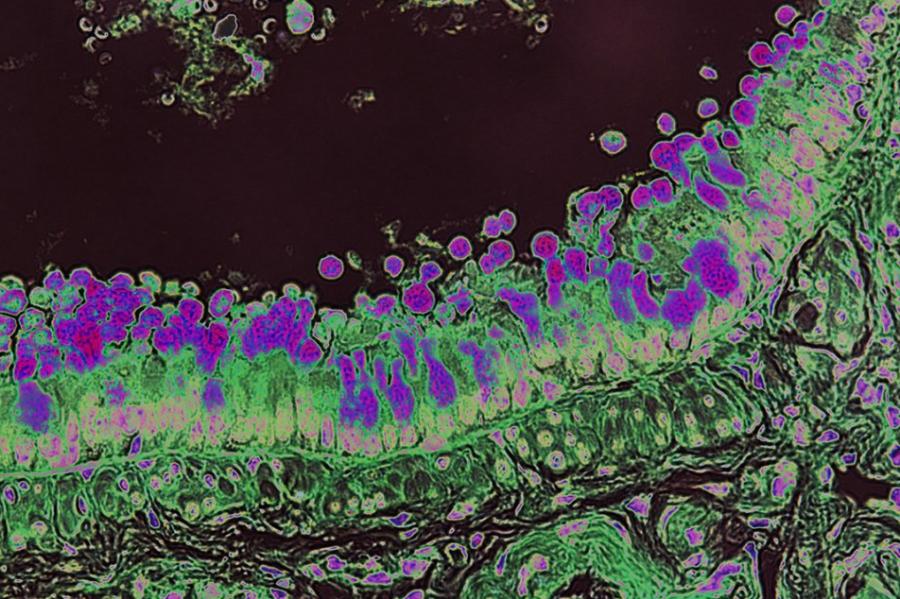
Inulin, a type of dietary fiber commonly used in health supplements and known to have certain anti-inflammatory properties, can also promote an allergy-related type of inflammation in the lung and gut, and other parts of the body, according to a preclinical study from Cornell researchers.
Cabinet of Ministers of Ukraine/Creative Commons Attribution 4.0 International license
Benjamin Netanyahu, January 2018
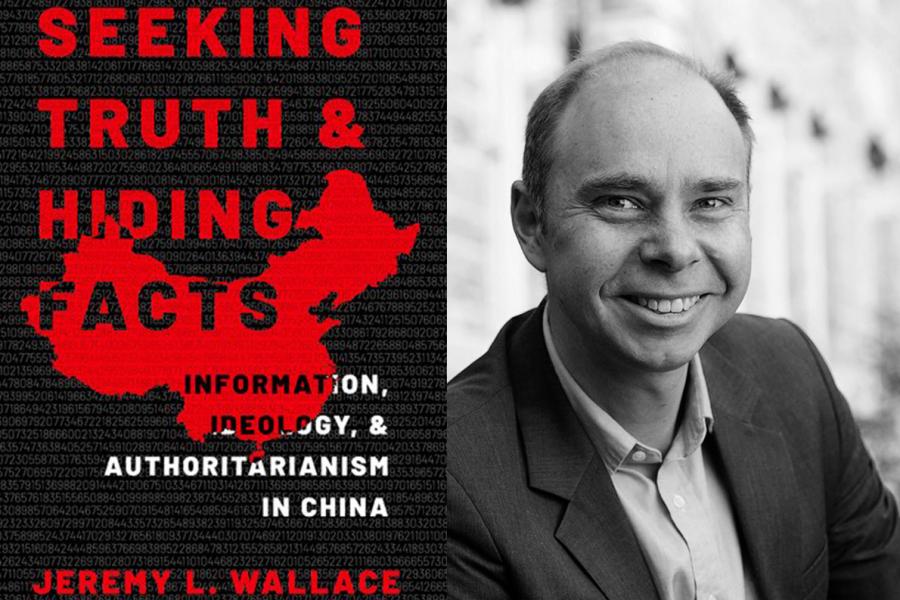
Jeremy Lee Wallace explains how a few numbers came to define Chinese politics “until they did not count what mattered and what they counted did not measure up,” and the “stunning about-face” led by Xi Jinping within the Chinese Communist Party.
Ryan Young/Cornell University
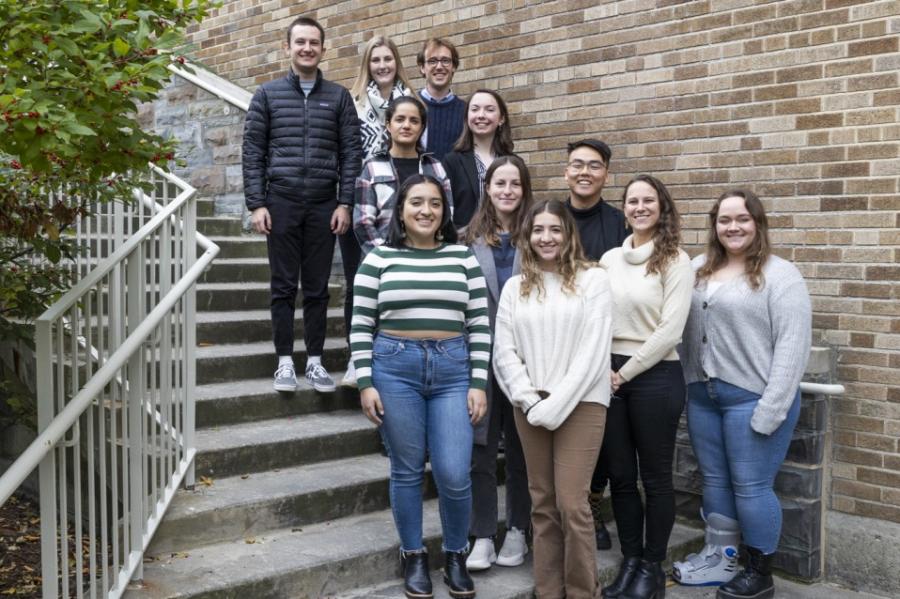
The 11 Cornell students who will be helping delegations at COP27 in Egypt.
Eleven Cornell students, including two from Arts & Sciences, will help delegations from specialized agencies and small countries gain a stronger voice at the United Nations’ COP27 conference.
New research by Cornell behavioral economists reveals that people who would benefit the most from gentle “nudges” to pay their fines – those who are least responsive to tickets in the first place – respond least to those reminders.
When political parties stoke partisan conflicts – often by contesting formal state institutions, like systems for managing elections – actual democratic capacity may take a hit as public opinion polarizes.