New research has shown that ultrasmall Cornell Prime Dots, or C’Dots, which are among the nanocarriers for therapeutics once thought to be viable only by injection, have the potential to be administered orally.
Optimists and ‘doomers’ are fighting over the direction of AI research – and those who want speed may have won this round, Sarah Kreps writes in an op-ed in The Guardian.
Provided
Anthropology Collections curator Frederic Gleach held an open house during the Northeast Conference on Andean and Amazonian Archaeology and Ethnohistory that highlighted materials from the Andes, including the items pictured here: Andean textiles and ceramics, with a Sican gold mask
Volunteers saved 10 desktop computers, seven laptops, 14 monitors, countless cords and chargers, and one electronic cat toy from becoming e-waste at the first Technology Repair Fair.
Strogatz’s work, along with that of communications professor Neil Lewis Jr. (CALS), was selected for the awards from among 500 entries published or aired in 2023.
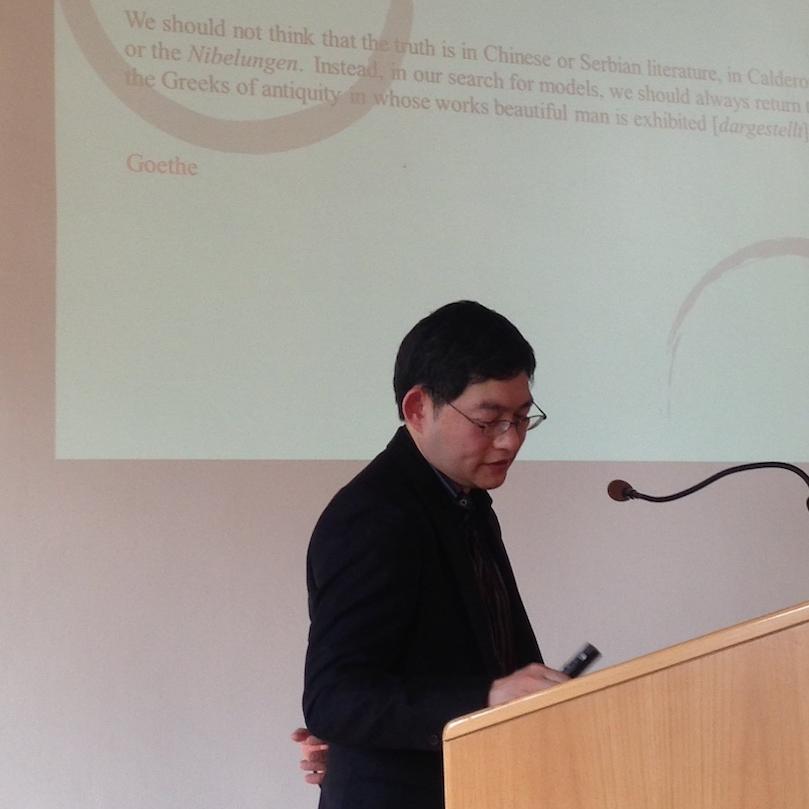
Professor Ross Brann discussed how racist depictions of the behavior and appearance of Jews and Muslims encouraged ancient peoples to view them as others in a talk held Nov. 16.
Differences of opinion about OpenAI’s “benefit of humanity” vision became more evident over recent months, says Sarah Kreps, professor of government and director of the Tech Policy Institute.