… were expanded to include all students in the class of 2023 (except biology majors, who have a different advising … a junior I’m using all of those resources.” Peter Terrazas ’23 came to Cornell from Tucson, Ariz., knowing that he …
Javier AgredoLinguistics & ClassicsMiami, FLWhat is your main extracurricular activity--why is it important to you?My extracurricular activities and priorities have changed over the years but I would say any club I've been in that supports social awareness or social justice. It's always important to use your voice to help spark change in the world.
… members were recognized for earning academic degrees at the 23rd annual Staff Graduate Reception, May 20 in the Hall of … members were recognized for earning academic degrees at the 23rd annual Staff Graduate Reception, May 20 in the Hall of …
Samuel Barnett ’19 has been named one of 11 junior fellows by the Carnegie Endowment for International Peace.Barnett, a College Scholar whose studies focus on national security and geopolitics, will spend his fellowship year working with Carnegie’s executive office on issues of U.S. foreign policy and diplomacy.
The projects are part of the Milstein “Collab” class, which combines academic modules (on journalism, citizen science, data collection, privacy issues and so on) with co-curricular exploration.
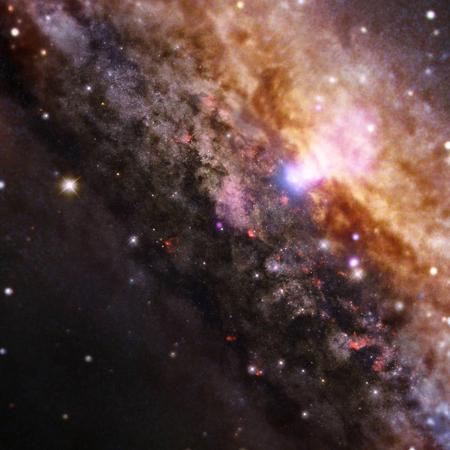
As humans, we have an insatiable desire to understand the cosmos and our place in it. How did the universe begin and how did it evolve? What is the nature of dark matter and dark energy? How will it all end? “These are the most fundamental questions one can ask,” says Steve Kang Hoon Choi, Cornell Presidential Postdoctoral Fellow. “If we believe greater knowledge betters our lives, then this is what drives us to study the cosmos.”
Is the fabric of our civilization being torn by identity politics, nationalism and populism? Are Americans ignoring character and competence in an “us vs. them” political landscape? Political analyst Jonah Goldberg examined divisiveness in U.S. politics and discuss possible solutions in his talk, “Suicide of the West” Thursday, Nov. 29, at 5:15 p.m. in Klarman Hall’s Rhodes-Rawlings Auditorium. His lecture was free and open to the public.