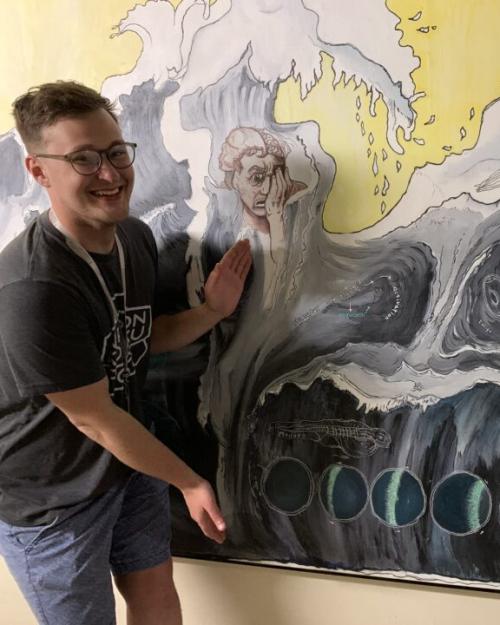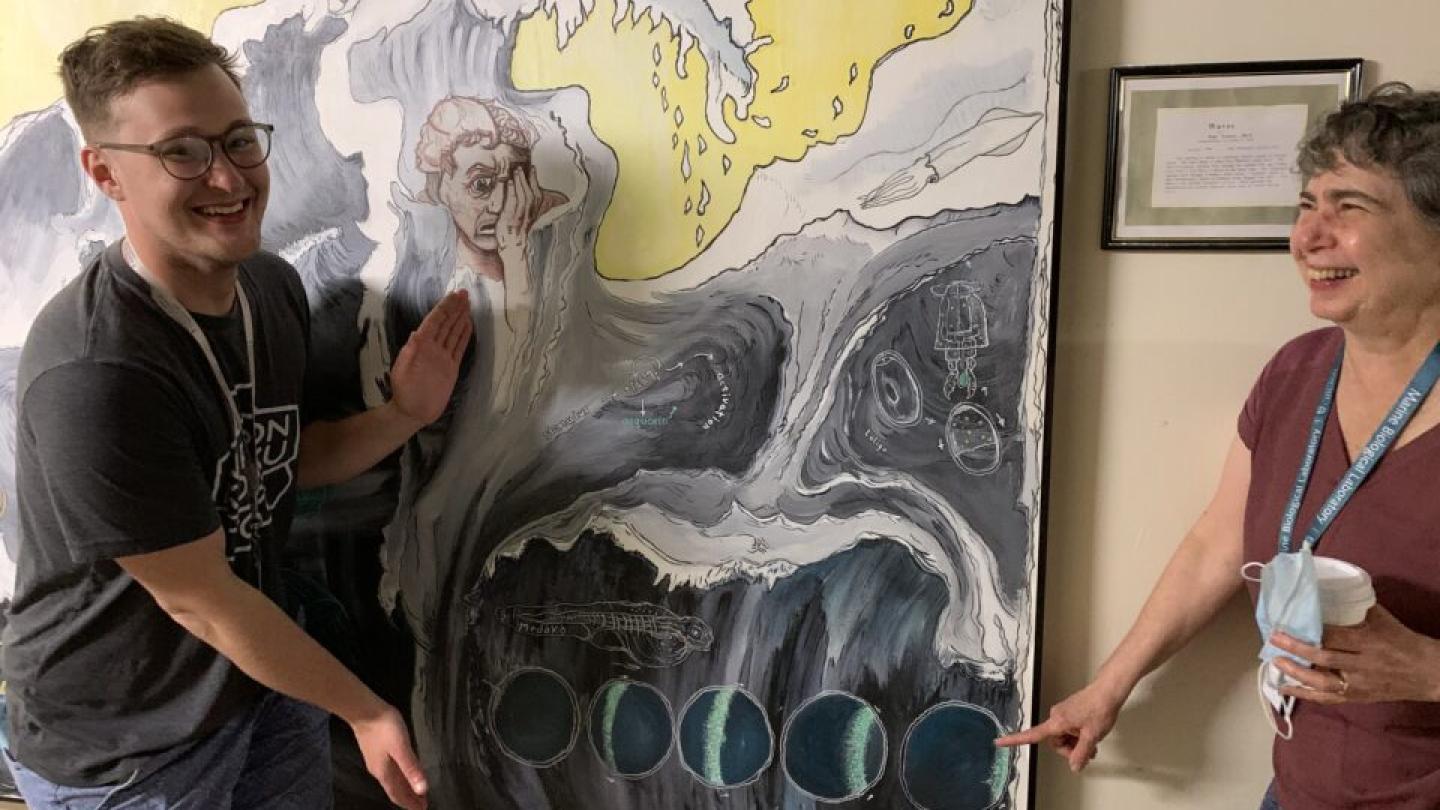
As a graduate student, having a positive relationship with your mentor is the linchpin of your success, but how do you build these crucial ties and get the mentoring you need?
This academic year, we’re interviewing faculty-graduate student pairs about what makes their mentoring relationships work. From practical tips to broader perspectives, these Q&As will equip you with ideas and tactics for improving your own mentoring relationships.
This week, we’re speaking with Jonathon Thomalla, a Ph.D. candidate in biochemistry, molecular and cell biology, and Mariana Wolfner, distinguished professor of molecular biology and genetics and Stephen H. Weiss Presidential Fellow in Molecular Biology and Genetics.
Read the full Q&A on the Cornell University Graduate School website.
More News from A&S
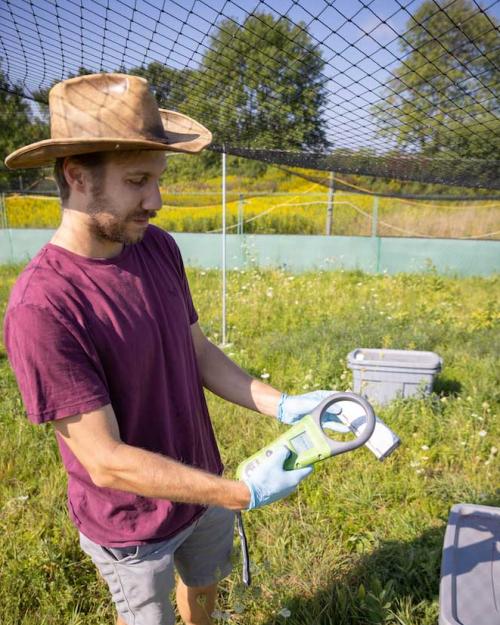
Cornell biologist named Blavatnik Award finalist for work with rewilded mice
Neurobiology and behavior
Cornell mathematicians win grants to ensure AI safety, research integrity
Mathematics
Jazz master Chucho Valdés birthday celebration opens concert series Oct. 23
Music