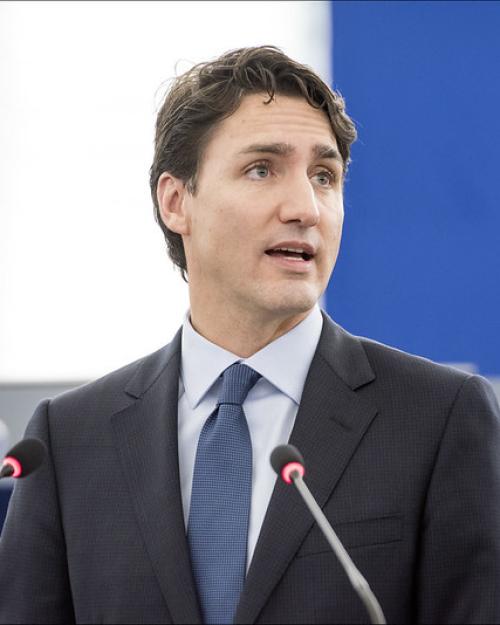
Canadian Prime Minister Justin Trudeau announced Monday that he intends to step down as the country’s prime minister, leaving office once a new ruling party leader is chosen. Trudeau also asked the Governor General to “prorogue” Parliament, which ends the current legislative session and all active legislation.
Peter John Loewen, the Harold Tanner Dean of Arts and Sciences and professor of government, says there are three major uncertainties right now.
Loewen says: “First, how a new Liberal leader will be selected. The party’s internal rules require several months for a campaign, culminating in a vote open to all ‘supporters’ of the party. (This is close to an open primary, in American parlance). Such a process would run past the March return of Parliament, suggesting Trudeau would still get to be the PM introducing a new speech and budget.
“Second, it is uncertain that the Liberal caucus will agree to Trudeau’s wish to stay on until a new leader is chosen. They may wish to choose an interim leader.
“Third, whether the three largest opposition parties will give a new leader a chance to govern as PM. They may instead defeat a new leader at their earliest chance, forcing elections.”
For interviews contact Adam Allington, cell (231) 620-7180, adam.allington@Cornell.edu.