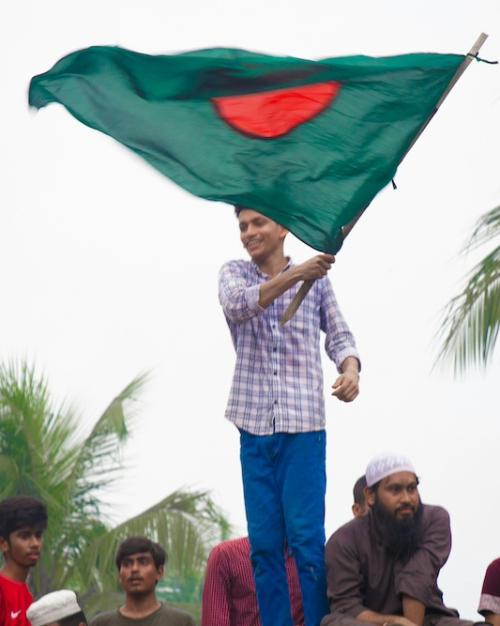
In Bangladesh, Gen-Z student-led protests recently forced the downfall of Prime Minister Sheikh Hasina. The swearing in of Nobel peace laureate Muhammad Yunus earlier this month as interim leader has brought enough hope that many in Bangladesh are calling it a “second liberation,” half a century after the country won independence, writes Sabrina Karim, associate professor of government, in an op-ed in Time. She has done research on the Bangladesh military and the Rohingya Refugee Crisis.
“To ensure that Bangladesh 2.0 is successful, key reforms must not wait for a democratically elected government,” Karim writes in the piece. “Rebuilding key institutions now will help guardrail against democratic backsliding under any future government.”
More News from A&S

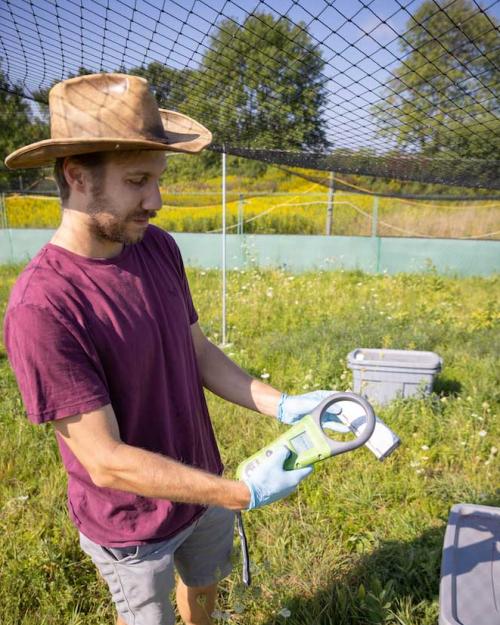
Cornell biologist named Blavatnik Award finalist for work with rewilded mice
Neurobiology and behavior
A&S Communications

Cornell mathematicians win grants to ensure AI safety, research integrity
Mathematics
Cornell Chronicle

Jazz master Chucho Valdés birthday celebration opens concert series Oct. 23
Music
A&S Communications